Why Strength Training Matters After 50
Strength training isn’t just about lifting heavy weights or building muscle. For adults over 50, it can be a practical way to maintain the strength needed for everyday life.
As we age, muscle mass and strength naturally tend to decline. Regular strength training can help maintain or improve muscle strength, mobility, and physical function. National Institute on Aging
For someone living in Cambridge, Ontario, this can mean making everyday activities such as climbing stairs, getting out of a chair, carrying groceries, or walking around the neighbourhood easier and more manageable.
4 Reasons to Start Strength Training After 50
1. Maintain Muscle and Strength
Strength naturally changes with age, but regular resistance exercise can help slow the decline and build strength.
Exercises such as:
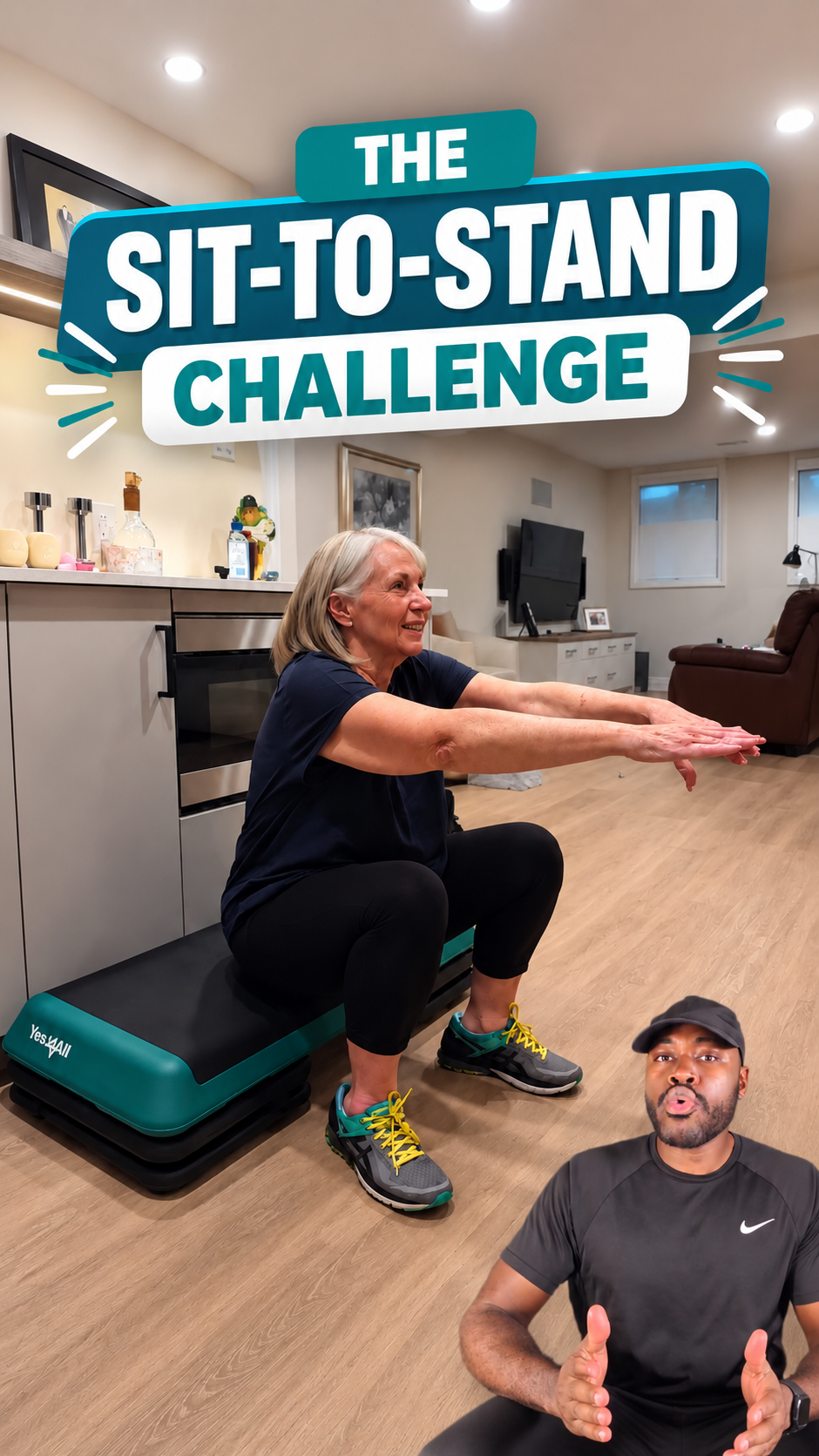
- Sit-to-stands
- Squats
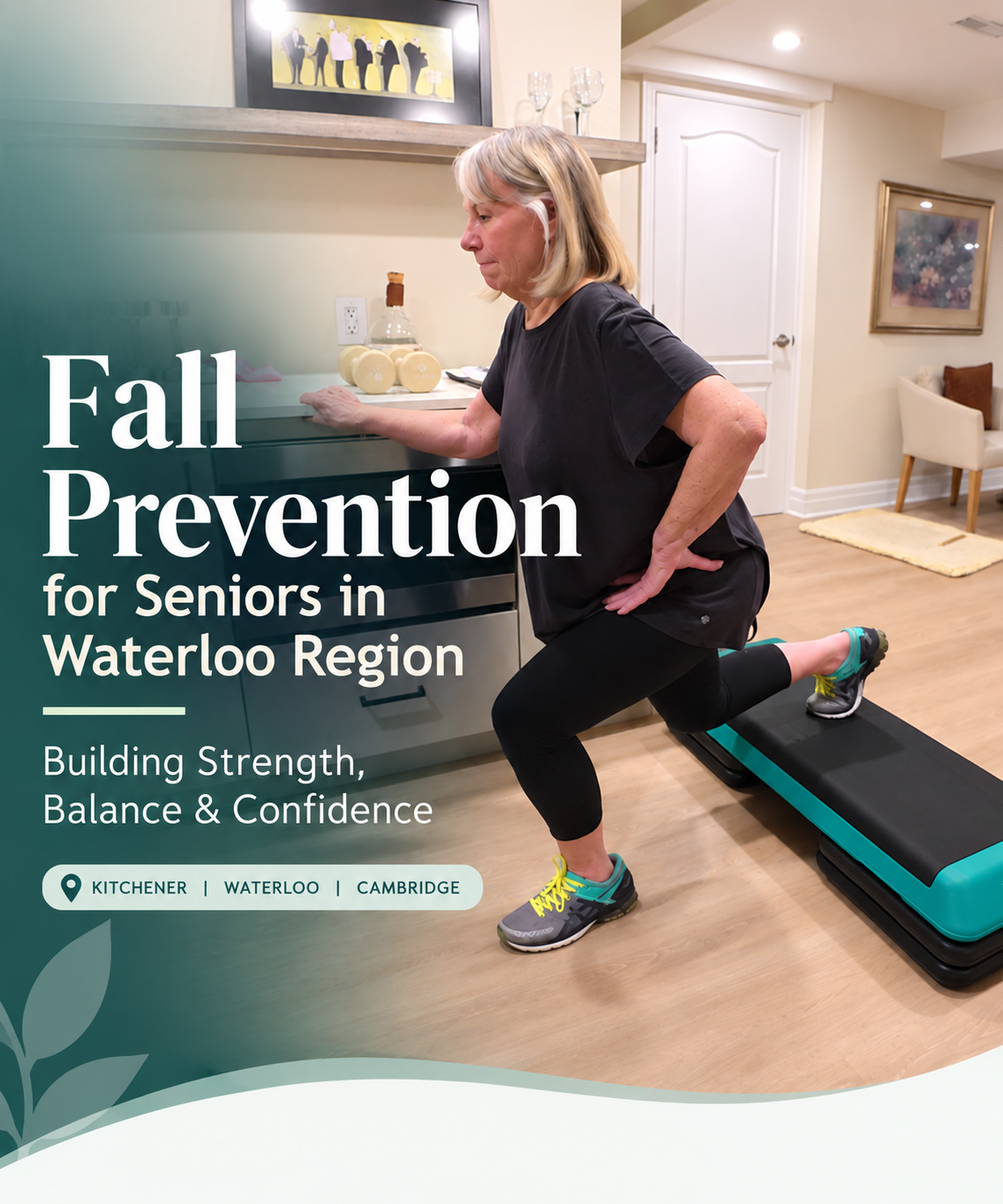
- Step-ups
- Resistance-band exercises
- Dumbbell exercises
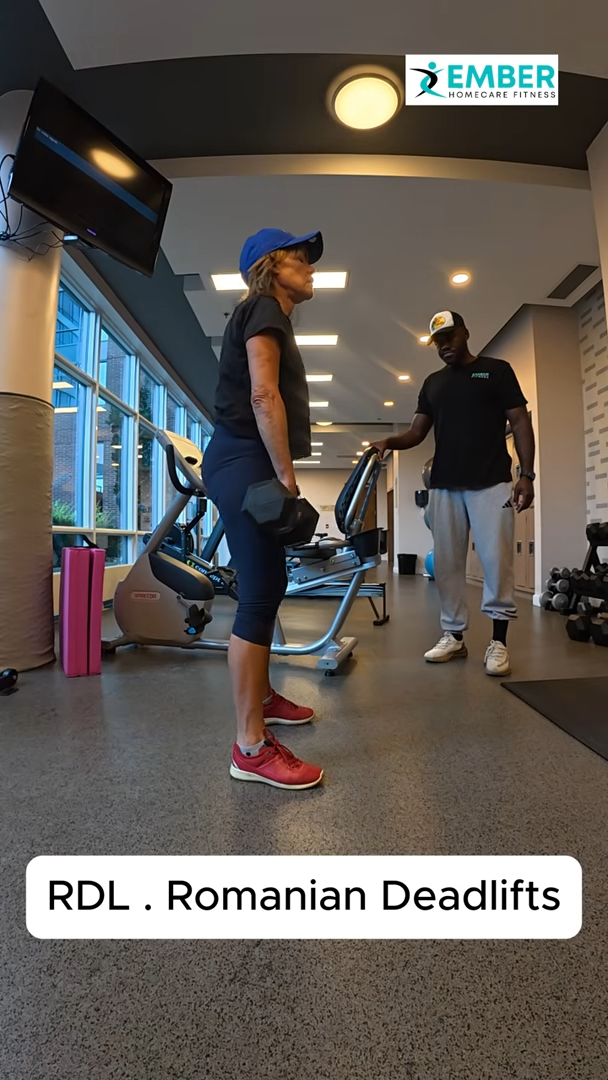
- Hip-hinge movements
can be adapted to different fitness levels.
2. Support Balance and Fall Prevention
Strength and balance work together. Stronger legs and hips can help support better movement and stability.
The CDC recommends that older adults include muscle-strengthening activities along with balance activities as part of their weekly physical activity. CDC
Strength training isn’t a guarantee against falls, but it can be an important part of a broader fall prevention exercise program.
3. Make Everyday Activities Easier
Functional strength training focuses on movements that you actually use in daily life.
For example:
Sit-to-stand → getting up from a chair
Step-ups → climbing stairs
Rows → pulling and carrying
Squats → lowering and standing
Hip hinges → picking objects up safely
The goal isn’t simply to become stronger in the gym, it’s to help you remain capable and independent in everyday activities. National Institute on Aging
4. Stay Active and Independent
Being physically active can support physical function and help older adults maintain independence as they age. National Institute on Aging
You don’t need to start with complicated workouts. A properly designed program can begin with simple movements and gradually become more challenging as strength and confidence improve.
What Should a Beginner Over 50 Do?
A good starting program might include:
| Exercise | Main focus |
|---|---|
| Sit-to-stand | Legs & functional strength |
| Wall push-up | Chest & upper body |
| Resistance-band row | Back & posture |
| Step-up | Legs & balance |
| Glute bridge | Hips & core |
| Supported balance exercise | Stability |
The amount of resistance and number of repetitions should be adjusted to the individual’s ability and experience.
If you’ve been inactive, have a medical condition, or have concerns about starting exercise, speak with your healthcare professional about what type and intensity of activity is appropriate for you. CDC
Strength Training in Cambridge and the GTA
You don’t necessarily need to travel to a busy gym to begin exercising.
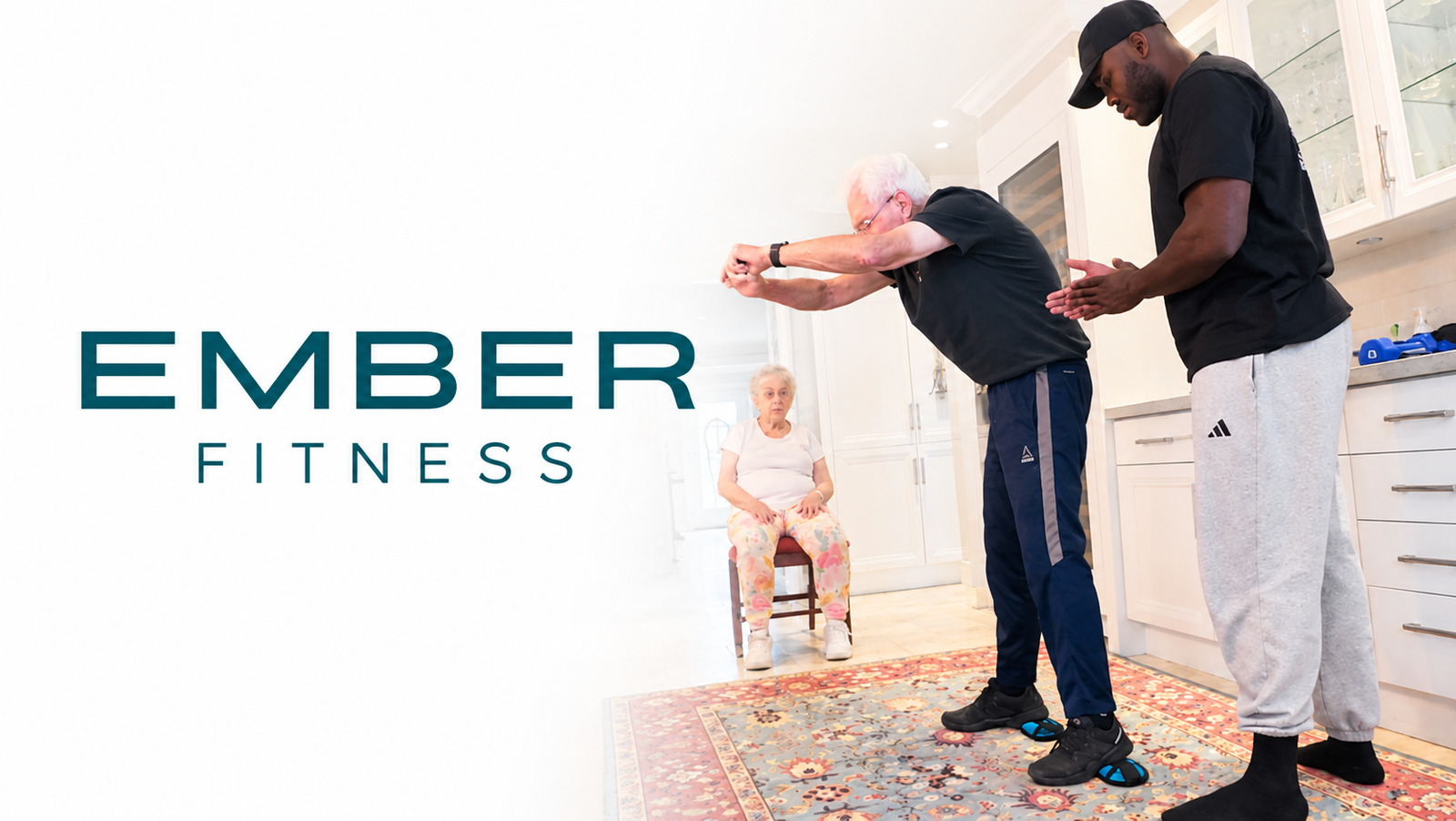
Ember Fitness provides in-home personal training for adults and seniors, bringing structured strength, balance, and mobility training directly to the client’s home.
Whether you’re 50, 60, 70, or beyond, it’s never too late to start working on your strength and mobility.
Start with movements that match your current ability, progress gradually, and focus on staying strong for the life you want to keep living.