Why Strength Matters After Knee Replacement
Knee replacement surgery can help improve pain and mobility for people with significant knee problems.
However, recovering from surgery involves more than healing the joint. Many older adults also need to rebuild the strength, coordination, and confidence required for everyday activities.
The muscles around the hips and knees play an important role in walking, standing, and climbing stairs.
Following the surgeon’s instructions and prescribed rehabilitation plan is essential. Once appropriate, additional strength training can help seniors continue working toward better functional movement.
4 Areas to Focus on During Recovery
1. Rebuilding Leg Strength
After surgery, the muscles around the knee may become weaker due to reduced activity.
Appropriate strengthening exercises can help rebuild the muscles needed for everyday movement.
Depending on the stage of recovery and professional guidance, exercises may include:
Seated knee extensions
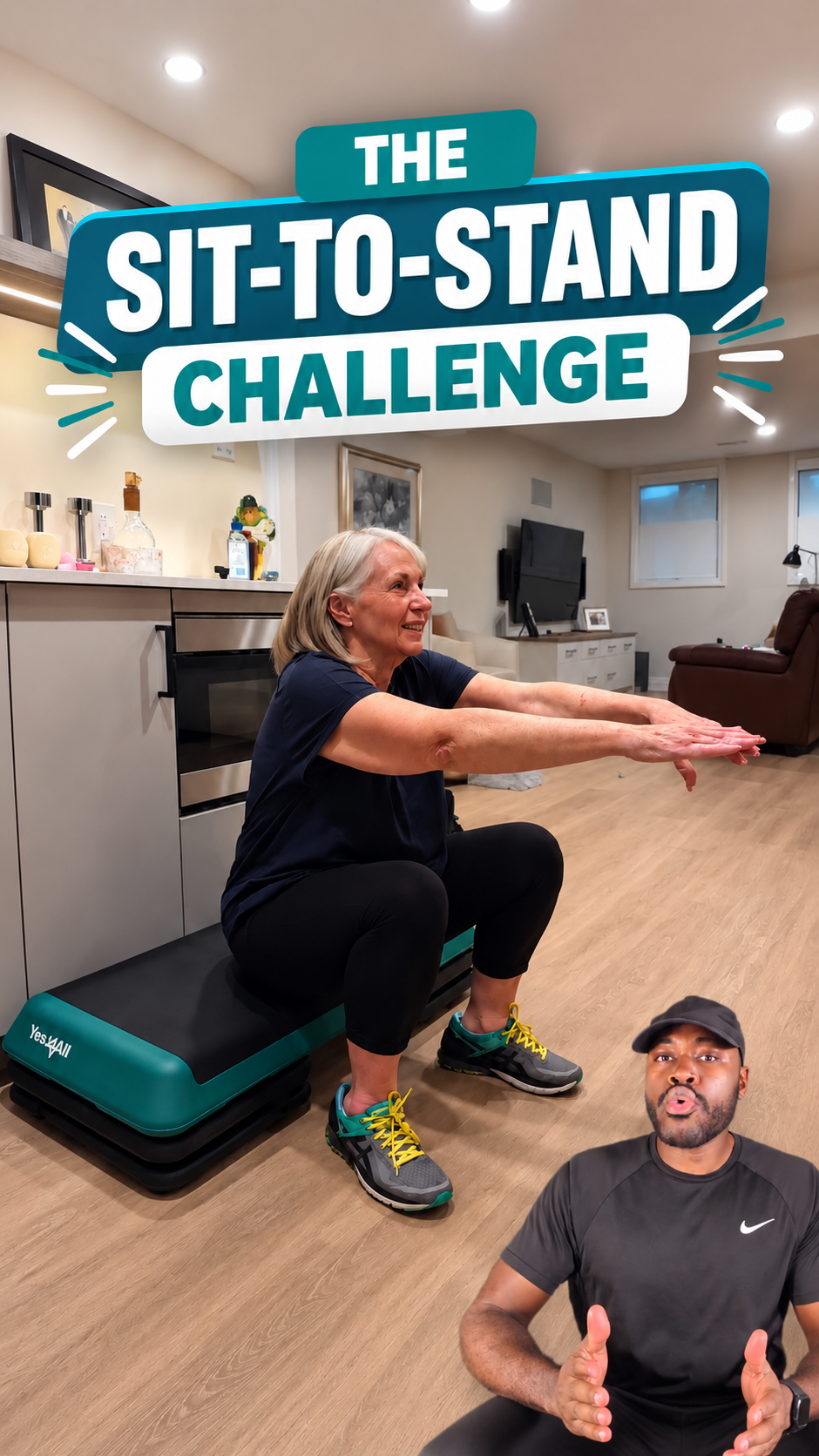
Sit-to-stands
Supported squats
Resistance-band exercises
Exercise selection should follow the individual’s rehabilitation instructions.
2. Improving Walking and Mobility
Walking is an important part of recovery, but returning to normal movement takes time.
Some seniors may experience difficulty with walking speed, confidence, or moving around the home.
Gradually progressing through appropriate exercises can help support walking-related strength and mobility.
3. Improving Balance and Stability
Changes in strength and movement after surgery can affect balance.
Once cleared for appropriate exercise, seniors may benefit from supported balance activities and functional strengthening.
These exercises should be selected according to their recovery stage and ability.
4. Returning to Everyday Activities
The goal of rehabilitation is to help individuals return to activities that matter to them.
These may include:
Getting up from a chair
Walking around the home
Climbing stairs
Getting in and out of bed
Participating in daily routines
Progress should be gradual, with exercises adjusted as recovery continues.

Important: These are examples of exercises that may be appropriate during later recovery or post-rehabilitation. They are not a substitute for prescribed physiotherapy. Follow your surgeon’s or physiotherapist’s instructions before adding exercises.
Exercise | Purpose |
|---|---|
Seated knee extension | Strengthen the quadriceps |
Sit-to-stand | Practise functional leg strength |
Supported step-up | Work on stair-related strength |
The number of repetitions, resistance, and range of movement should be based on the individual’s recovery and professional guidance.
Why Personalized Training Can Help
Every knee replacement recovery is different.
Some seniors may need additional support with leg strength, while others may focus more on mobility, balance, or returning to everyday activities.
Ember Fitness provides in-home personal training for seniors who have completed or are progressing through rehabilitation and have appropriate clearance for exercise.
Our trainers can help clients work on:
Functional strength
Lower-body strengthening
Balance and coordination
Mobility
Confidence with everyday movement
We serve seniors in Cambridge, Kitchener, Waterloo, Guelph, Mississauga, Brampton, Toronto, Oakville, Milton, Vaughan, and surrounding GTA communities.
Learn more about our post-rehabilitation fitness services or in-home personal training.
Final Thoughts
Knee replacement recovery is a gradual process that requires patience, appropriate rehabilitation, and consistent effort.
With guidance from healthcare professionals and a suitable exercise program, seniors can work toward rebuilding strength, improving mobility, and returning to everyday activities.
The goal is not simply to recover from surgery. It’s to continue building the strength and confidence needed for daily life.