As we age, maintaining muscle strength becomes increasingly important for everyday activities.
Muscle loss can happen gradually, making it difficult to notice at first. However, changes in strength may eventually affect walking, climbing stairs, getting out of a chair, and maintaining balance.
Age-related muscle loss, known as sarcopenia, can affect physical function and independence. Regular strength training and appropriate physical activity can help older adults maintain or improve muscle strength.
Recognizing the early signs can help seniors take steps toward improving their strength and mobility.
5 Signs of Muscle Loss After 60

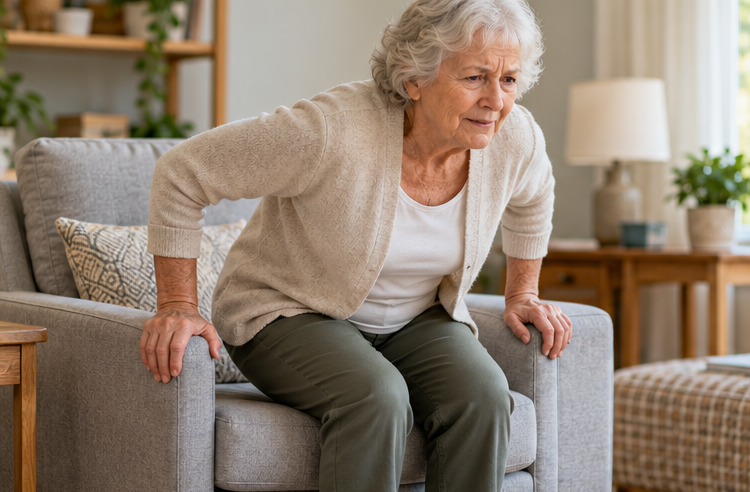
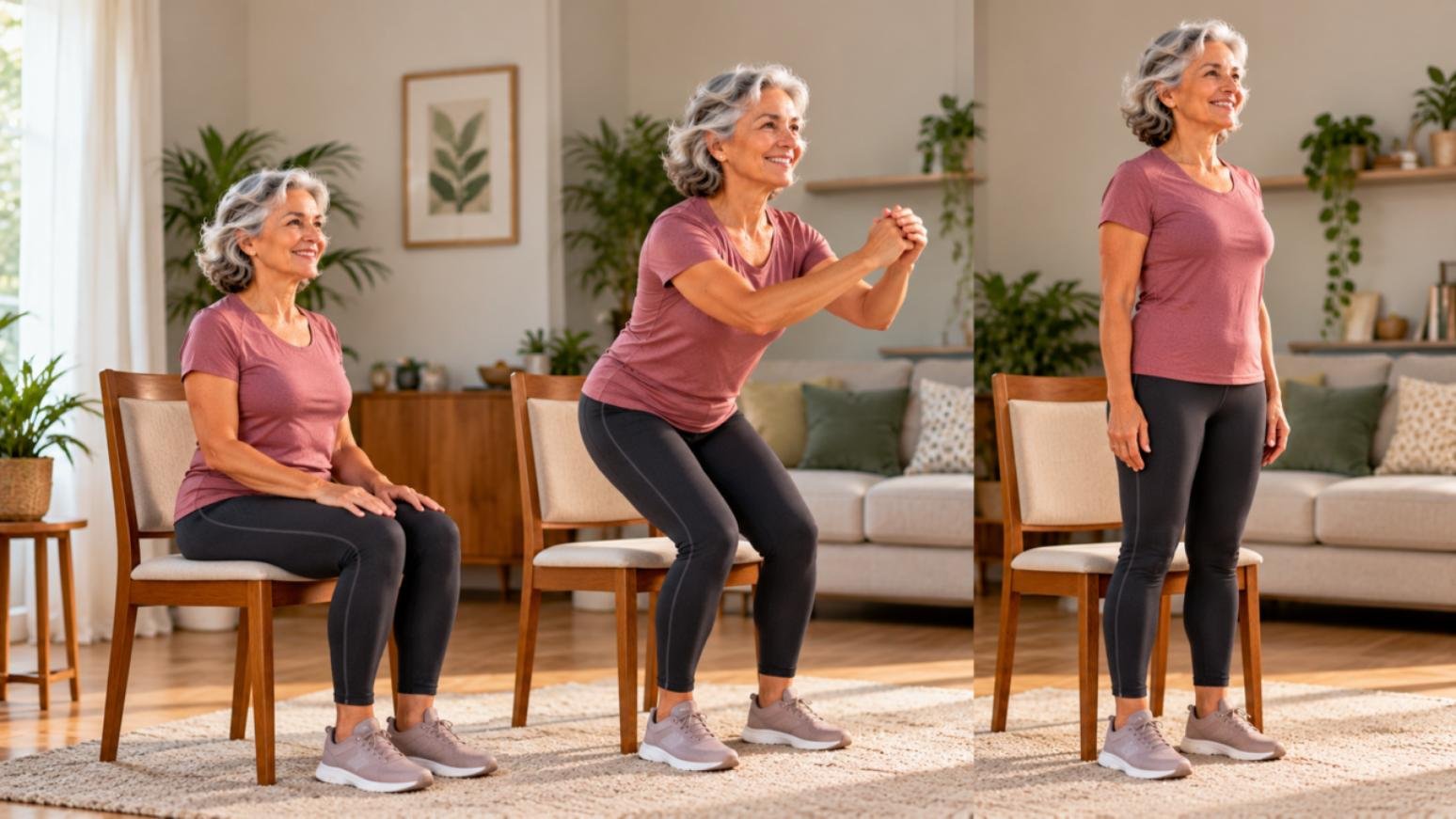
1. Difficulty Getting Up From a Chair
One of the first signs of declining leg strength may be struggling to stand up from a seated position.
You may notice yourself using your hands more frequently or needing additional support.
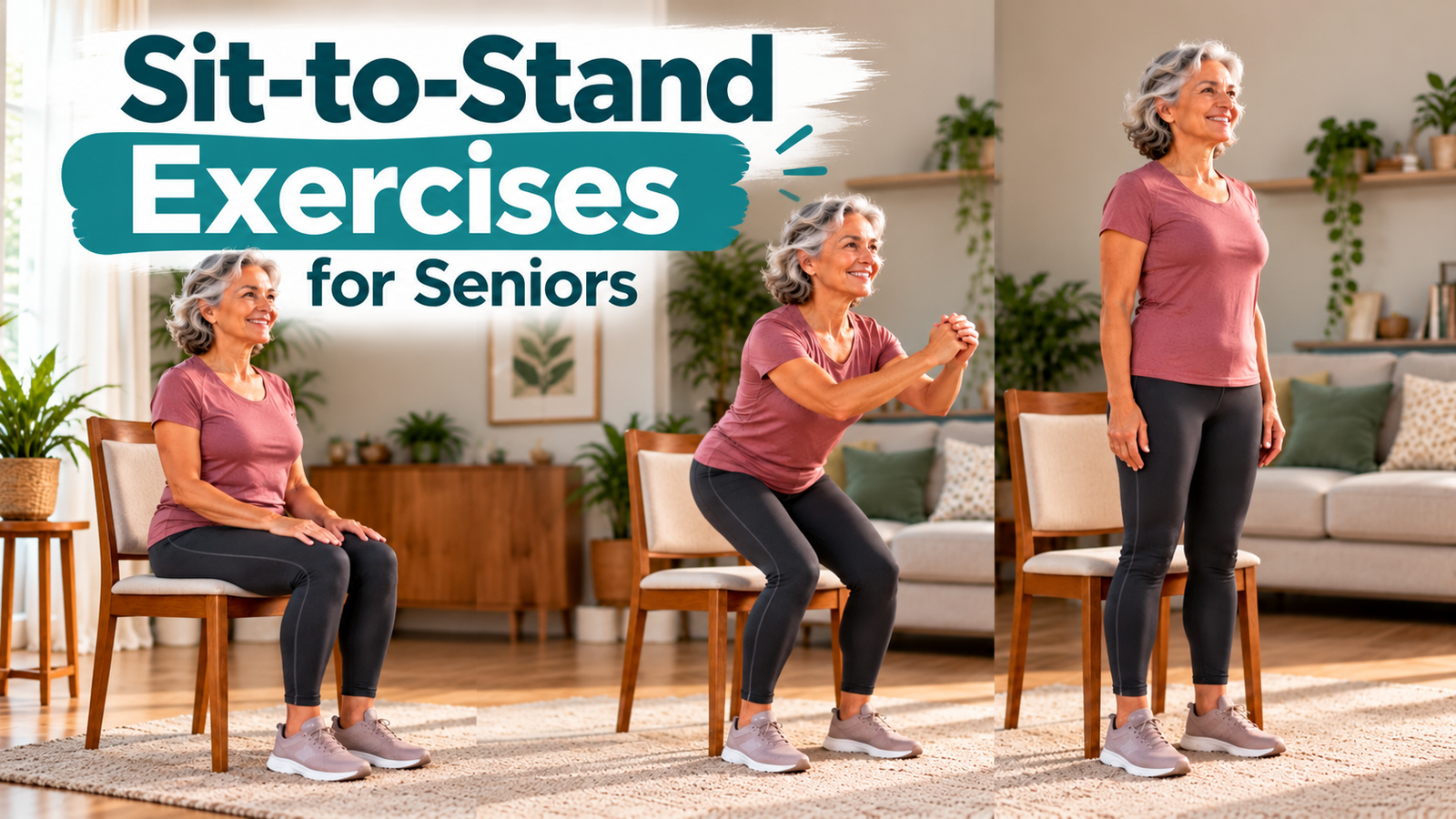
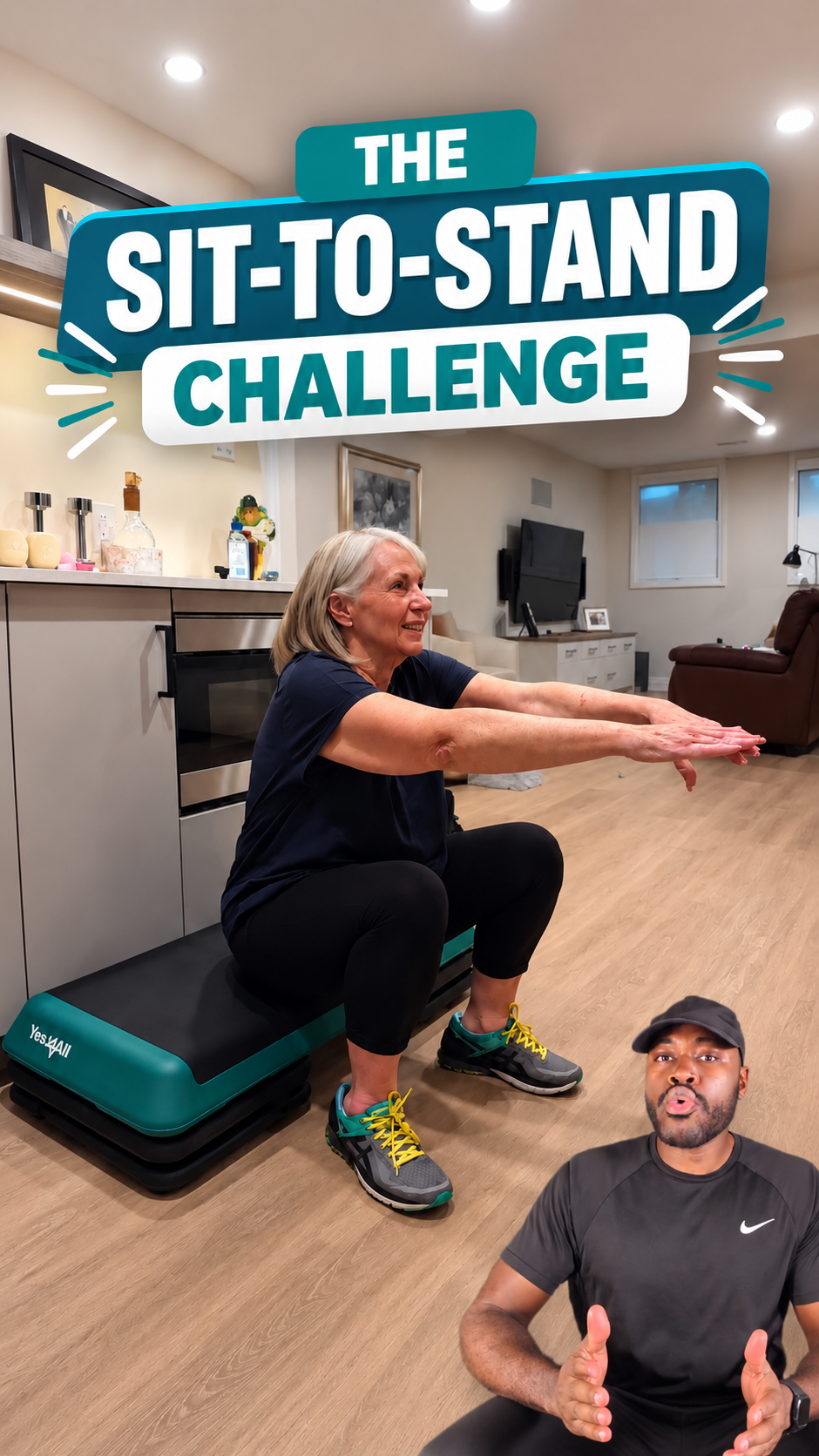
Exercises such as sit-to-stands and supported squats can help strengthen the muscles involved in standing.
2. Walking Becomes Slower
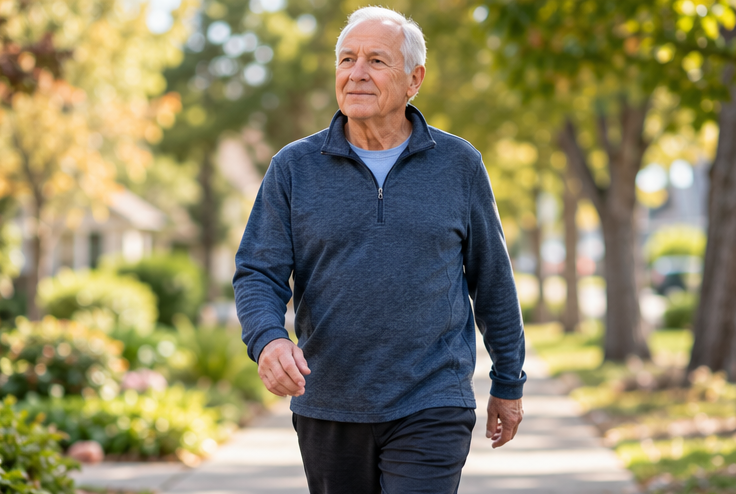
If walking around the house or neighbourhood becomes more difficult, declining muscle strength may be one contributing factor.
3. Climbing Stairs Becomes Challenging
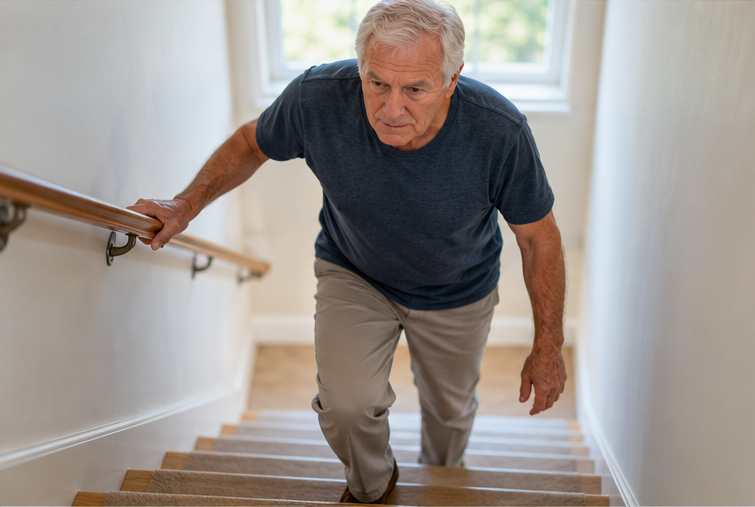
Stairs require strength from the quadriceps, glutes, and other lower-body muscles.
If climbing stairs becomes more tiring or difficult, it may be worth discussing the change with a healthcare professional and considering an appropriate strengthening program.
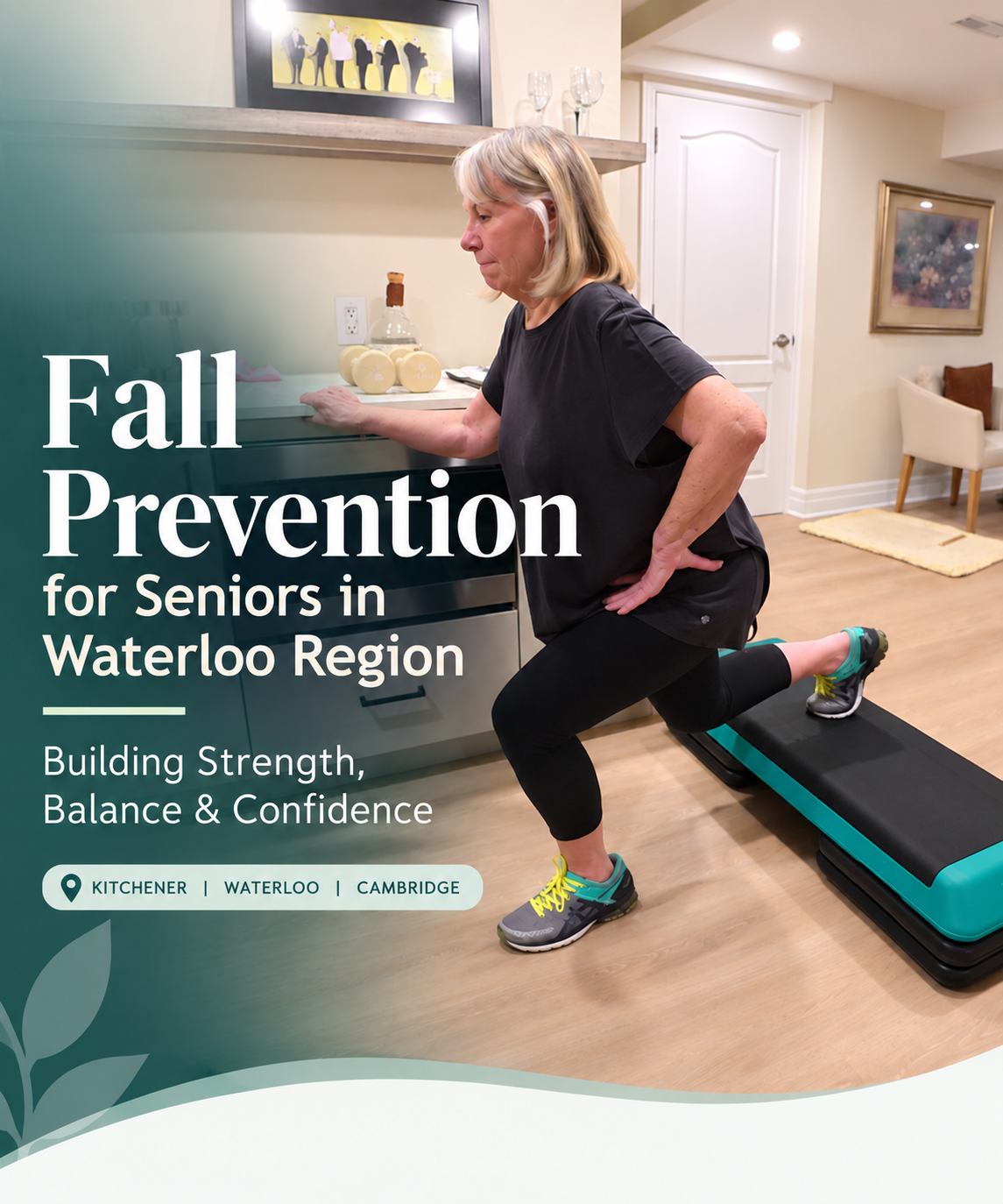
Step-ups and supported leg exercises may help develop the strength needed for stair climbing.
4. Everyday Activities Become More Difficult
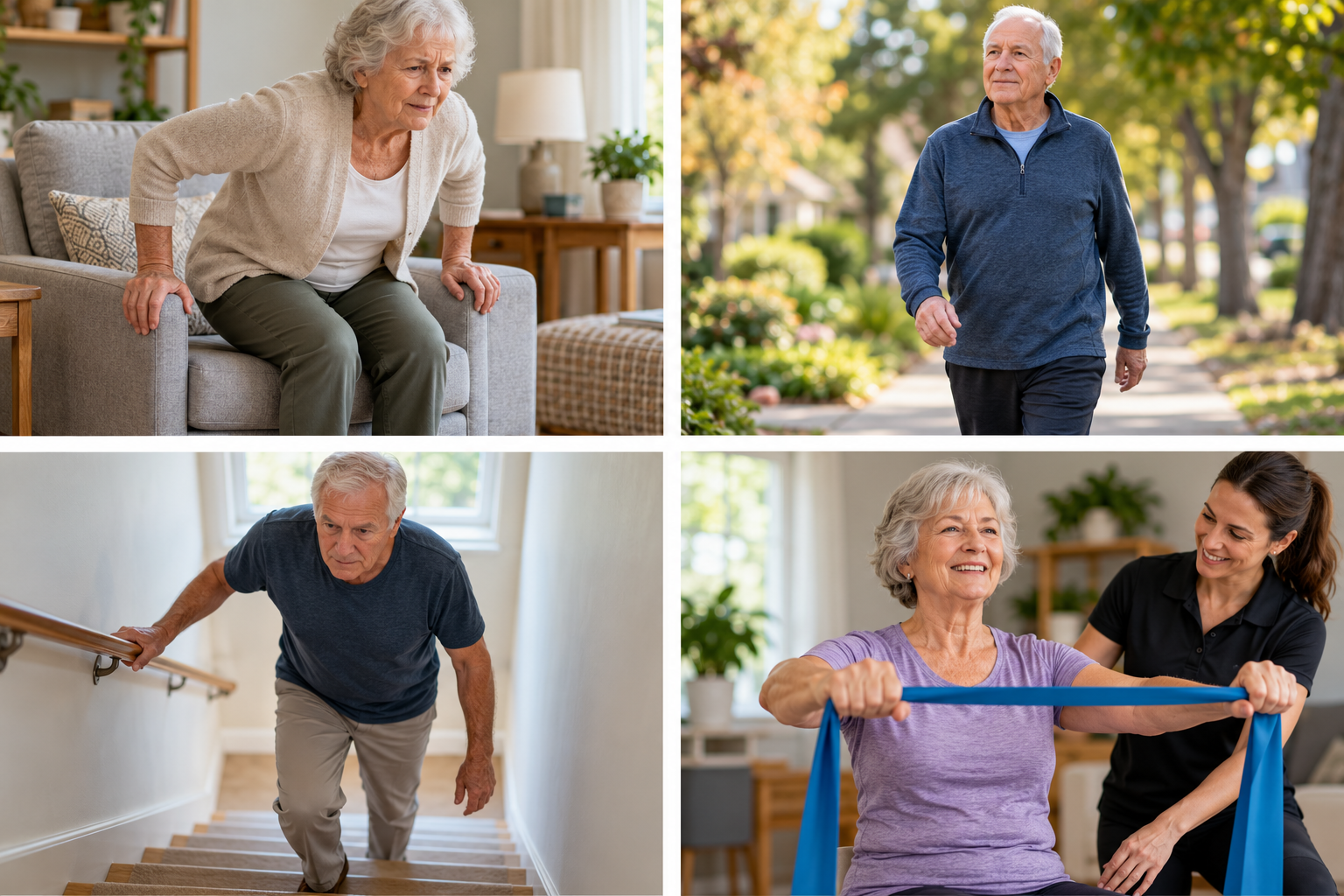
Muscle weakness can affect activities such as:
- Carrying groceries
- Getting out of bed
- Standing for longer periods
- Reaching for household items
- Moving around the home
These changes may happen gradually, but they can affect confidence and independence.
5. Balance and Stability Feel Different
Muscle strength plays an important role in supporting balance and movement.
If you feel less steady when turning, standing, or walking, it is important to take those changes seriously.
Strength exercises combined with appropriate balance training can help support mobility and reduce fall risk.
New or worsening balance problems should be assessed by a healthcare professional.
How Strength Training Can Help
Strength training is one of the most practical ways to work on maintaining muscle strength as we age.
A senior-friendly program may include:
Exercise | Main benefit |
|---|---|
Sit-to-stand | Leg strength |
Resistance-band rows | Upper-body strength |
Supported step-ups | Leg strength and functional movement |
Glute bridges | Hip strength |
Supported balance exercises | Stability and coordination |
Exercises should be adjusted to the individual’s fitness level, medical history, and ability.
The goal is to gradually improve strength while maintaining safe and controlled movement.
Strength Training for Seniors in the GTA
We provide in-home personal training for seniors and older adults who want to improve their strength, mobility, and confidence.
Our trainers work with clients in their homes, condo gyms, and retirement residences.
We serve communities including Cambridge, Kitchener, Waterloo, Guelph, Mississauga, Brampton, Toronto, Oakville, Milton, Vaughan, Markham, and surrounding GTA areas.
Whether you’re noticing changes in your strength or simply want to remain active as you age, a personalized exercise program can help you work toward your goals.