why seniors and older adults exercise but don’t see results
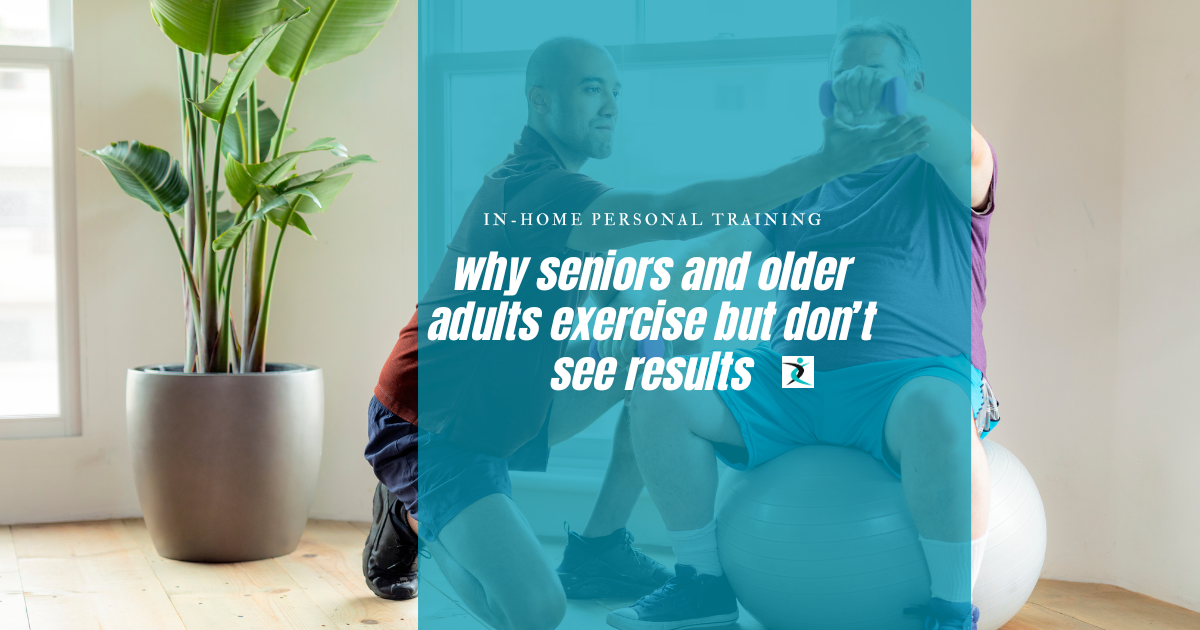
Many seniors and older adults begin exercising with the goal of improving their health, mobility, balance, and independence.
They start walking more often, stretching regularly, joining fitness classes, or following online exercise videos. However, after weeks or even months of effort, many older adults still feel frustrated because they are not seeing the results they expected.
They may still struggle with:
- Poor balance
- Muscle weakness
- Fatigue
- Stiffness
- Difficulty walking
- Low energy
- Trouble getting out of chairs
This often leads seniors to ask:
“Why am I exercising but still not getting stronger?”
The reality is that not all exercise programs are designed specifically for seniors and older adults. Many people stay active but never address the actual causes of declining mobility and strength.
Understanding why seniors and older adults exercise but don’t see results can help improve workouts, prevent injuries, and create better long-term progress.
At Ember Fitness, we help seniors throughout Mississauga, Brampton, Oakville, Toronto, Etobicoke, North York, Milton, and Barrie improve strength, mobility, balance, and confidence through personalized in-home fitness programs.
1. Seniors Often Avoid Strength Training
One of the biggest reasons seniors fail to see progress is because they focus only on walking or light cardio.
Walking is excellent for cardiovascular health, but it does not fully prevent muscle loss that naturally occurs with aging.
Without resistance exercises, older adults continue losing muscle mass over time.
This is why strength training for older adults is essential.
Strength exercises help seniors:
✔ Build muscle
✔ Improve balance
✔ Increase bone density
✔ Improve posture
✔ Maintain independence
✔ Reduce fall risk
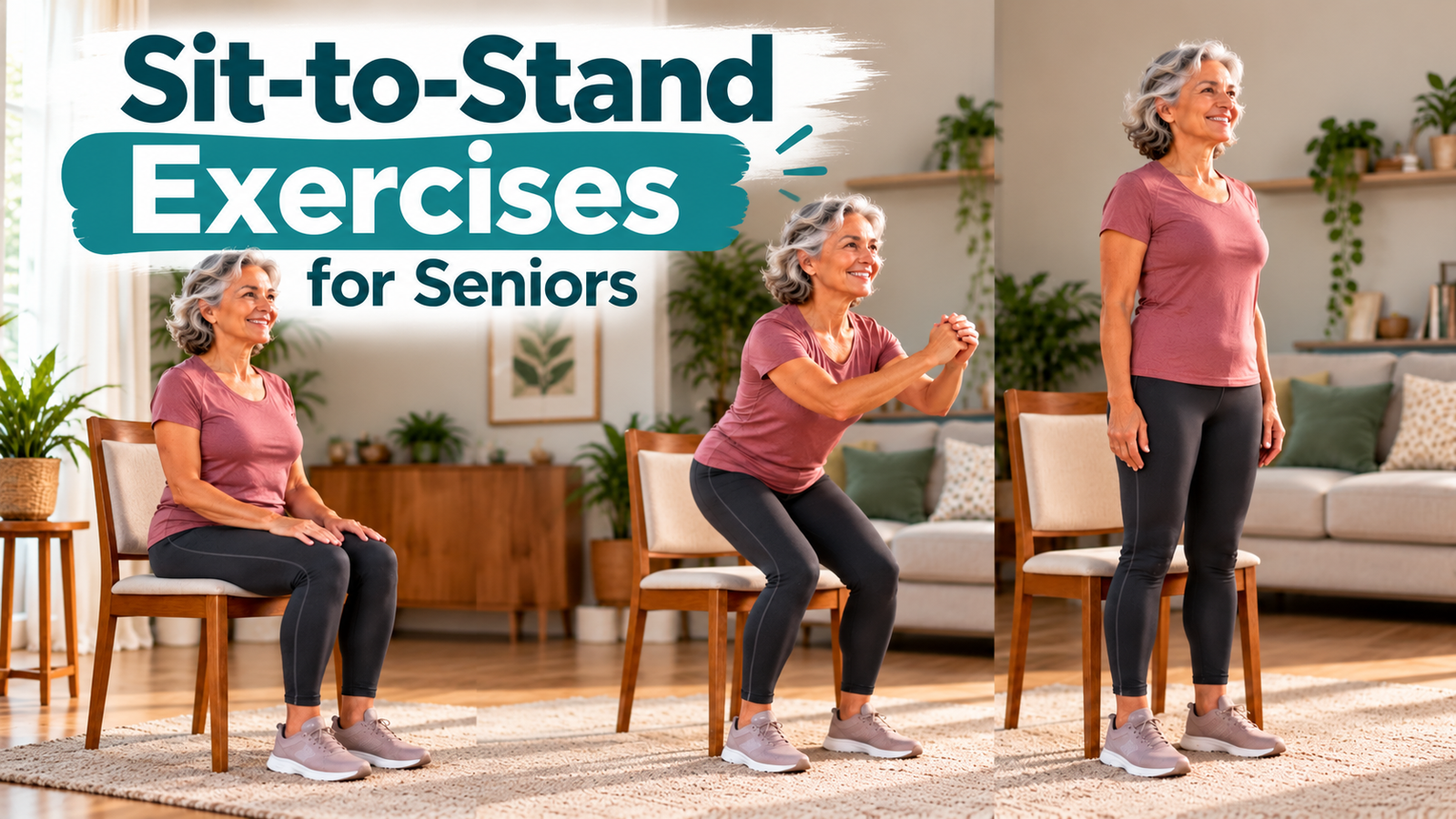
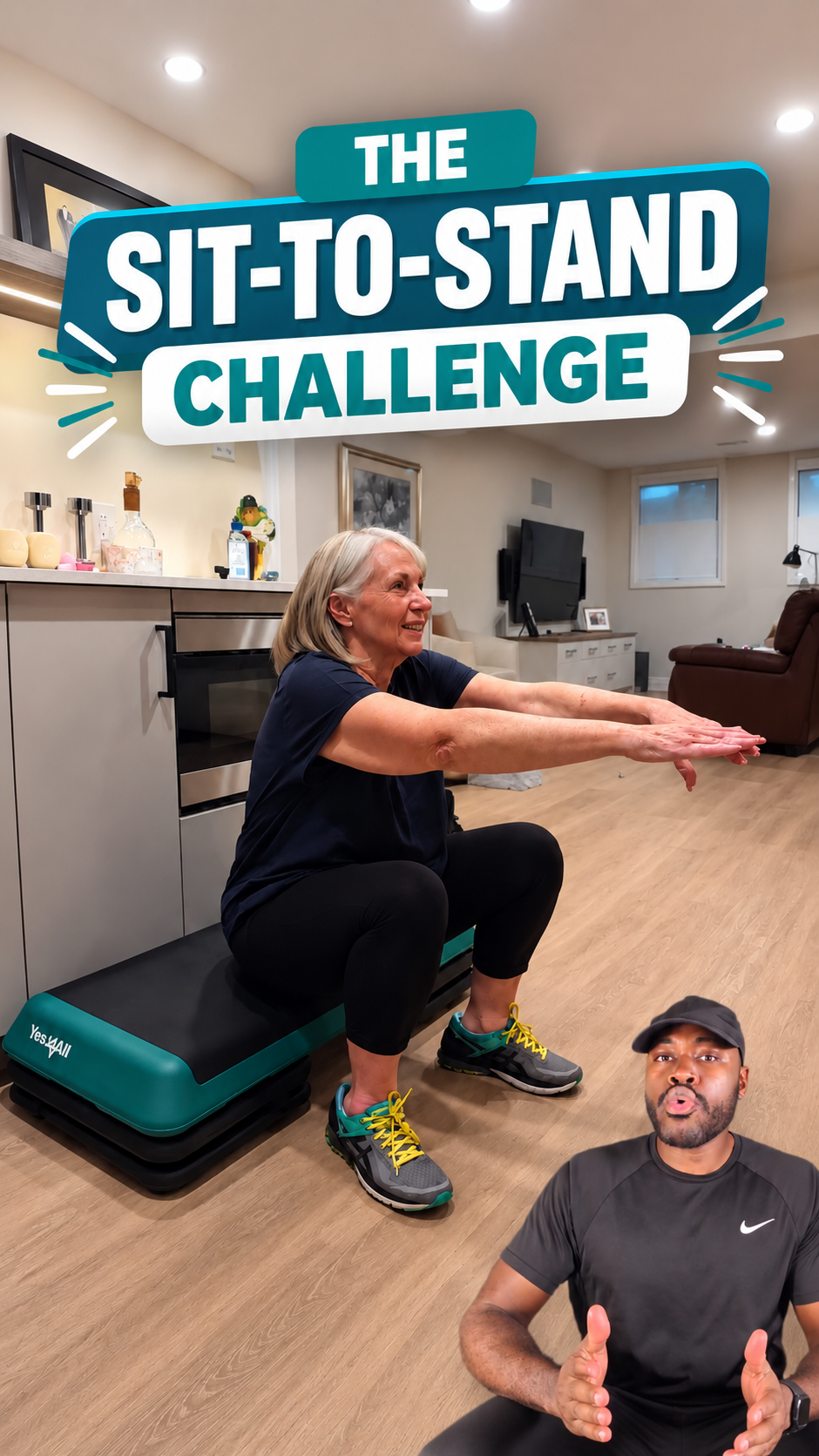
Simple exercises like chair squats, arm raises, side leg raises, and resistance band rows can dramatically improve daily function.
2. Workouts Are Not Challenging Enough
Many seniors repeat the same easy routine for years.
The body adapts quickly to exercise.
If movement never becomes slightly more challenging, progress eventually stops.
This is one of the most common fitness mistakes seniors make.
Older adults need gradual progression to continue improving safely.
Progression may include:
- More repetitions
- Slightly more resistance
- Better exercise control
- Longer balance holds
- Improved movement quality
Small changes create meaningful results over time.
3. Seniors Exercise Inconsistently
Consistency matters more than intensity.
Some older adults exercise heavily for a few days and then stop completely for long periods.
The body responds best to regular movement.
A structured healthy aging exercise program performed consistently 2–3 times weekly often produces better results than occasional intense workouts.
4. Lack of Balance Training
Many seniors exercise but completely ignore balance work.
As we age, balance naturally declines due to:
- Muscle weakness
- Reduced coordination
- Slower reaction time
- Less physical activity
Without balance training, seniors may continue feeling unstable even if they exercise regularly.
This is one reason why seniors stop progressing despite staying active.
Balance exercises improve confidence and help reduce fall risk.
5. Seniors Focus Too Much on Stretching Alone
Stretching is important, but stretching alone will not significantly improve strength or mobility.
Many older adults spend most of their workout doing seated stretches without including resistance or functional movement exercises.
The best programs combine:
- Strength training
- Balance exercises
- Mobility work
- Flexibility training
- Functional movement
This balanced approach creates better long-term results.
6. Fear of Injury Prevents Progress
Many seniors avoid challenging exercises because they fear injury or falling.
While safety is important, avoiding all resistance training often leads to further weakness and reduced mobility.
With proper instruction, seniors can safely challenge their muscles and improve strength at nearly any age.
7. Exercises Don’t Match Everyday Needs
Some workout programs fail because they do not focus on real-life movement.
Seniors benefit most from exercises that improve:
- Standing from chairs
- Carrying groceries
- Walking safely
- Climbing stairs
- Maintaining balance
- Reaching overhead
Functional training improves independence more effectively than random exercises.
8. Recovery and Nutrition Are Often Overlooked
Exercise is only one piece of healthy aging.
Without proper:
- Sleep
- Hydration
- Recovery
- Protein intake
older adults may struggle to build strength and maintain energy.
Recovery becomes increasingly important as we age.
Signs Your Current Exercise Program Isn’t Working
You may need a better fitness strategy if you:
✅ Feel weak despite exercising
✅ Notice worsening balance
✅ Struggle with daily activities
✅ Feel constantly stiff
✅ Experience little strength improvement
✅ Avoid challenging exercises
Recognizing these issues early can help seniors make faster progress.
Sample Healthy Aging Exercise Program
| Exercise | Sets | Reps |
|---|---|---|
| Chair Squats | 2 | 10 –12 |
| Arm Raises | 2 | 12 |
| Side Leg Raises | 2 | 10 each side |
| Resistance Band Rows | 2 | 10 –12 |
| Heel Raises | 2 | 15 |
| Standing Marches | 2 | 20 |
| Balance Hold | 2 | 15 sec |
Perform 2–3 times weekly.
This routine combines strength, mobility, flexibility, and balance training for seniors and older adults.
Why Personalized In-Home Training Helps Seniors Progress Faster
Many older adults achieve better results when they receive personalized guidance.
In-home training provides:
✔ Customized workouts
✔ Safer supervision
✔ Better consistency
✔ Personalized progression
✔ Improved confidence
✔ Programs designed specifically for seniors
At Ember Fitness, we bring professional in-home fitness coaching directly to seniors across Mississauga, Brampton, Oakville, Toronto, Etobicoke, North York, Milton, and Barrie.
Frequently Asked Questions
Can seniors still build muscle after 70?
Is walking enough exercise for seniors?
How often should older adults exercise?
Why do some seniors stop progressing?
Conclusion
Understanding why seniors and older adults exercise but don’t see results is the first step toward making meaningful progress.
Many older adults remain active but never fully address muscle loss, balance deficits, or mobility limitations.
The good news is that with proper strength training, balance exercises, mobility work, and consistency, seniors can significantly improve independence, confidence, and overall quality of life.
At Ember Fitness, we help seniors and older adults build safe, personalized fitness programs designed specifically for healthy aging and long-term results.