Introduction
When many seniors begin experiencing difficulty walking, maintaining balance, or getting around safely, one of the first solutions that comes to mind is purchasing a walker, cane, or other mobility aid.
While mobility aids and walkers for seniors can be incredibly valuable tools when medically necessary, they are not always the only solution.
In many cases, reduced mobility is not simply the result of aging. Instead, it is often linked to muscle weakness, reduced balance, decreased flexibility, and a lack of regular physical activity.
Before automatically relying on a walker, it may be worth asking an important question:
Could improving strength, balance, and mobility help restore confidence and independence?
For many older adults, the answer is yes.
Through proper exercise and guidance, seniors can often improve their ability to walk, stand, climb stairs, and perform everyday activities more comfortably and safely.
Why Seniors Start Looking for Mobility Aids
Most seniors don’t wake up one day suddenly needing a walker.
The process is usually gradual.
Common warning signs include:
- Difficulty getting out of a chair
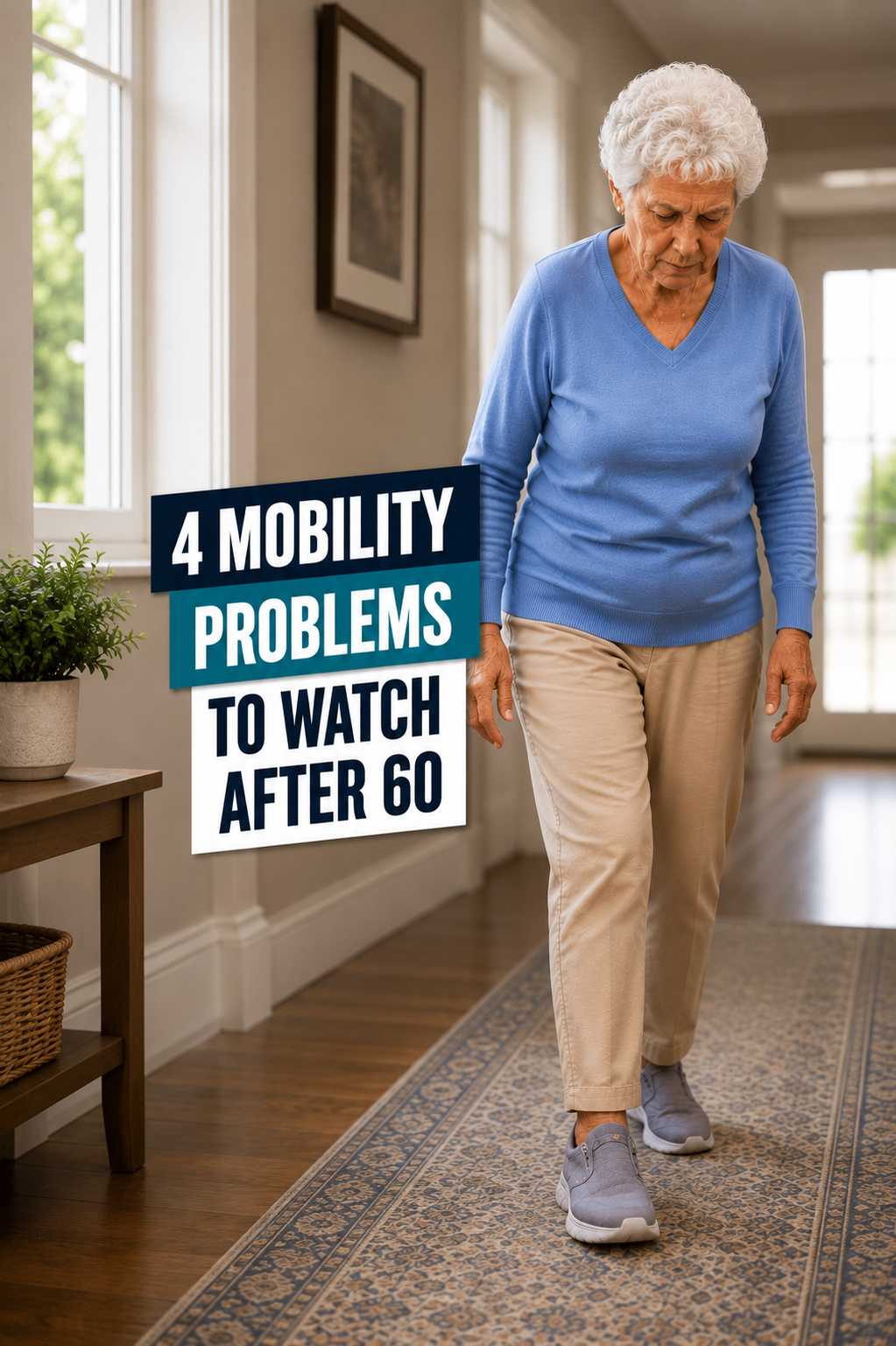
- Feeling unsteady while walking
- Holding onto furniture for support
- Avoiding stairs
- Reduced walking endurance
- Fear of falling
- Lower-body weakness
These issues frequently lead people to search for mobility aids and walkers for seniors.
However, these challenges are often symptoms of declining strength and balance rather than permanent disabilities.
What Happens When We Stop Moving?
One of the biggest contributors to mobility loss is inactivity.
As we age, muscle mass naturally declines. This age-related loss of muscle is known as sarcopenia.
According to the National Institutes of Health, sarcopenia can significantly impact mobility, balance, and independence if left unaddressed.
When activity levels decrease:
- Leg muscles become weaker
- Balance deteriorates
- Walking speed slows
- Joint stiffness increases
- Confidence decreases
This creates a cycle where movement becomes more difficult, leading to even less activity.
Over time, many seniors begin relying on mobility aids simply because their muscles have become deconditioned.
The Real Problem May Be Weakness, Not Aging
Many older adults assume that reduced mobility is simply a normal part of getting older.
The reality is that strength can be improved at almost any age.
Research consistently shows that strength training for seniors can:
✅ Improve walking ability
✅ Increase balance
✅ Reduce fall risk
✅ Improve confidence
✅ Enhance independence
Even seniors in their 70s, 80s, and 90s can benefit from structured exercise programs.
When Exercise May Be a Better First Step
Before purchasing a walker, consider whether exercise could help address the root cause of mobility challenges.
A structured fitness program may help if you:
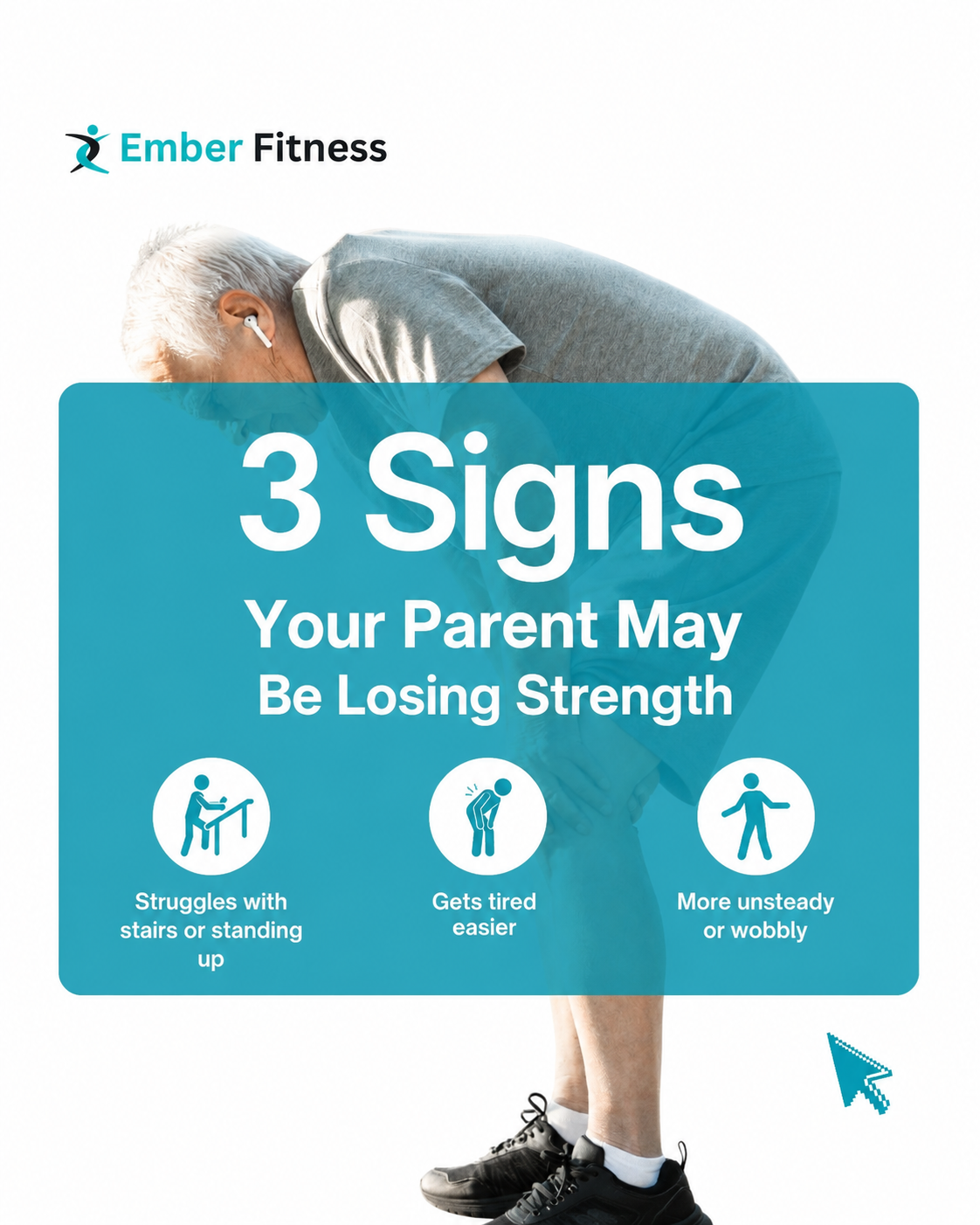
- Struggle to stand up from chairs
- Feel unstable while walking
- Have experienced recent falls
- Avoid certain activities due to fear
- Notice reduced strength in your legs
- Tire easily during short walks
These are common signs that strength training for seniors and balance exercises for seniors may be beneficial.
How Strength Training Helps Seniors Stay Independent
1. Stronger Legs
The legs are responsible for many daily activities:
- Standing
- Walking
- Climbing stairs
- Getting in and out of vehicles
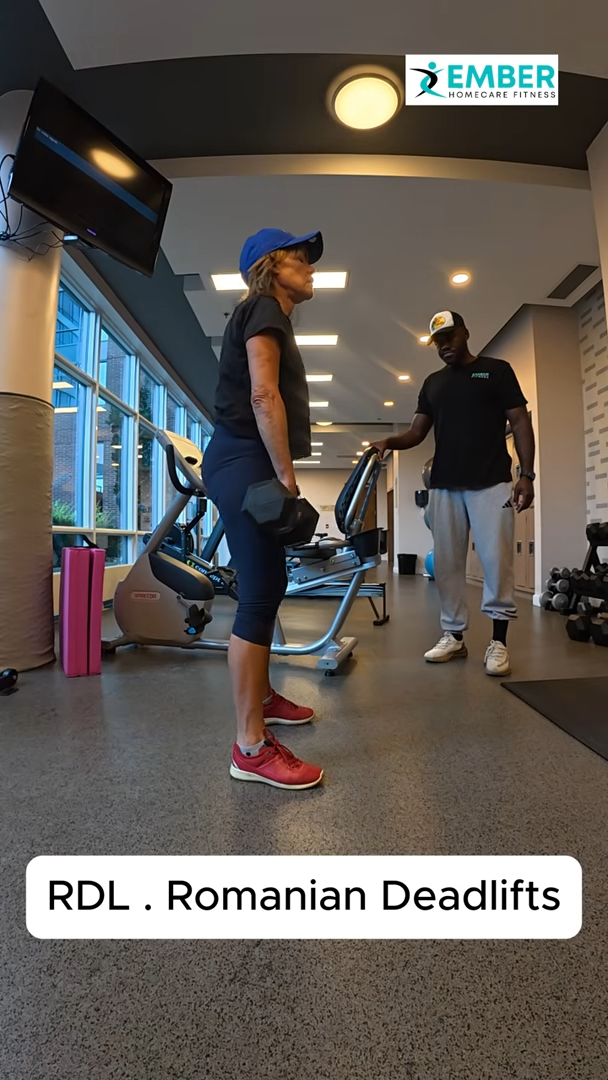
Exercises such as chair squats and step-ups help build functional strength.
2. Better Balance
Many falls occur because stabilizing muscles become weaker.
Regular balance exercises for seniors help improve coordination and reduce fall risk.
3. Improved Confidence
Fear of falling often limits activity.
As strength improves, confidence grows.
Many seniors discover they can perform activities they had previously avoided.
4. Greater Independence
The ultimate goal is maintaining independence.
Being able to move freely without assistance improves quality of life and reduces reliance on others.
Sample Mobility Improvement Program
This beginner-friendly routine can be performed 2–3 times per week.
| Exercise | Sets | Reps |
|---|---|---|
| Chair Squats | 2 | 8–12 |
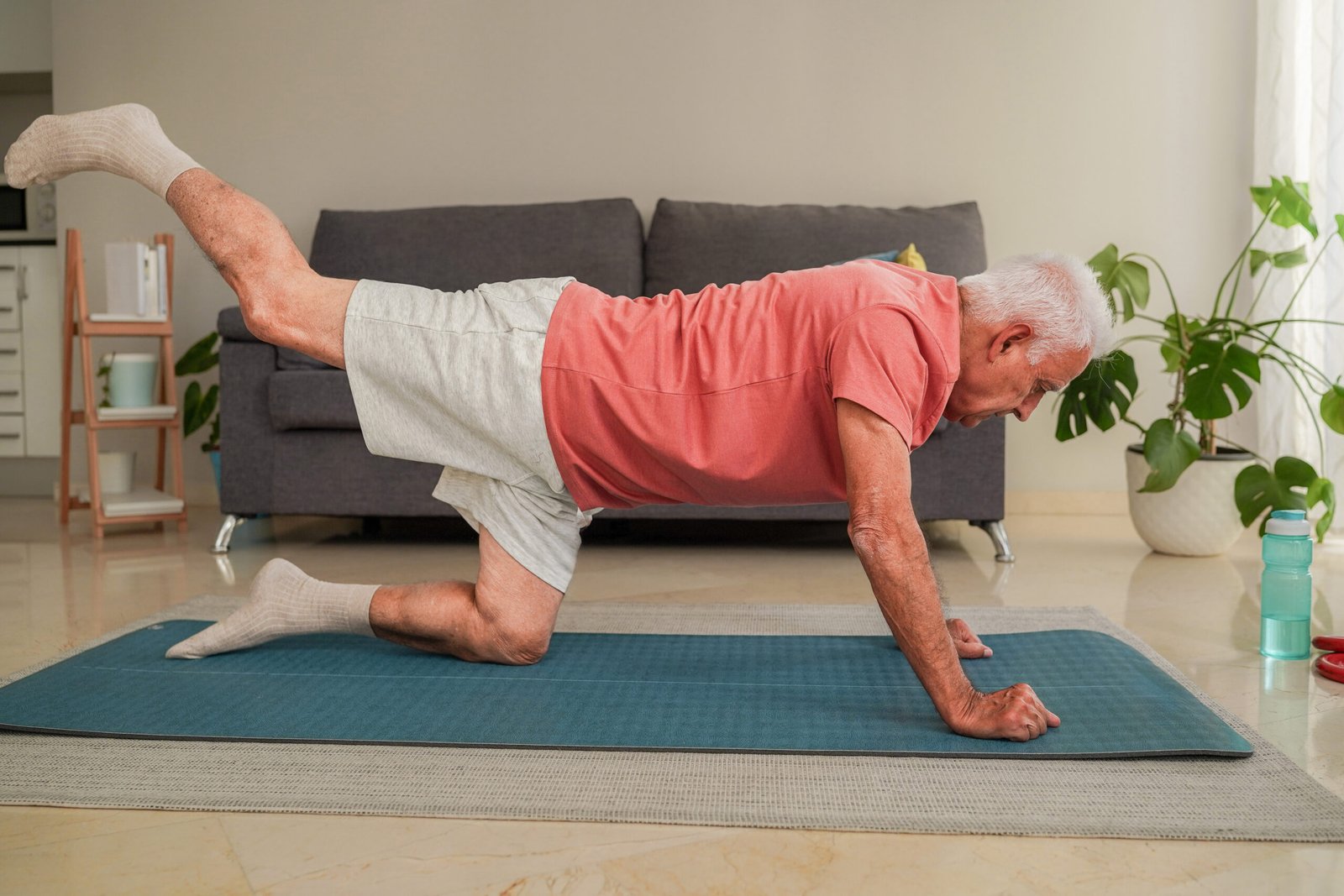
| Side Leg Raises | 2 | 10 each side |
| Heel Raises | 2 | 12–15 |
| Standing Marches | 2 | 20 |
| Arm Raises | 2 | 10–12 |
| Seated Knee Extensions | 2 | 12 |
This simple routine combines strength training for seniors with fall prevention exercises for seniors.
When a Walker Is the Right Choice
It’s important to recognize that mobility aids can be essential for some individuals.
Walkers may be necessary when:
- A physician recommends one
- Significant neurological conditions exist
- Severe balance issues are present
- Recovery from surgery is ongoing
- Medical conditions limit safe walking
The goal is not to avoid mobility aids at all costs.
Instead, the goal is to ensure that weakness and inactivity are not the primary reasons someone requires one.
Combining Exercise and Mobility Support
For some seniors, the best approach is a combination of exercise and mobility support.
This allows them to:
- Stay safe
- Build strength gradually
- Improve mobility over time
- Reduce fall risk
Many clients begin with support and eventually gain greater confidence through training.
Why In-Home Personal Training Works
One of the biggest barriers to exercise is getting to the gym.
With in-home training, seniors can exercise safely in a familiar environment.
Benefits include:
✔ Personalized programs
✔ One-on-one instruction
✔ No travel required
✔ Improved consistency
✔ Exercises tailored to individual needs
At Ember Fitness, we help seniors throughout Mississauga, Brampton, Oakville, Toronto, Etobicoke, North York, Milton, and Barrie improve strength, mobility, and balance from the comfort of their homes.
Frequently Asked Questions
Can exercise help seniors avoid using a walker?
What are the best alternatives to walkers for seniors?
How often should seniors exercise?
Is it too late to start exercising after 70 or 80?
Conclusion
Mobility aids and walkers for seniors can be valuable tools, but they should not always be the first solution.
Many mobility challenges stem from muscle weakness, reduced balance, and inactivity rather than aging itself.
Before assuming a walker is necessary, consider whether a structured exercise program could help improve strength, mobility, and confidence.
The goal is simple:
Stay strong, stay mobile, and stay independent for as long as possible.
If you’re ready to improve your mobility and confidence, Ember Fitness can help.