Introduction
Many seniors wait until a fall, injury, hospitalization, or significant loss of mobility before seeking help. Unfortunately, by the time these issues occur, recovery can become more difficult and take longer.
The good news is that many age-related challenges can be reduced or delayed through prevention and early intervention.
At Ember Fitness, we often tell clients that the best time to start exercising isn’t after a problem develops, it’s before one occurs.
Whether your goal is avoiding falls, maintaining independence, improving balance, or staying active with family and friends, taking action early can make a tremendous difference.
What Does Prevention and Early Intervention Mean?
Prevention and early intervention refers to identifying potential health or mobility concerns before they become major problems.
Instead of waiting for:
- A fall
- Severe muscle weakness
- Difficulty walking
- Chronic pain
- Loss of independence
Seniors can proactively improve strength, mobility, flexibility, and balance through regular exercise and healthy habits.
This approach helps maintain quality of life and reduces the likelihood of serious health setbacks.
Why Prevention Matters for Seniors
1. Muscle Loss Happens Gradually
One of the biggest challenges associated with aging is the gradual loss of muscle mass.
Without regular exercise, adults naturally lose strength over time.
This can affect:
- Walking
- Climbing stairs
- Carrying groceries
- Standing from chairs
- Maintaining balance
By focusing on prevention and early intervention, seniors can preserve muscle strength and continue performing daily activities independently.
2. Falls Often Have Warning Signs
Most falls do not happen without warning.
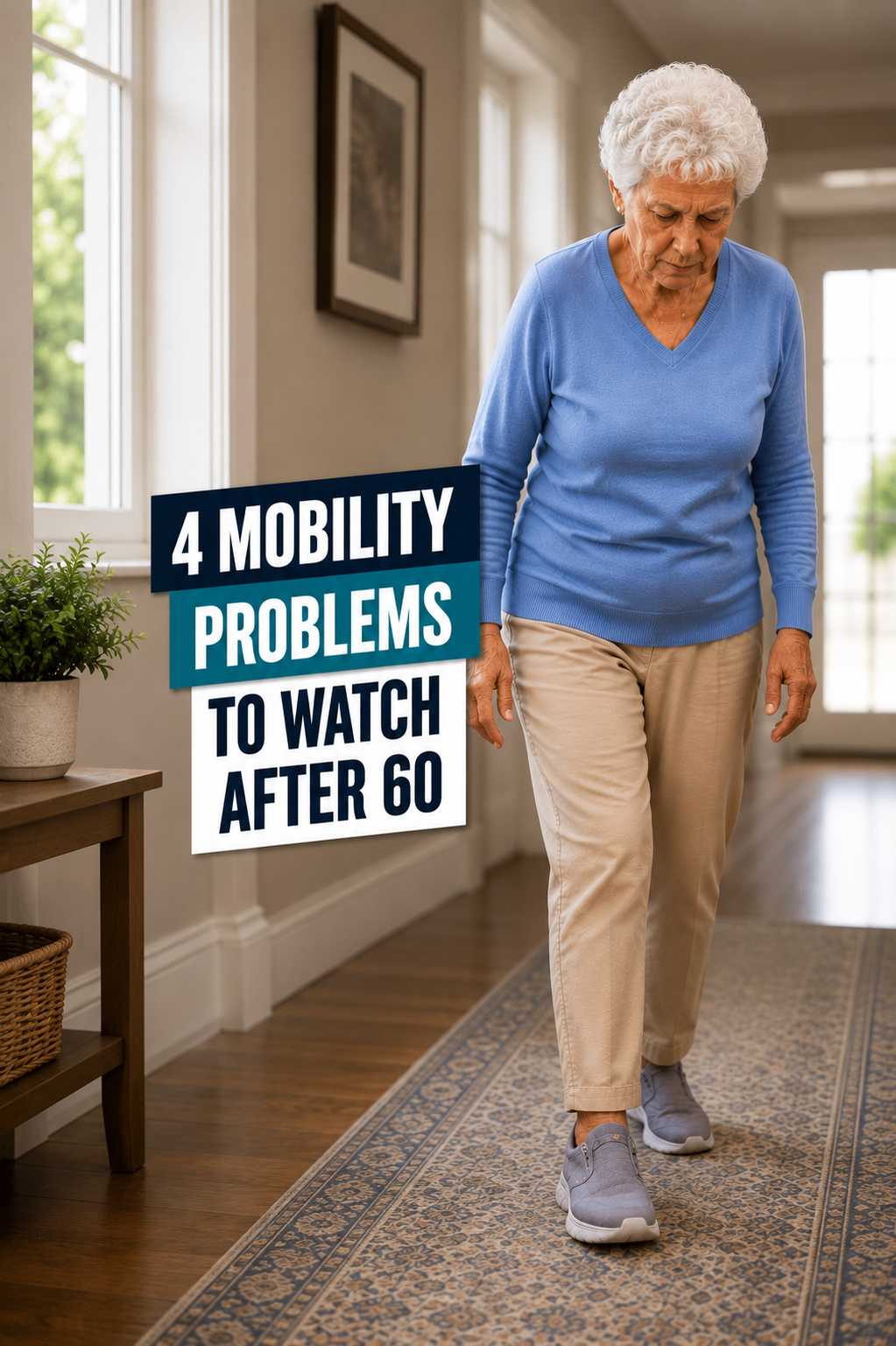
Common early signs of mobility decline include:
- Holding onto furniture while walking
- Difficulty standing from a chair
- Slower walking speed
- Poor balance
- Fear of falling
- Reduced confidence during movement
Recognizing these early signs of mobility decline allows seniors to address issues before a serious fall occurs.
3. Independence Is Easier to Maintain Than Regain
Once mobility is lost, rebuilding it can take significant time and effort.
This is why prevention is often more effective than rehabilitation.
By investing in healthy aging strategies today, seniors can continue enjoying an active and independent lifestyle.
Common Areas Where Early Intervention Helps
Balance
Balance naturally changes with age.
Early balance training can reduce fall risk and improve confidence.
This is why strength and balance training for seniors is one of the most effective preventive measures available.
Mobility
Stiff joints and limited flexibility can gradually affect movement.
Addressing mobility issues early helps seniors continue moving comfortably and confidently.
Strength
Strength is the foundation of independence.
Maintaining strong muscles supports walking, lifting, reaching, and everyday activities.
Confidence
Many seniors reduce activity levels because they fear injury or falling.
Early intervention programs help rebuild confidence and encourage regular movement.
Signs It’s Time to Take Action
Consider beginning a fitness program if you notice:
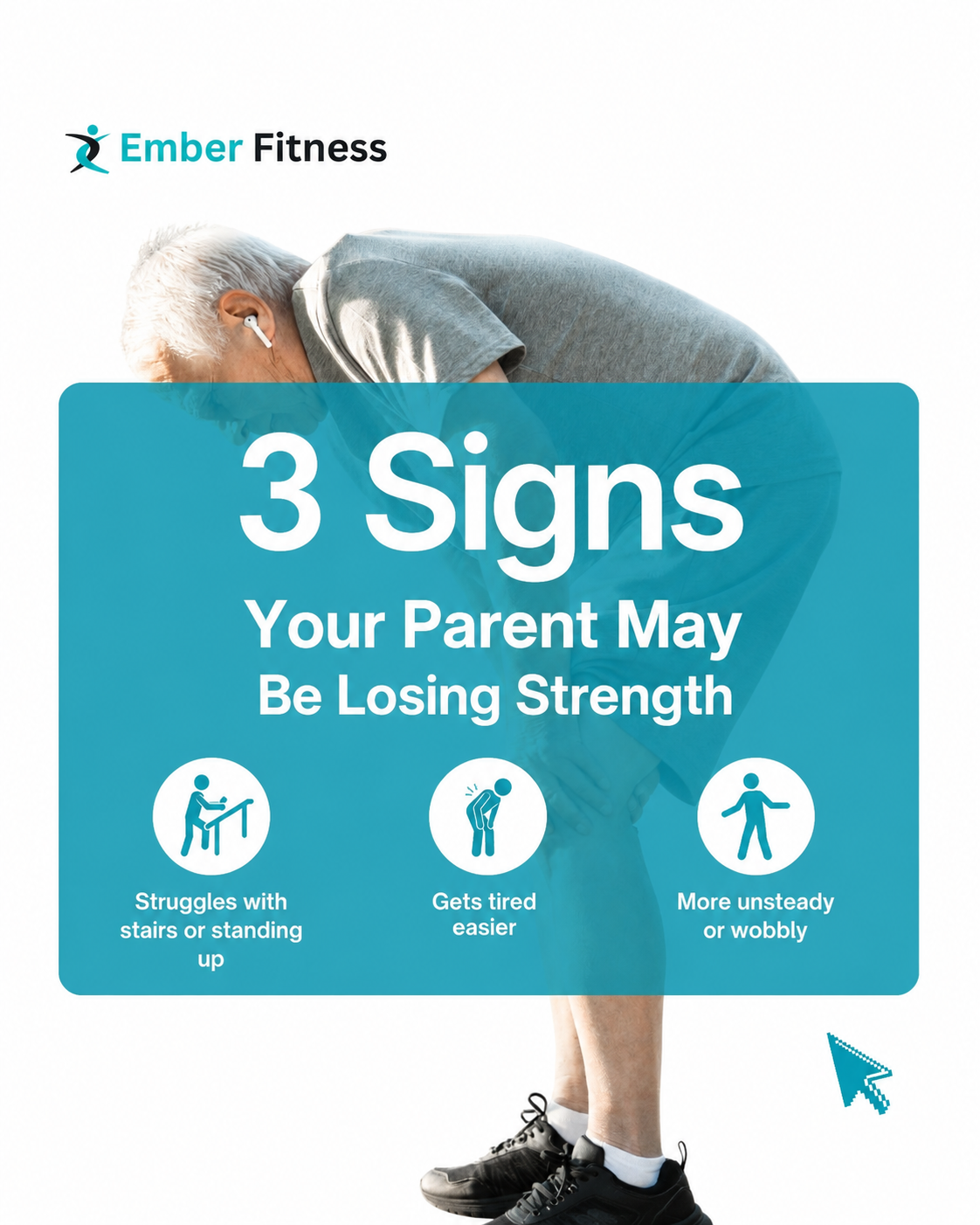
✅ Difficulty climbing stairs
✅ Trouble getting up from chairs
✅ Reduced walking endurance
✅ Balance challenges
✅ Increased stiffness
✅ Recent near-falls
These signs may indicate the need for strength and balance training for seniors.
Sample Prevention Program for Seniors
| Exercise | Sets | Reps |
|---|---|---|
| Chair Squats | 2 | 8–12 |
| Standing Marches | 2 | 20 |
| Side Leg Raises | 2 | 10 each side |
| Heel Raises | 2 | 15 |
| Arm Raises | 2 | 12 |
| Seated Knee Extensions | 2 | 12 |
| Standing Balance Hold | 2 | 15 sec |
Perform 2–3 times per week.
This routine supports fall prevention for seniors, improves mobility, and helps maintain independence.
The Benefits of In-Home Training
Many seniors benefit from exercising in familiar surroundings.
In-home training offers:
✔ Personalized instruction
✔ Increased safety
✔ Convenience
✔ Better consistency
✔ Programs tailored to individual needs
This makes prevention easier and more accessible.
Why Families Should Encourage Early Action
Family members often notice mobility changes before seniors do.
Encouraging loved ones to participate in preventive fitness programs can:
- Reduce fall risk
- Improve confidence
- Maintain independence
- Enhance quality of life
The earlier intervention begins, the greater the potential benefits.
Frequently Asked Questions
Is it too early to start a prevention program if I feel healthy?
Can exercise really prevent falls?
How often should seniors exercise?
What is the biggest benefit of prevention?
Conclusion
The goal of prevention and early intervention is simple: address small problems before they become major challenges.
By recognizing the early signs of mobility decline, participating in strength and balance training for seniors, and following proven healthy aging strategies, older adults can stay active, confident, and independent for years to come.
At Ember Fitness, we believe that the best way to avoid future limitations is to start strengthening your body today.