Introduction
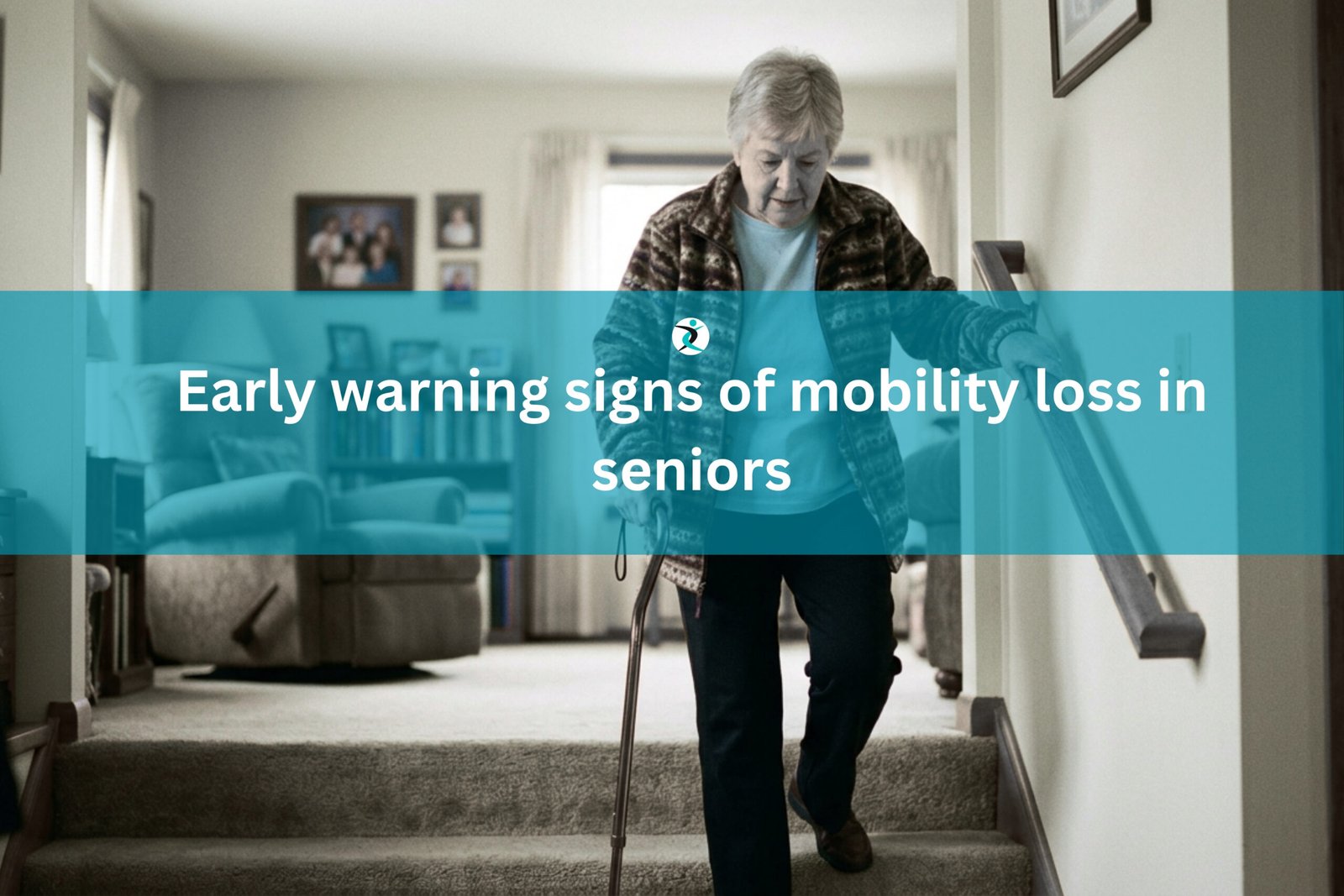
Mobility doesn’t suddenly disappear, it declines gradually, often with subtle changes that are easy to overlook. Recognizing the early warning signs of mobility loss in seniors can make a significant difference in preventing injuries, maintaining independence, and improving quality of life.
Many older adults begin to experience small challenges in daily movement, such as difficulty standing up, slower walking speed, or increased stiffness. These are not just normal signs of aging , they can be early indicators of a decline in strength, balance, and coordination.
The good news is that by identifying the signs of reduced mobility in seniors early, families and individuals can take action using mobility exercises for seniors and simple lifestyle adjustments to stay active and independent.
Why Early Detection Matters
1. Prevent Falls and Injuries
Falls are one of the leading causes of injury among older adults. Recognizing fall risk indicators in elderly individuals early allows for preventive action before accidents occur.
Many of these indicators can be addressed through safe exercises for seniors, improving balance and coordination.
2. Maintain Independence
Loss of mobility often leads to reliance on others for daily tasks. Detecting the early warning signs of mobility loss in seniors helps preserve independence longer.
3. Improve Quality of Life
Mobility affects everything , from social activities to mental health. Addressing the signs of reduced mobility in seniors early ensures a more active and fulfilling lifestyle.
Early Warning Signs to Watch For
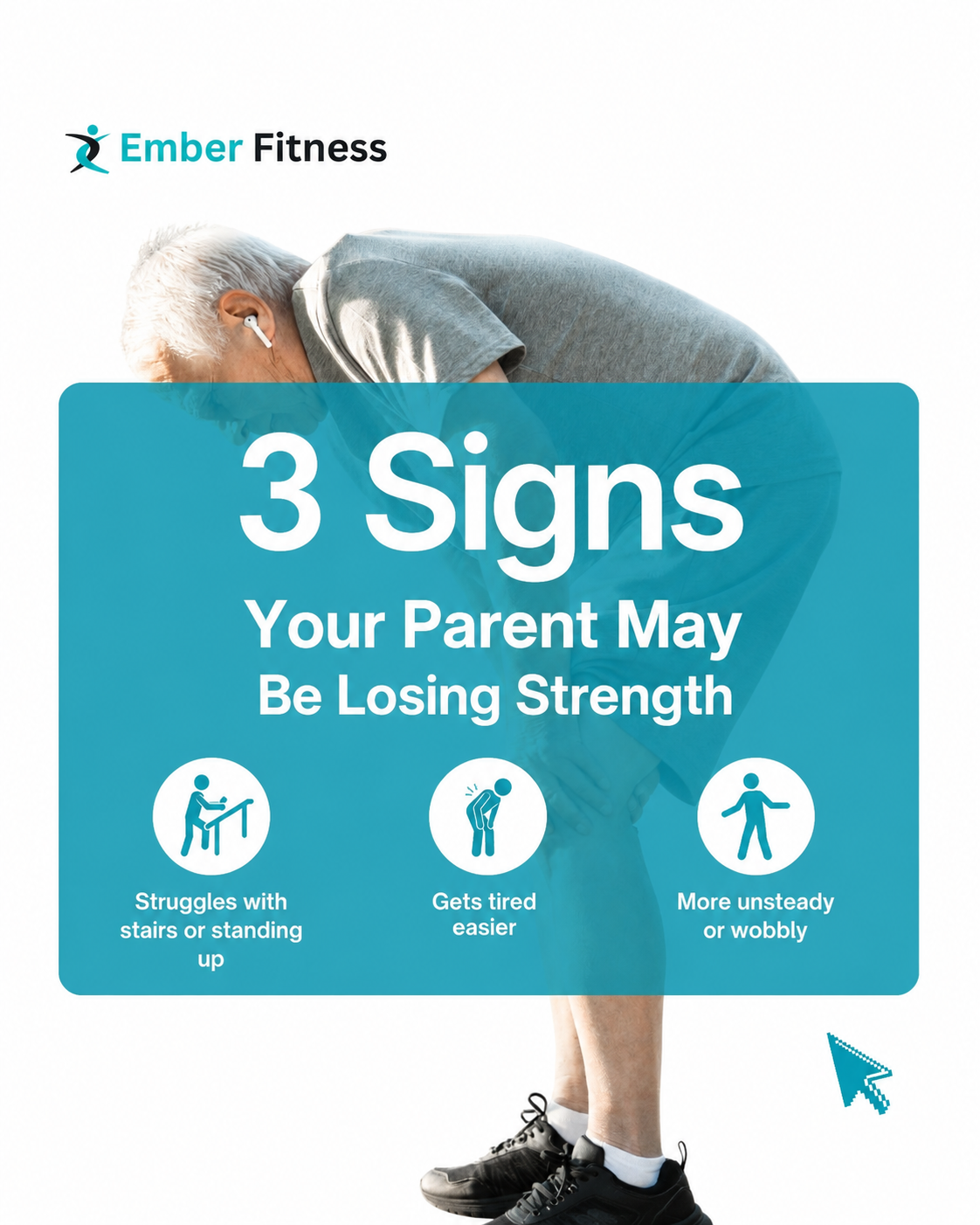
1. Difficulty Standing Up
Struggling to get out of a chair or bed is one of the most common signs of reduced mobility in seniors.
This often indicates weakening leg muscles, which are essential for balance and daily function.
2. Slower Walking Speed
A noticeable decrease in walking speed is one of the key early warning signs of mobility loss in seniors.
It may reflect reduced strength, balance issues, or fear of falling.
3. Loss of Balance
Frequent stumbling or needing support while walking are clear fall risk indicators in elderly individuals.
Balance decline increases the risk of serious injuries if not addressed.
4. Reduced Range of Motion
Stiffness in joints, especially in hips, knees, and shoulders, can limit movement.
This is why regular mobility exercises for seniors are essential to maintain flexibility.
5. Fatigue During Simple Tasks
Feeling tired after basic activities like walking short distances or climbing stairs can signal declining endurance.
These are subtle early warning signs of mobility loss in seniors that should not be ignored.
6. Avoiding Physical Activity
Some seniors begin avoiding movement due to discomfort or fear.
This creates a cycle that worsens mobility, making safe exercises for seniors even more important.
What Causes Mobility Decline?
Understanding the causes helps prevent progression.
Common factors include:
- Muscle loss (age-related)
- Joint stiffness
- Sedentary lifestyle
- Poor balance
- Chronic conditions
These factors contribute to the signs of reduced mobility in seniors and can be improved with consistent movement.
How to Prevent Mobility Loss
1. Stay Consistent with Movement
Regular mobility exercises for seniors help maintain flexibility and strength.
Even 10 –15 minutes daily can make a difference.
2. Focus on Strength Training
Leg and core strength are critical.
Incorporating safe exercises for seniors like squats and leg raises improves stability.
3. Improve Balance
Balance training directly reduces fall risk indicators in elderly individuals.
Exercises like standing on one leg or using support can help.
4. Stretch Regularly
Stretching improves joint flexibility and reduces stiffness.
This helps counter the early warning signs of mobility loss in seniors.
Best Mobility Exercises for Seniors
Here are simple and effective mobility exercises for seniors:
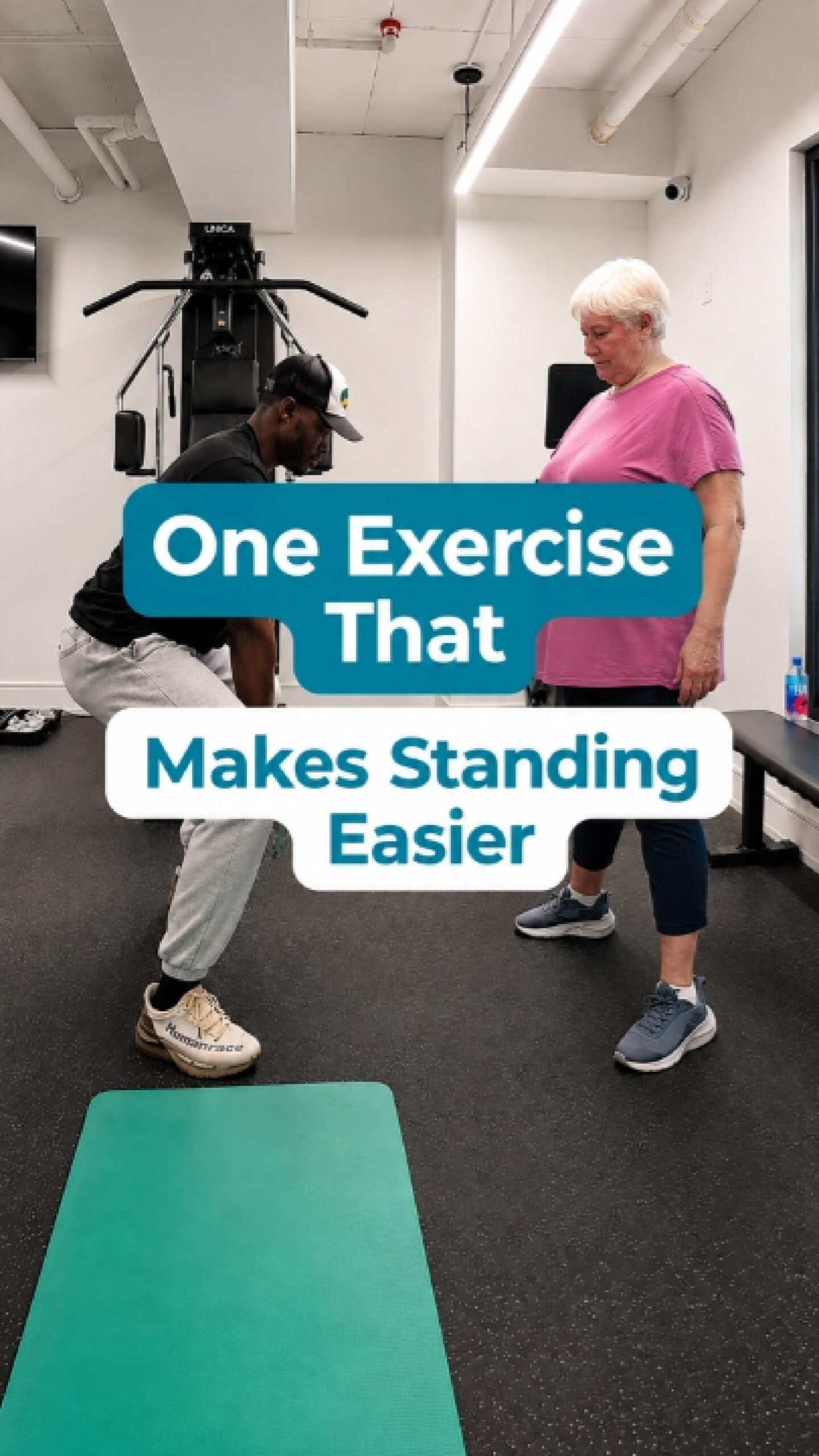
1. Chair Squats
- Strengthens legs
- Improves standing ability
- Reduces fall risk
2. Seated Marching
- Improves coordination
- Enhances circulation
- Encourages movement
3. Side Leg Raises
- Strengthens hips
- Improves balance
- Supports stability
4. Arm Raises
- Improves posture
- Enhances upper-body mobility
5. Neck Rotations
- Reduces stiffness
- Improves mobility
These are excellent safe exercises for seniors to maintain function
Sample Weekly Mobility Plan
| Day | Exercise | Sets | Reps | Rest |
|---|---|---|---|---|
| Day 1 | Chair Squats | 2 | 8–10 | 60 sec |
| Day 2 | Seated Marching | 2 | 12–15 | 60 sec |
| Day 3 | Side Leg Raises | 2 | 8–10 | 60 sec |
| Day 4 | Light Walking | – | – | – |
| Day 5 | Arm Raises | 2 | 10–12 | 60 sec |
| Day 6 | Neck Rotations | 2 | 6–8 | 60 sec |
| Day 7 | Full Routine | 1–2 | All exercises | 60 sec |
👉 Repeat weekly and increase gradually.
Additional Tips for Seniors and Families
- Encourage daily movement
- Remove fall hazards at home
- Use supportive footwear
- Stay hydrated
- Seek professional guidance
Addressing fall risk indicators in elderly individuals early improves long-term outcomes.
FAQs : early warning signs of mobility loss in seniors
Q1: Are mobility changes normal with age?
Q2: When should I be concerned?
Q3: Can exercise reverse mobility loss?
Q4: How often should seniors exercise?
Conclusion
Recognizing the early warning signs of mobility loss in seniors is the first step toward prevention. By addressing the signs of reduced mobility in seniors early and incorporating mobility exercises for seniors, older adults can maintain independence, reduce fall risk, and enjoy a higher quality of life.
Taking action today ensures better mobility tomorrow.