Table of Contents
What is Osteoporosis?
Osteoporosis is a condition that weakens bones, making them fragile and more likely to break. It develops slowly over several years and is often diagnosed only after a fall or sudden fracture. For seniors, osteoporosis in seniors is one of the most common health concerns, especially for women after menopause.
According to the International Osteoporosis Foundation, over 200 million people worldwide live with this condition. It is sometimes called the “silent disease” because bone loss often occurs without symptoms.
Why Seniors are at Higher Risk
As people age, bone mass naturally decreases. Seniors are at higher risk because:
Hormonal changes, particularly in women after menopause, accelerate bone loss.
Lower levels of physical activity weaken muscles and bones.
Seniors may have underlying health conditions that increase risk.
Poor diet or lack of calcium and vitamin D can further weaken bone density.
Both men and women experience osteoporosis in seniors, though women are more commonly affected.
Symptoms and Early Warning Signs
Osteoporosis often progresses without symptoms until a fracture occurs. However, some early signs may include:
Back pain caused by collapsed vertebrae
Loss of height over time
Stooped posture
Bones that break more easily than expected
If you notice these symptoms, it’s important to discuss them with a healthcare provider.
Diagnosing Osteoporosis
Osteoporosis can be diagnosed through a bone mineral density (BMD) test, often using a DEXA scan. This painless test measures bone strength and identifies your risk of fractures. Seniors should consider screening, especially if they are over age 65 or have risk factors such as family history or frequent fractures.
Managing Osteoporosis Through Lifestyle Changes
Although osteoporosis cannot always be cured, it can be effectively managed. Seniors can take proactive steps to strengthen bones and reduce risk of fractures:
Stay Active: Regular exercise is essential for maintaining bone strength.
Eat a Balanced Diet: Ensure adequate intake of calcium and vitamin D.
Avoid Smoking and Excessive Alcohol: Both reduce bone health.
Take Medications if Prescribed: Some medications can slow bone loss and reduce fracture risk.
The Role of Nutrition in Bone Health
Nutrition plays a major role in osteoporosis prevention in older adults. Seniors should focus on:
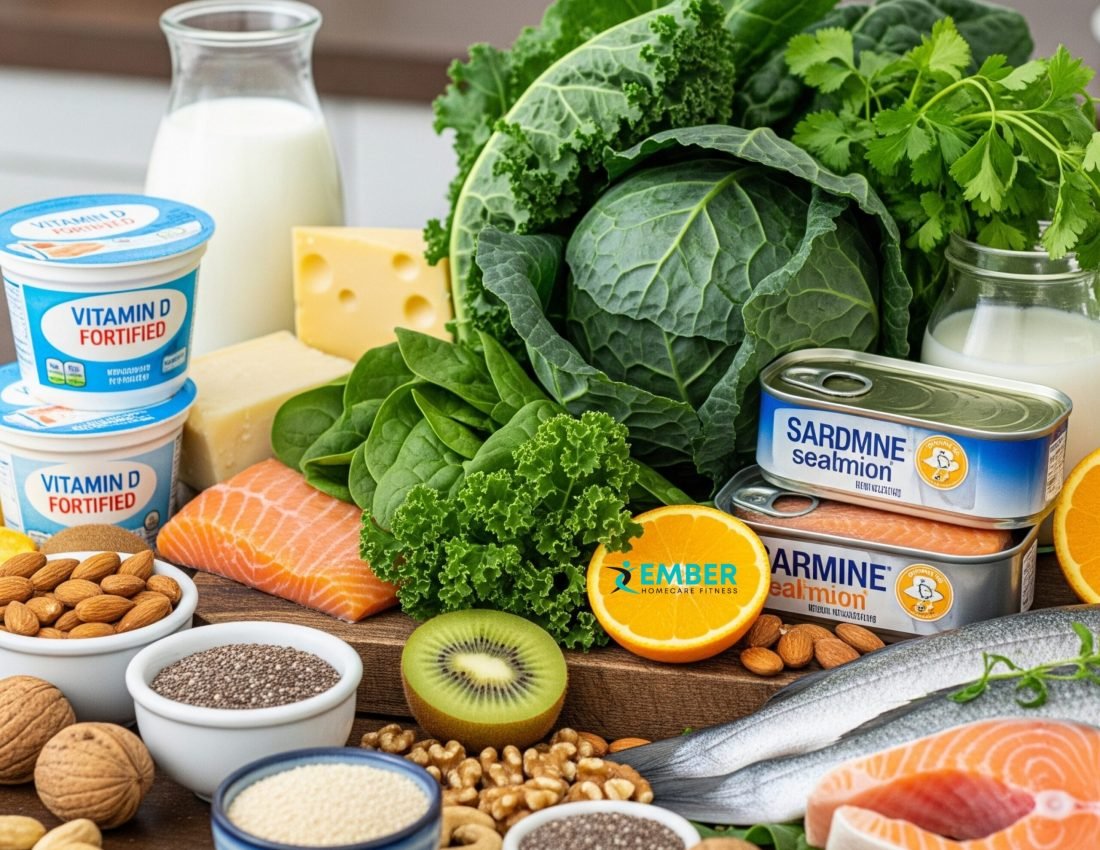
Calcium-rich foods: Milk, yogurt, cheese, and leafy greens.
Vitamin D: Essential for calcium absorption. Found in fortified foods, fish, and through sunlight.
Protein: Helps maintain muscle and bone strength.
Magnesium & Vitamin K: Found in nuts, seeds, and vegetables for bone support.
A Harvard Health study emphasizes the importance of a diet rich in nutrients to prevent and manage osteoporosis in seniors.
Safe Exercises for Seniors with Osteoporosis
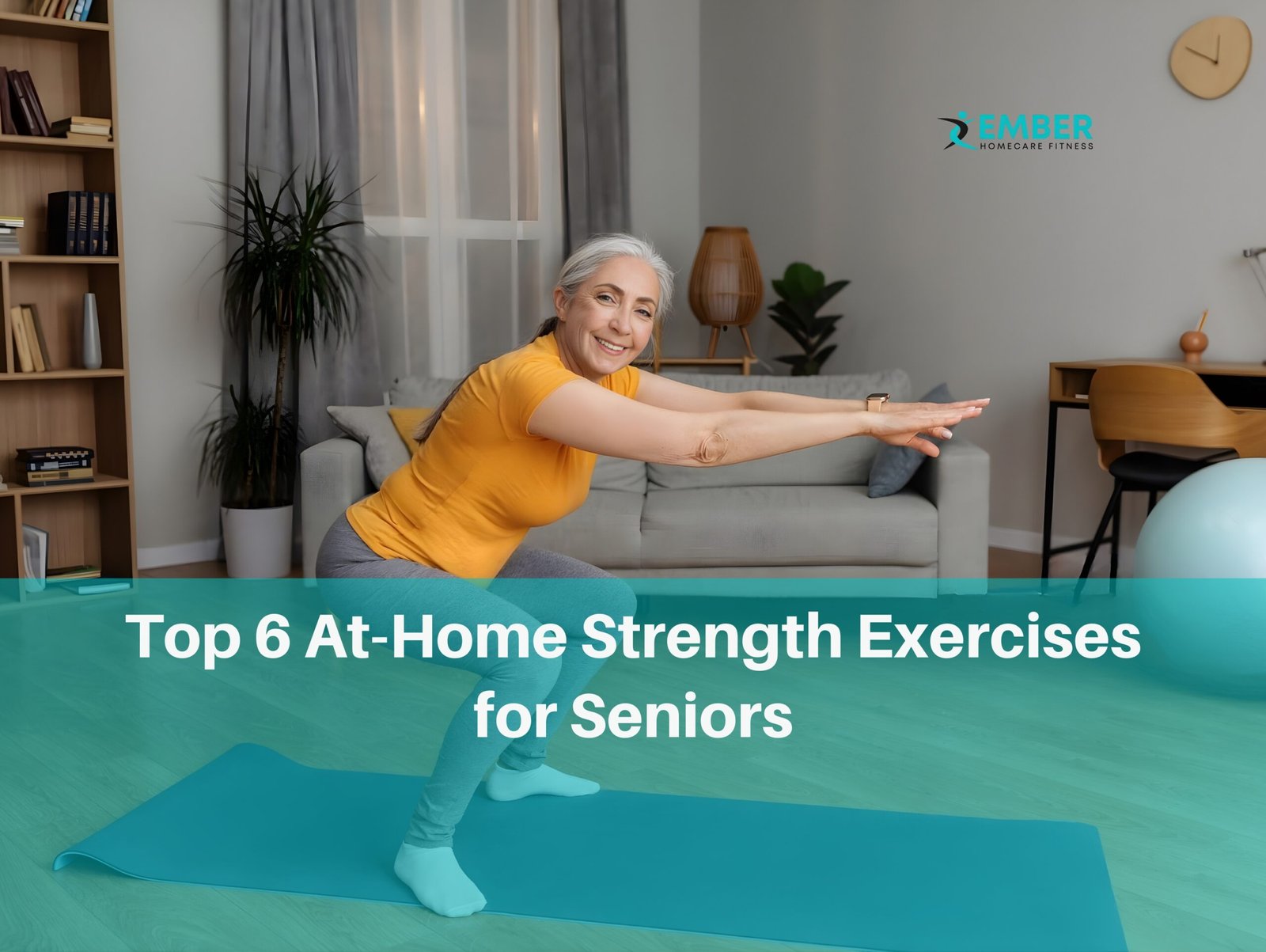
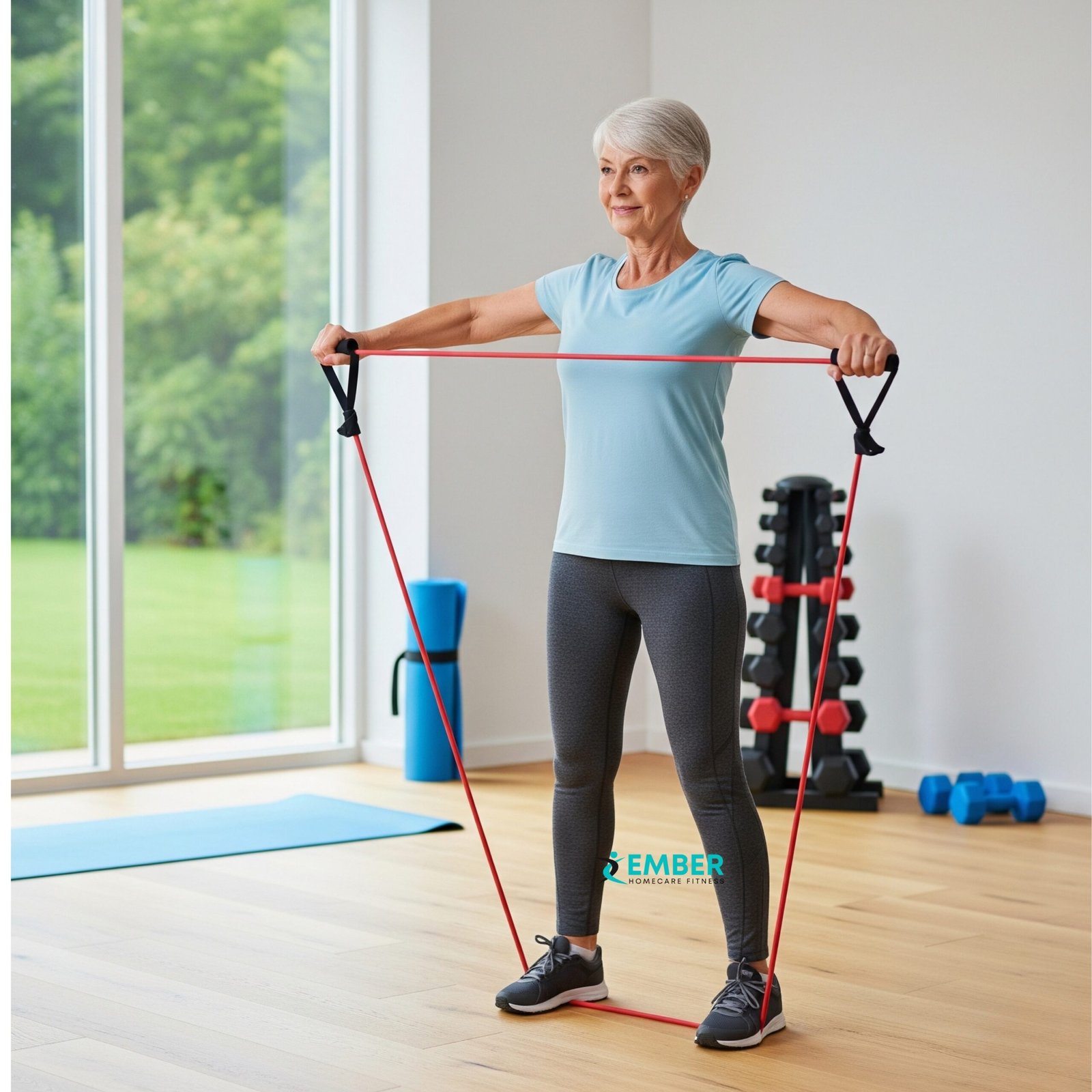
Exercise is crucial for bone health for seniors, but safety comes first. Some effective workouts include:
Weight-bearing exercises: Walking, light jogging, and stair climbing.
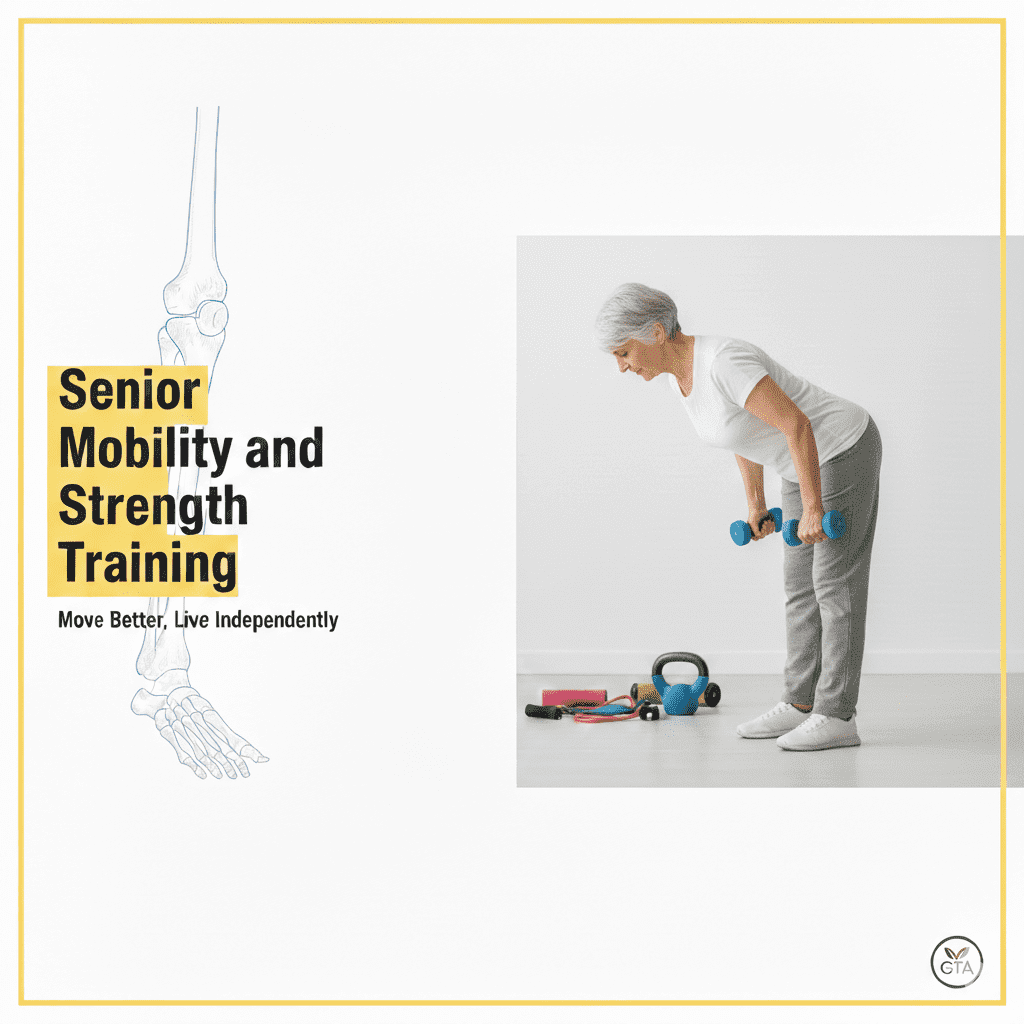
Strength training: Light resistance bands and bodyweight exercises.
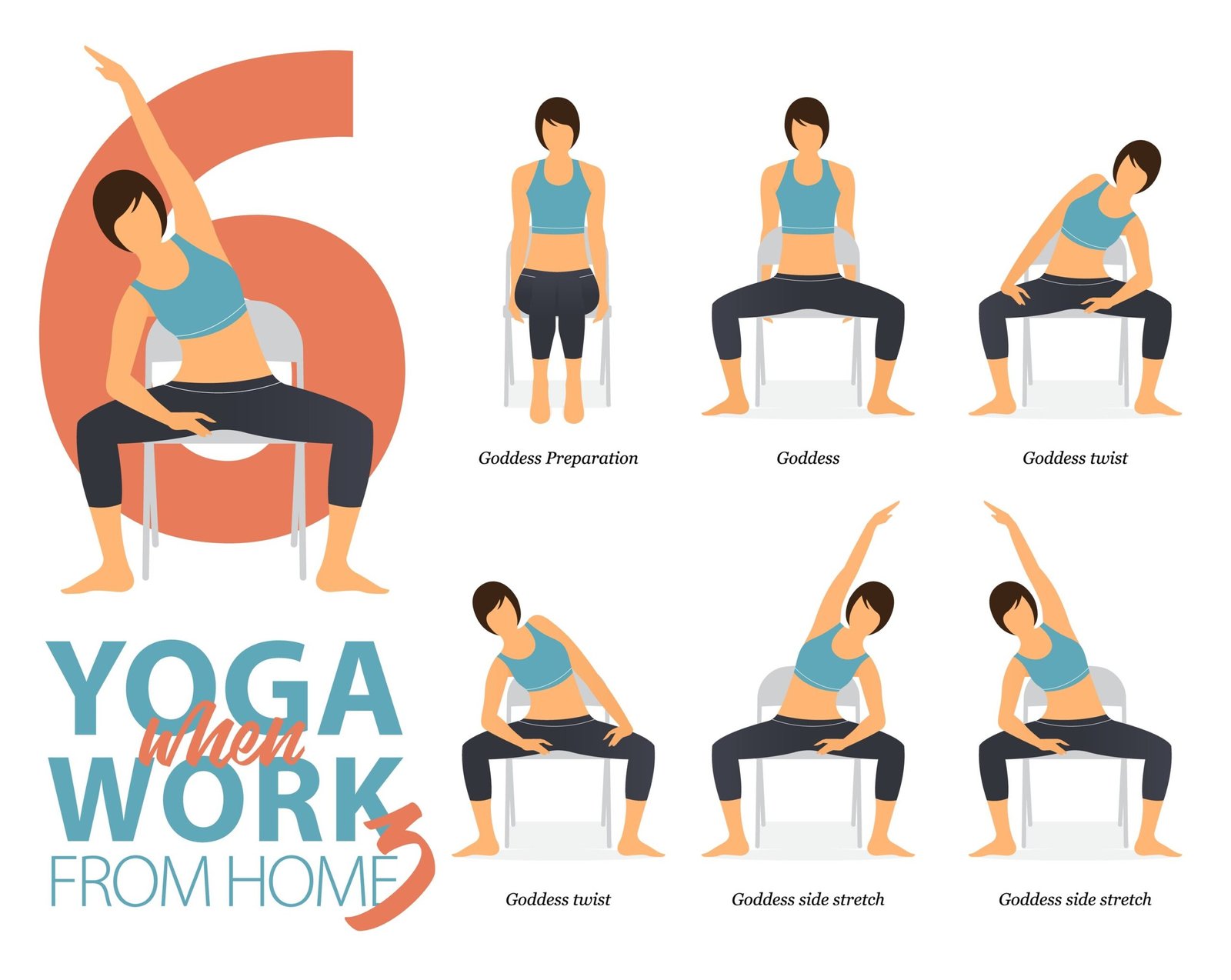
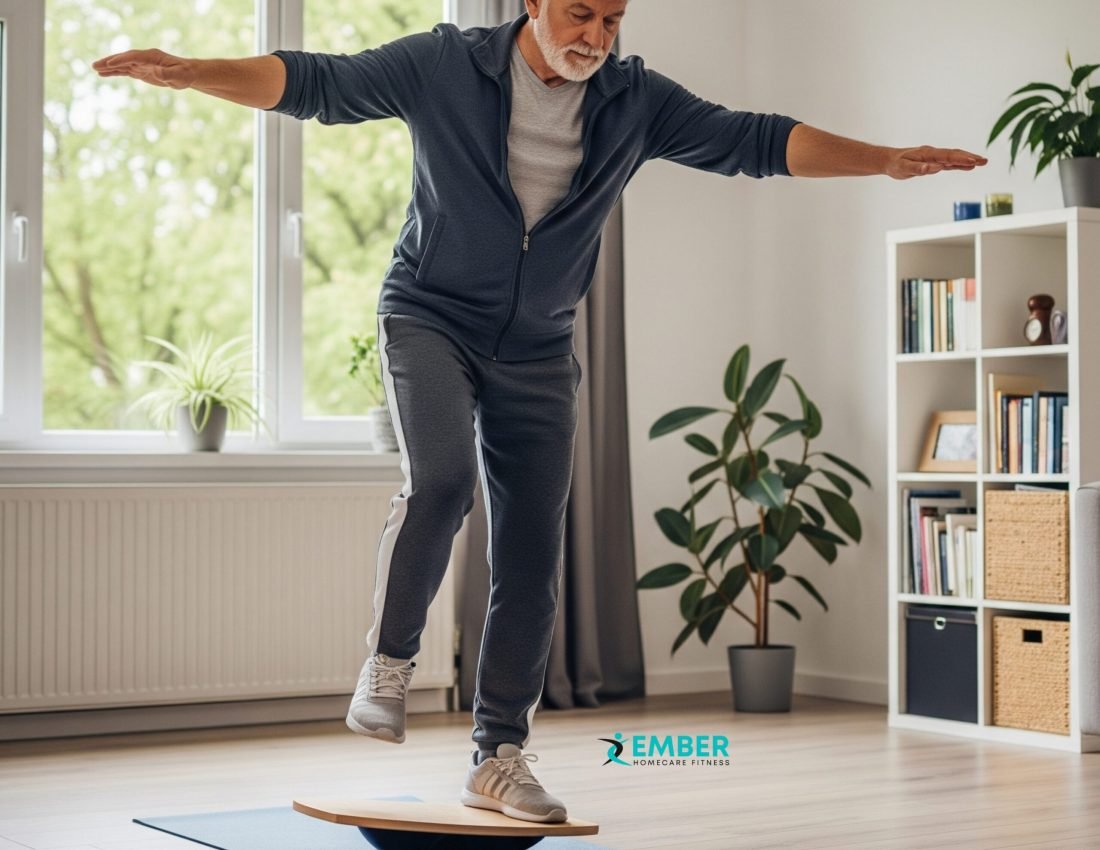
Balance training: Tai chi and yoga can help prevent falls.
Flexibility exercises: Gentle stretching to improve mobility.
It’s important to avoid high-impact or twisting movements that may increase fracture risk.
Fall Prevention and Safety Tips
Falls are the leading cause of fractures in seniors with osteoporosis. To reduce risk:
Remove loose rugs and clutter at home.
Install grab bars in bathrooms.
Ensure proper lighting in all rooms.
Wear supportive, non-slip shoes.
Use mobility aids if necessary.
Our Fall Prevention and Strength Building Program at Ember Fitness is designed to help seniors reduce fall risk through guided strength and balance training.
When to Seek Medical Help
Seniors should seek medical attention if they:
Experience sudden or severe back pain.
Notice significant height loss or posture changes.
Have frequent fractures or broken bones.
Are concerned about bone strength and overall bone health.
Final Thoughts
Osteoporosis in seniors is a serious but manageable condition. With the right mix of nutrition, exercise, lifestyle changes, and medical care, seniors can maintain bone health and reduce fracture risks.
At Ember Fitness, we provide safe and effective in-home personal training for seniors to help manage osteoporosis, improve balance, and strengthen bones. Our programs are customized to meet the unique needs of older adults.
👉 Ready to take charge of your bone health? Book an in-home consultation today or Contact Us