Senior fitness In The GTA ( greater Toronto area)
Across the Greater Toronto Area, from the bustling streets of Toronto to the peaceful neighborhoods of Milton, seniors share a powerful, common goal: to live a life that is not just longer, but healthier, more active, and fully independent. The key to unlocking this vibrant future isn’t a complex secret or a fleeting trend . it’s a consistent, balanced approach to fitness built on four unshakable pillars.
Many people believe that a daily walk is the gold standard for senior exercise. While a brisk walk is certainly beneficial, it’s only one piece of a much larger puzzle. To truly thrive, to build a body that can resist injury, and to prevent the common physical declines associated with aging, a comprehensive routine is non-negotiable.
Whether you live in Mississauga, Brampton, Oakville, Etobicoke, or North York, understanding these four pillars will empower you to take control of your health and build a resilient body for all the years to come. This is your ultimate guide to senior fitness in the GTA.
Senior Fitness in the GTA
Pillar 1: Strength - Your Body's Foundational Armor
If there were a true “fountain of youth” in the world of health and wellness, it would undoubtedly be strength training. It is the single most effective tool we have to slow down, and in some cases, reverse the physical decline that was once considered an inevitable part of aging.
After the age of 50, adults naturally begin to lose muscle mass at a rate of 1-2% per year, a condition known as sarcopenia. This gradual loss of muscle makes every daily task more difficult ,from carrying a bag of groceries in a Brampton supermarket to getting up from a low chair or climbing the stairs in an Etobicoke home.
Why Strength Truly Matters:
Combats Sarcopenia and Osteoporosis: Resistance training places mechanical stress on your muscles and bones. This stress is a powerful signal that tells your body to rebuild and get stronger. For muscles, this means increased size and force. For bones, it means increased density, which is your primary defense against the bone-thinning disease of osteoporosis and the devastating fractures it can cause.
Supercharges Your Metabolism: Muscle is metabolically active tissue. The more muscle you have, the more calories your body burns at rest. This makes maintaining a healthy weight significantly easier and helps to manage blood sugar levels, reducing the risk of type 2 diabetes.
Acts as Body Armor for Your Joints: When the muscles around a joint (like your knee or hip) are strong, they act as dynamic shock absorbers. They take the pressure and strain off the cartilage and ligaments, which can dramatically reduce the pain associated with arthritis. Strong leg and core muscles are also your primary stabilizers, providing the support you need to prevent falls.
Getting Started with Strength Training
The best part about strength training is that you don’t need a gym or fancy equipment. You can build a powerful foundation using just your body weight.
3 Essential Strength Exercises to Start Today:
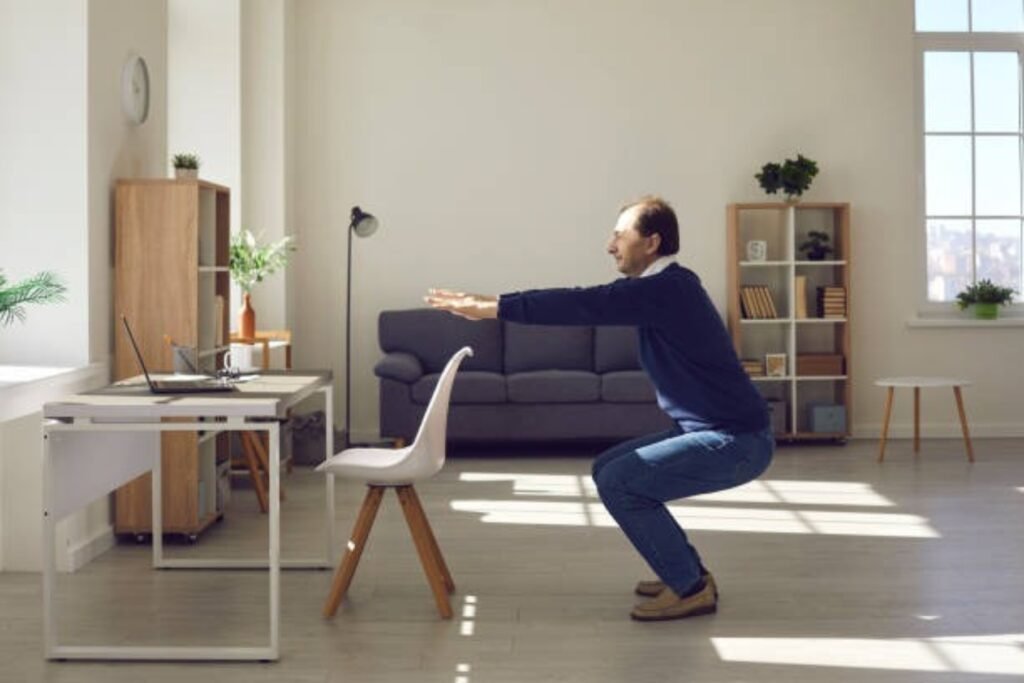
The Chair Squat: This is the king of functional exercises. It directly trains the motion of getting up and down from a seated position.
How to do it: Stand in front of a sturdy, non-wheeled chair. With your feet shoulder-width apart and your chest held high, slowly bend your knees and hips as if you’re about to sit down. Lower yourself until your bottom just taps the chair, then immediately press through your heels to stand back up.
Making it Progress: Start by doing 8-10 repetitions. As you get stronger, you can slow down the movement or try to stand up without using your hands for support.
Mistakes to Avoid: Don’t let your knees cave inward. Keep your chest up and your back straight throughout the movement.
The Wall Push-Up: A safe and effective way to build upper body strength in your chest, shoulders, and arms.
How to do it: Stand facing a wall, about arm’s length away. Place your palms flat on the wall, slightly wider than your shoulders. Keeping your body in a straight line from your head to your heels, slowly bend your elbows and lower your chest toward the wall. Push back to the starting position.
Making it Progress: To make it harder, simply step your feet further back from the wall.
Mistakes to Avoid: Avoid letting your hips sag. Keep your core engaged to maintain a straight line.
The Glute Bridge: This exercise is crucial for strengthening your glutes and lower back, which are essential for stable walking and climbing stairs.
How to do it: Lie on your back with your knees bent, feet flat on the floor, and arms by your sides. Squeeze your gluteal muscles and lift your hips off the floor until your body forms a straight line from your shoulders to your knees. Hold for 3 seconds, then slowly lower.
Making it Progress: Perform 10-12 repetitions. To increase the challenge, try a single-leg bridge by extending one leg while lifting your hips.
Mistakes to Avoid: Don’t arch your back excessively. The movement should come from your hips.
Senior Fitness in the GTA
Pillar 2: Balance - Your Unwavering Key to Fall Prevention
For an older adult, a fall can be a life-altering event, often leading to a loss of independence and a pervasive fear of movement. Proactive balance training is the single most effective way to prevent falls, building not just physical stability, but the confidence to move freely, whether you’re navigating a busy Toronto sidewalk, enjoying a festival in Mississauga, or simply walking through your North York home.
Balance is a complex skill that involves your eyes, inner ears, and proprioception, your body’s ability to sense its position in space through receptors in your muscles and joints. As we age, these systems can become less efficient, which is why actively training them is so critical.
Why Balance is a Non-Negotiable:
Directly Reduces Fall Risk: Falls are the leading cause of injury-related hospitalizations among Canadian seniors. Balance exercises train your body’s “reactive” muscles to fire quickly and keep you upright if you trip or stumble.
Improves Proprioception and Coordination: These exercises enhance the communication between your brain and your body, leading to smoother, more coordinated movements in all your daily activities.
Builds Confidence and Fights Fear: The fear of falling can create a vicious cycle, causing seniors to become more sedentary. A less active lifestyle leads to weaker muscles and poorer balance, which ironically increases the risk of a fall. Balance training breaks this cycle.
Getting Started with Balance Training
Safety is paramount. Always perform balance exercises near a sturdy counter, wall, or the back of a chair that you can hold onto for support.
3 Foundational Balance Exercises:
Single-Leg Stance: The cornerstone of balance training.
How to do it: Stand with your feet together, holding onto your support. Shift your weight onto one foot and slowly lift the other foot a few inches off the floor. Try to hold this position for 10 seconds, focusing on keeping your posture tall.
Making it Progress: Aim to hold for 30 seconds. As you get more stable, try holding on with just one finger, then no hands at all. For an advanced challenge, try closing your eyes for a few seconds.
Mistakes to Avoid: Don’t look at your feet. Keep your gaze fixed on a point in front of you to help maintain your stability.
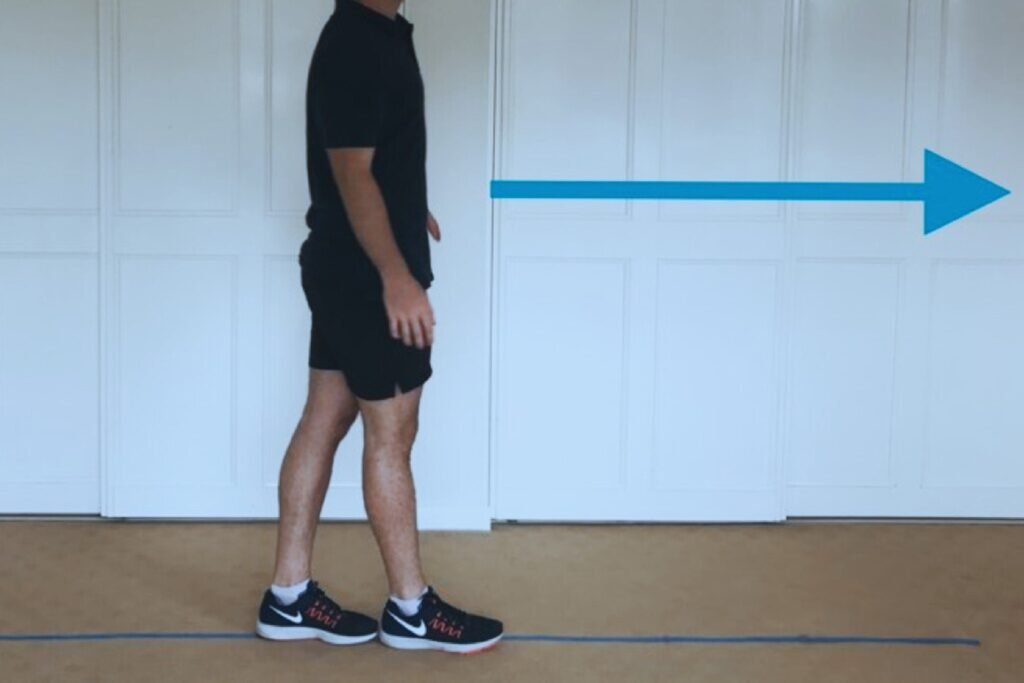
Tandem Stance (Heel-to-Toe): This exercise challenges your stability by narrowing your base of support.
How to do it: Stand with one hand on your support. Place the heel of one foot directly in front of the toes of the other, as if you were standing on a tightrope. Hold this position for 15-20 seconds.
Making it Progress: Once you’re comfortable, try walking in a straight line using the heel-to-toe pattern for 10 steps.
Mistakes to Avoid: Don’t rush. This is an exercise in control, not speed.
Clock Reach: This dynamic exercise improves stability while you are moving and reaching.
How to do it: Stand on your right leg, holding onto a support with your left hand. Imagine you are in the center of a clock. Keeping your standing knee slightly bent, reach your left arm forward to “12 o’clock,” then back to center. Then reach to the side for “3 o’clock,” and finally, reach behind you for “6 o’clock.”
Making it Progress: Perform 3-5 full “clock” patterns on each leg. To make it harder, try reaching with your foot instead of your arm.
Mistakes to Avoid: Keep your hips level and avoid leaning your torso excessively.
Senior Fitness in the GTA
Pillar 3: Flexibility & Mobility - Your Ticket to Moving Freely and Without Pain
Do you ever feel a deep stiffness in your back when you get out of bed in the morning? Or perhaps you find it harder to reach for something on a high shelf or look over your shoulder to check a blind spot while driving in Mississauga? These are signs that your flexibility and mobility could use attention. While often used interchangeably, they are slightly different:
Flexibility is the ability of your muscles to lengthen and stretch.
Mobility is the ability of your joints to move through their full, intended range of motion.
You need both to move efficiently and without pain. As we age, our muscles and connective tissues can become tighter and our joints can lose their lubrication, leading to that all-too-common feeling of stiffness.
Why Flexibility and Mobility are Essential:
Dramatically Reduces Pain and Stiffness: Regular stretching keeps your muscles supple and improves blood flow, which can significantly ease the aches and pains associated with arthritis and general inactivity.
Improves Posture and Reduces Back Pain: Tight hip flexors and chest muscles can pull your body into a stooped posture, leading to chronic lower back pain. Stretching these areas helps you stand taller and more comfortably.
Makes Daily Life Easier and Safer: Good mobility allows you to perform everyday tasks with ease—tying your shoes, getting in and out of a car, or playing with grandkids on the floor. It also improves your ability to react and move out of the way, preventing potential injuries.
Getting Started with Flexibility and Mobility
The best time to stretch is when your muscles are warm, such as after a short walk or at the end of your strength workout. Hold each stretch for 30 seconds and never bounce. The stretch should be gentle, not painful.
3 Key Stretches for Seniors:
Seated Hamstring Stretch: Targets the back of your thighs, which can get very tight from sitting.
How to do it: Sit on the edge of a sturdy chair. Extend one leg straight out in front of you with your heel on the floor and toes pointing up. Keeping your back straight, slowly lean forward from your hips until you feel a gentle stretch in the back of your extended leg.
Mistakes to Avoid: Don’t round your back. The goal is to hinge at the hips.
Doorway Chest Stretch: Opens up the chest and shoulders, combating a slouched posture.
How to do it: Stand in an open doorway. Place your forearms on the doorframe with your elbows slightly below shoulder height. Gently step one foot forward until you feel a stretch across your chest.
Mistakes to Avoid: Don’t push into pain. Keep the stretch gentle and controlled.
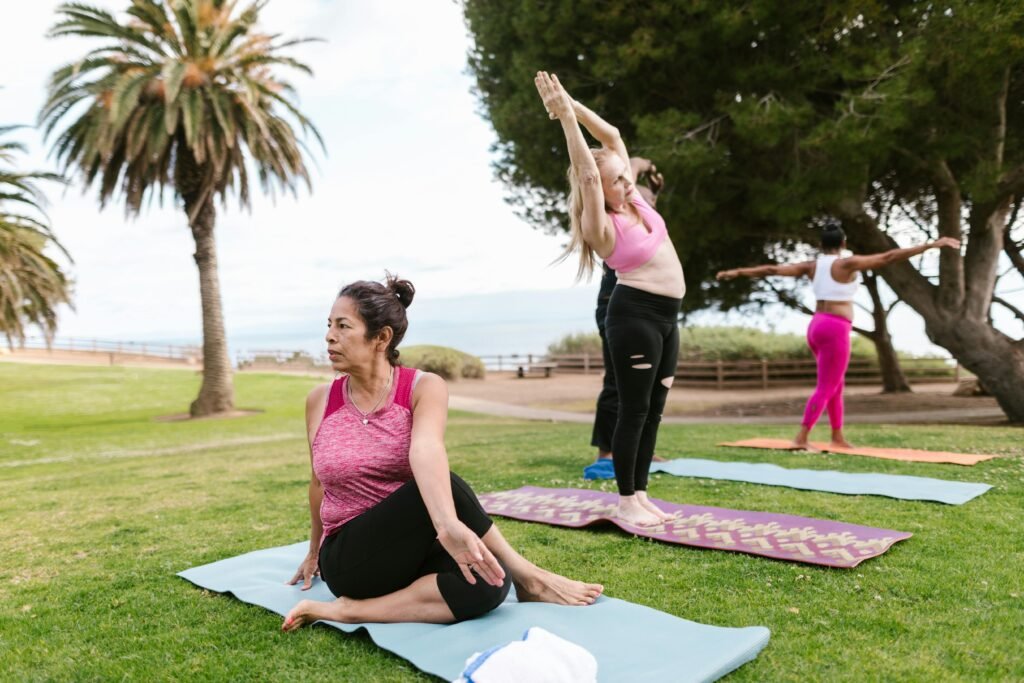
Cat-Cow Stretch (Seated or on All Fours): A fantastic mobility exercise for your entire spine.
How to do it (Seated): Sit in a chair with your feet flat on the floor. Place your hands on your knees. As you inhale, arch your back and look up toward the ceiling (Cow). As you exhale, round your spine, tuck your chin to your chest, and press your mid-back towards the chair (Cat).
Making it Progress: Repeat the cycle 8-10 times, moving with your breath.

Senior Fitness in the GTA
Pillar 4: Cardiovascular Endurance - Your Source of Heart Health and Lasting Energy
Cardiovascular fitness, or endurance, is the ability of your heart, lungs, and circulatory system to deliver oxygen-rich blood to your working muscles for sustained periods. It’s what gives you the stamina to play a full round of golf in Oakville, take a long, enjoyable walk along the Milton waterfront, or simply get through a busy day of errands without feeling exhausted.
Why Endurance is a Lifeline:
Strengthens Your Heart: Your heart is a muscle. Aerobic exercise makes it stronger and more efficient, so it doesn’t have to work as hard to pump blood. This is crucial for lowering blood pressure and preventing heart disease and stroke, the leading causes of death in Canada.
Boosts Energy and Fights Fatigue: It might seem counterintuitive, but expending energy through exercise actually increases your overall energy levels. It improves your body’s ability to use oxygen and enhances your sleep quality, leaving you feeling more rested and vibrant.
Elevates Mood and Sharpens Your Mind: Aerobic exercise is a powerful natural antidepressant. It releases endorphins, which have mood-lifting effects, and it increases blood flow to the brain, which can improve cognitive function and memory.
Getting Started with Endurance Training
The goal is to aim for at least 150 minutes of moderate-intensity activity per week. “Moderate intensity” means you can still hold a conversation, but you’re breathing noticeably heavier.
3 Great Ways to Build Endurance:
Brisk Walking: The most accessible form of cardio.
How to do it: Find a safe place like a local park or mall. Start with 10-minute walks and gradually increase your duration and pace. Focus on good posture and swinging your arms.
Making it Progress: Incorporate small hills or intervals of faster walking.
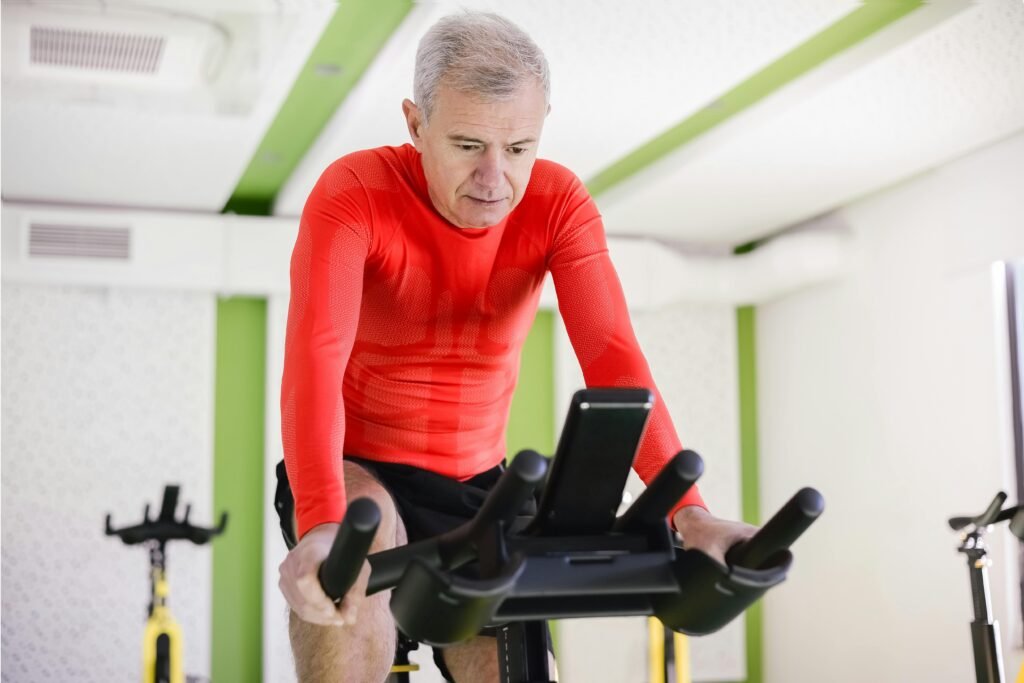
Stationary Cycling: A fantastic, low-impact option that is easy on the joints.
How to do it: Ensure the bike is set up correctly for your height. Start with no resistance and pedal at a comfortable pace for 15-20 minutes.
Making it Progress: Gradually increase the resistance or try intervals (e.g., 2 minutes of faster pedaling followed by 2 minutes of recovery).
Water Aerobics: The buoyancy of the water supports your body, making it the perfect choice for those with arthritis or joint pain.
How to do it: Look for classes at local community centers. The water provides natural resistance for a full-body workout.
Bringing It All Together: The Power of a Personalized Plan
Senior Fitness in the GTA
Understanding these four pillars is the first, most important step. But the true magic happens when you weave them together into a consistent, safe, and effective routine. This is where many people feel overwhelmed, and it’s where the expert guidance of an in-home personal trainer can be a game-changer.
At Ember Fitness, our certified senior fitness specialists come directly to your home, anywhere in Toronto, Mississauga, Brampton, Oakville, Etobicoke, North York, or Milton. We design a program that is 100% tailored to your unique goals, your current fitness level, and any health considerations you may have. We bring the necessary equipment, the expertise to ensure perfect form, and the motivation to keep you going.
We take the guesswork out of senior fitness in the GTA, ensuring you get a balanced workout that addresses all four pillars in the comfort, privacy, and safety of your own home.