Knee pain can be more than just an ache; it can be a barrier to living your life to the fullest. For many older adults, a knee replacement for seniors is the key to unlocking a future with less pain and more freedom. But the journey can seem daunting, filled with questions about preparation, the surgery itself, recovery, and what life looks like afterward.
This guide is your roadmap. We’ll walk you through every stage of the process, providing expert advice and practical tips to ensure your knee replacement for seniors is a resounding success, helping you get back to the activities you love right here in Mississauga and the GTA.

Table of Contents
- Is a Knee Replacement Right for You? Signs to Look For
- "Pre-hab": The Secret to a Faster Recovery
- Top 3 Exercises to Do Before Your Knee Replacement
- Preparing Your Home for a Safe Return
- The Surgery and Hospital Stay: What to Expect
- The First Few Weeks: Navigating Post-Surgery Recovery
- Beyond 6 Weeks: Rebuilding Strength and Regaining Independence
- Life After Knee Replacement: Getting Back to Your Hobbies
- Frequently Asked Questions (FAQ)
1. Is a Knee Replacement Right for You? Signs to Look For
Deciding on surgery is a major step. A knee replacement for seniors is typically recommended when conservative treatments like medication, injections, and physiotherapy no longer provide relief from severe osteoarthritis or joint damage.
You may want to consider surgery if you experience:
- Persistent pain that interferes with daily life or keeps you awake at night.
- Difficulty with simple activities such as walking, climbing stairs, or standing up from a chair.
- Knee stiffness and swelling that limits your mobility.
- A feeling that your knee is “giving out” or buckling when you move.
If these symptoms sound familiar, a consultation with an orthopedic surgeon is the next best step. They will perform physical exams, X-rays, and discuss whether surgery is the right choice for you.
2. "Pre-hab": The Secret to a Faster Recovery
One of the most crucial, yet often overlooked, stages of knee replacement for seniors is what you do before the surgery. “Pre-hab,” or pre-habilitation, involves strengthening the muscles around your knee before surgery takes place. Research shows that patients who engage in pre-hab recover faster and experience less pain.
Think of it as giving your leg a head start. Stronger quadriceps, hamstrings, and glutes provide better support for your new knee joint immediately after surgery, making it easier to stand, walk, and begin your rehabilitation exercises.
3. Top 3 Exercises to Do Before Your Knee Replacement
Always consult your doctor or a certified senior fitness specialist before starting any new exercise routine.
- Quad Sets: Sit on the floor with your surgical leg straight out. Press the back of your knee firmly into the floor, tightening your thigh muscles. Hold for 5 seconds, then relax. Repeat 10–15 times.
- Straight Leg Raises: Lie on your back. Bend your non-surgical leg. Keep your surgical leg straight and slowly raise it about 12 inches. Hold for 3–5 seconds, then lower. Repeat 10–12 times.
- Glute Squeezes: Lie on your back with knees bent. Squeeze your buttock muscles together tightly. Hold for 5 seconds, then relax. Repeat 10–15 times.

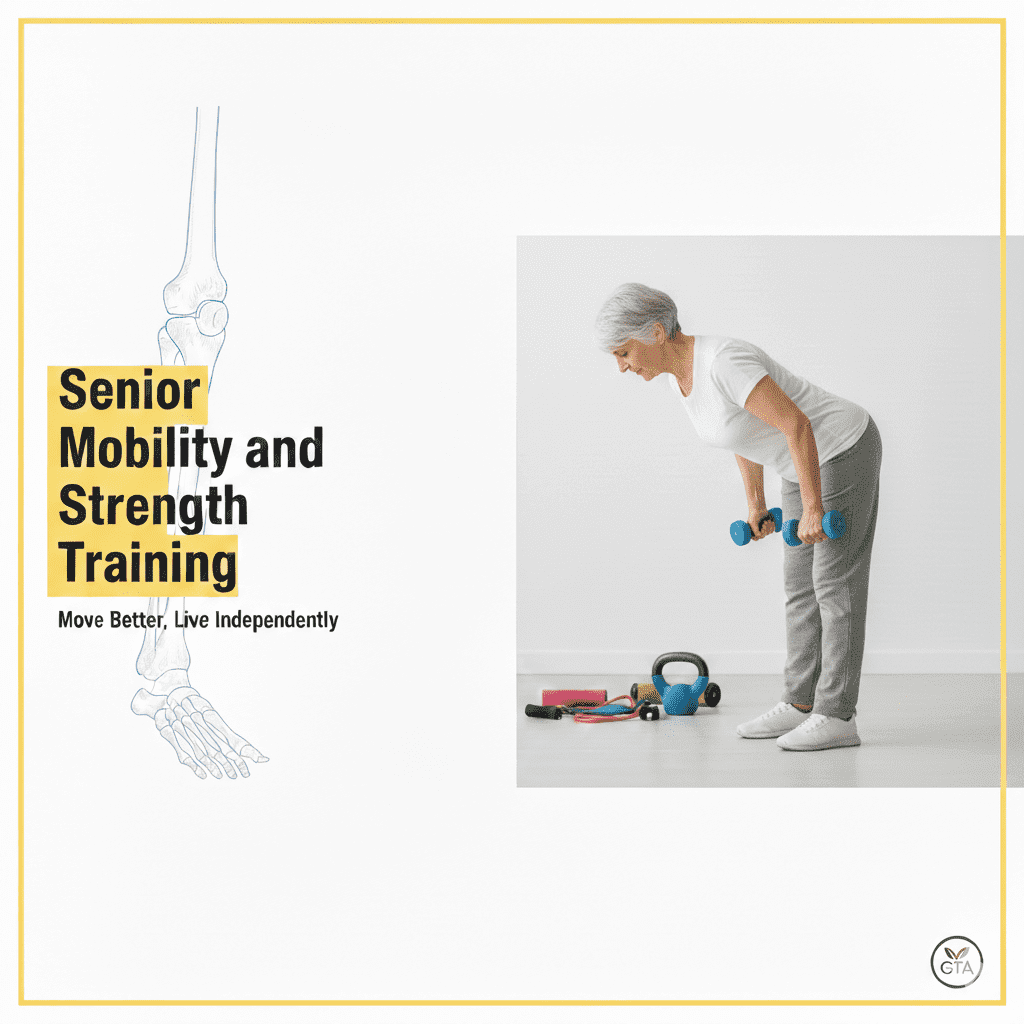
Senior performing pre-hab exercises for knee replacement preparation.
4. Preparing Your Home for a Safe Return
Your home environment plays a massive role in your recovery. A safe and well-prepared space can prevent falls, reduce stress, and help you focus on healing.
Your Recovery Zone Checklist:
- Create a main-floor living space to avoid stairs if possible.
- Remove tripping hazards like area rugs, cords, and clutter.
- Install safety tools like grab bars, a shower chair, and a raised toilet seat.
- Keep essentials (phone, remote, water, medications) within easy reach.
5. The Surgery and Hospital Stay: What to Expect
Knee replacement surgery typically takes 1–2 hours. You’ll likely stay in the hospital for 1–3 days. During this time, the focus will be on:
- Managing your pain effectively with medication and ice therapy.
- Getting you up and moving the same day as your surgery, if possible.
- Working with a physiotherapist who will teach you how to use a walker and guide your first exercises.
Most seniors find that starting movement early sets the stage for a smoother recovery.
6. The First Few Weeks: Navigating Post-Surgery Recovery
The first 2–6 weeks after surgery are critical for regaining mobility and preventing complications.
Managing Pain and Swelling
Follow your doctor’s instructions carefully. The “RICE” method is especially helpful:
- Rest: Avoid overexerting yourself.
- Ice: Apply ice packs for 20 minutes several times a day.
- Compression: Use your compression stocking as advised.
- Elevation: Keep your leg elevated above your heart when resting.
Safe Exercises After Knee Replacement
- Ankle Pumps: Move your feet up and down to promote circulation.
- Knee Bends (Heel Slides): While lying or sitting, slide your heel toward your buttocks, bending your knee as far as comfortable.
7. Beyond 6 Weeks: Rebuilding Strength and Regaining Independence
At this stage, your exercises will become more challenging. This is where working with a certified senior fitness specialist, like Ember Fitness trainers, can be invaluable. We guide you through advanced exercises tailored to your needs, ensuring safety and steady progress.
You’ll gradually transition from a walker to a cane, then to walking unassisted. Building balance, endurance, and strength will allow you to regain confidence and independence.
Advanced Exercises for Long-Term Success
- Stationary cycling to improve range of motion and stamina.
- Standing leg raises to rebuild strength.
- Light resistance band training for overall stability.
8. Life After Knee Replacement: Getting Back to Your Hobbies
By the 3–6 month mark, many seniors feel like themselves again. You can return to hobbies such as gardening, swimming, or walking in the park. Low-impact activities are strongly encouraged, while high-impact activities like running or jumping should be avoided to protect your new joint.
Many seniors in Mississauga have shared that after knee replacement, they regained not only mobility but also confidence and independence in their daily lives.
9. Frequently Asked Questions (FAQ)
Q: How long is the total recovery time for a senior’s knee replacement?
A: Most people resume light activities within 6 weeks, but it can take 6 months to a full year to feel completely recovered.
Q: When can I drive after my knee replacement?
A: Usually 4–6 weeks, depending on which knee was replaced and when you stop using strong pain medication. Always confirm with your surgeon.
Q: What is the best exercise after a knee replacement?
A: Stationary cycling, swimming, and water aerobics are excellent long-term options. They strengthen muscles without stressing the joint.
Q: Do I really need “pre-hab” exercises before my surgery?
A: Yes! Pre-hab is proven to improve outcomes, reduce pain, and speed recovery. Stronger legs going into surgery make recovery much smoother.
If you’re preparing for knee replacement in Mississauga or the GTA, Ember Fitness is here to support you with personalized in-home fitness programs designed for seniors. From pre-hab to recovery, we walk the journey with you.