Winter can be one of the most challenging seasons for seniors to stay active. Cold temperatures, icy sidewalks, shorter daylight hours, and seasonal fatigue often lead older adults to reduce movement, which can quickly impact strength, balance, and confidence.
That’s why in-home personal training for seniors in the winter is not just convenient, it’s one of the safest and most effective ways to stay active during colder months.
At Ember Fitness, we work with seniors across Mississauga and the Greater Toronto Area to maintain strength, mobility, and independence, all from the comfort and safety of home.
1. Winter Increases Fall Risk for Seniors
Icy walkways, snow-covered steps, and slippery parking lots significantly increase the risk of falls. For seniors, even a minor slip can lead to serious injury.
In-home personal training for seniors in the winter removes the need to:
Walk on icy sidewalks
Drive in poor weather conditions
Navigate crowded gyms
Instead, seniors can safely exercise indoors, reducing exposure to winter hazards while continuing regular movement.
2. Consistency Is Easier at Home During Winter
One of the biggest challenges of winter fitness for seniors is consistency. Cold weather often leads to missed sessions and long breaks from exercise.
In-home training helps seniors:
Stay consistent regardless of weather
Maintain a routine without travel stress
Keep momentum through the winter months
Consistency is key to preserving muscle strength, balance, and joint mobility during seasonal slowdowns.
3. Warm, Familiar Environments Improve Comfort
Exercising in a warm, familiar space makes a big difference, especially in winter.
Senior exercise at home offers:
Comfortable room temperature
Familiar surroundings
Reduced anxiety or intimidation
Easier access to seating and support
This comfort allows seniors to move more confidently and focus on proper form and breathing rather than external distractions.
4. Personalized Winter-Safe Exercise Programming
Winter often brings increased stiffness, joint discomfort, and reduced energy levels. A certified personal trainer for seniors at home can adjust workouts to meet seasonal needs.
Winter-appropriate programs often include:
Gentle warm-up routines
Balance-focused exercises
Joint mobility and flexibility work
Strength exercises to support daily tasks
Programs are adapted weekly based on how the senior feels, ensuring safety and progress without overexertion.
Learn more about our approach.. here
5. In-Home Training Supports Fall Prevention in Winter
Strong legs, stable hips, and good balance are essential for navigating winter conditions indoors and outdoors.
Fall prevention for seniors in winter focuses on:
Lower-body strength
Core stability
Balance awareness
Reaction time
In-home training addresses all these areas in a controlled, safe environment, helping seniors feel more confident even when winter conditions are challenging.
6. Mental Health and Motivation Matter More in Winter
Shorter days and less sunlight can affect mood and motivation. Many seniors experience lower energy or isolation during winter months.
Regular in-home training provides:
Social interaction
Structured weekly routine
Motivation and accountability
Improved mood through movement
Exercise has proven benefits for mental well-being, making senior exercise at home especially valuable in winter.
7. No Equipment or Gym Membership Needed
One of the biggest advantages of in-home training is simplicity.
Most winter-friendly senior programs use:
Bodyweight exercises
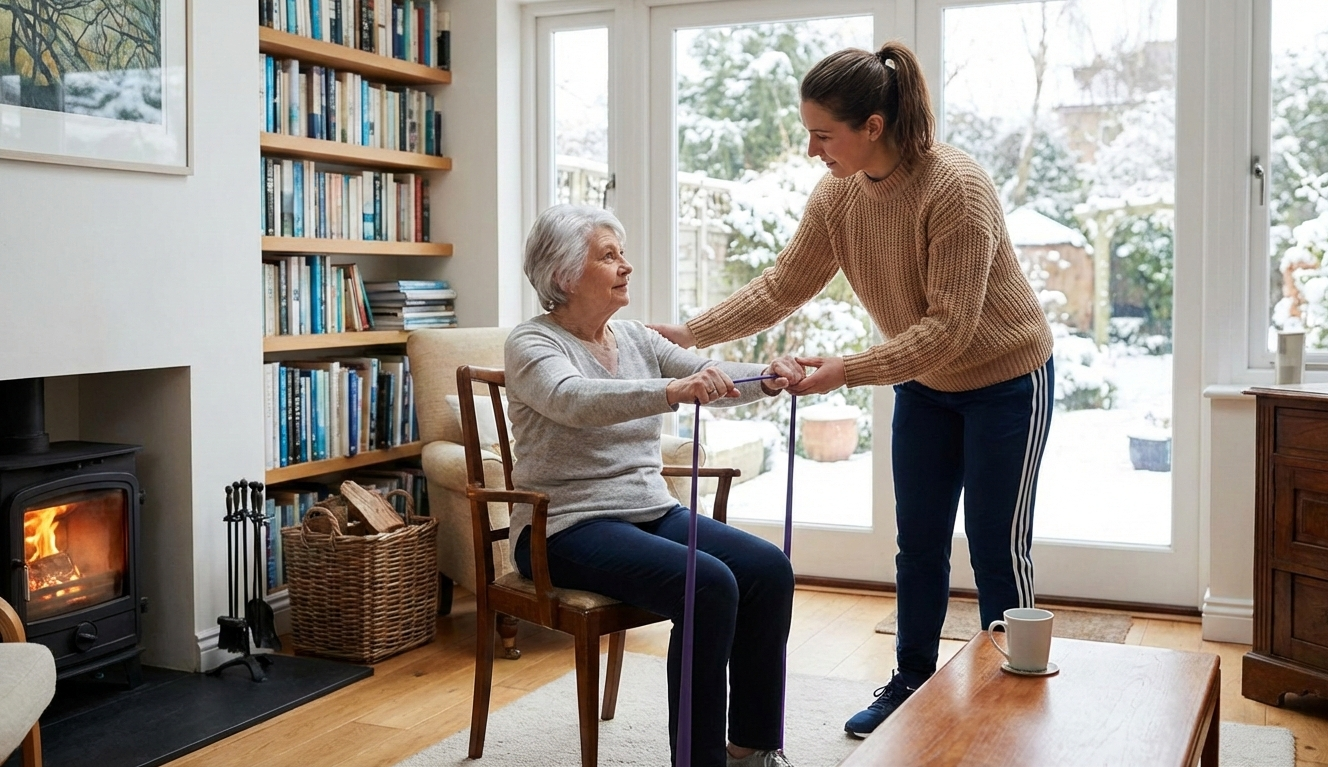
Chairs or walls for support
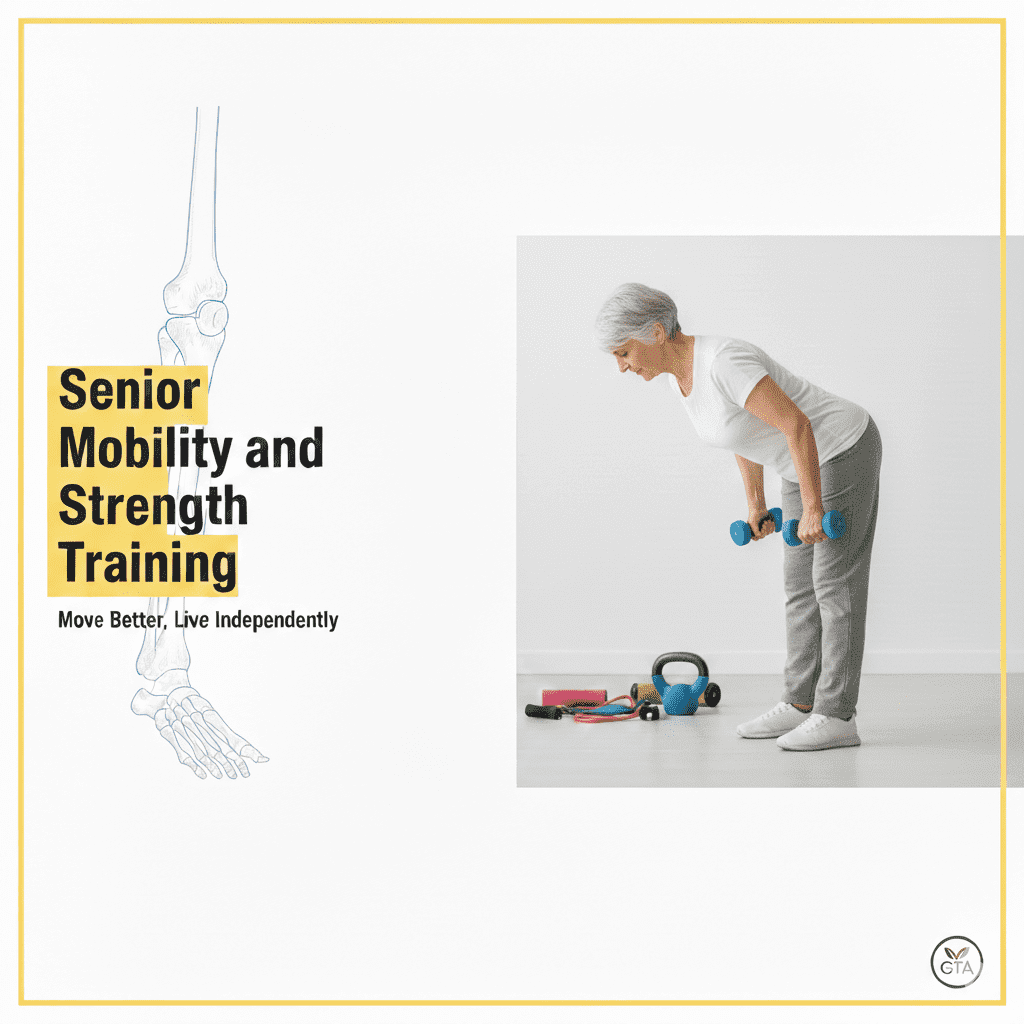
Light dumbbells or resistance bands
This makes training accessible, cost-effective, and easy to maintain year-round.
Who Benefits Most From In-Home Winter Training?
This approach is ideal for:
Seniors who avoid winter travel
Older adults concerned about falls
Individuals managing joint stiffness
Seniors wanting to stay active year-round
Anyone seeking safe, personalized guidance
For recovery-focused needs, explore: Learn More.
Frequently Asked Questions
Is winter exercise safe for seniors?
How often should seniors train during winter?
Do seniors need special equipment?
Can in-home training help with stiffness?
Winter doesn’t have to mean slowing down.
With in-home personal training for seniors in the winter, older adults can stay strong, balanced, and confident, without risking icy travel or harsh weather conditions.
By training at home, seniors maintain independence, reduce fall risk, and support both physical and mental well-being throughout the coldest months of the year.
To get started safely and comfortably,