Staying properly hydrated is vital at every age, but for seniors, water plays an even more essential role in maintaining health, energy, and independence. As we grow older, our bodies undergo changes that affect hydration levels, making seniors more vulnerable to dehydration. From maintaining cognitive function to supporting joint health, water is a critical piece of senior wellness that is often overlooked.
In this guide, we’ll explore why hydration is so important for seniors, the risks of dehydration, signs to watch for, hydrating foods and drinks, and practical tips to stay hydrated daily.
Why Hydration Matters More as We Age
Water is involved in nearly every bodily function, including regulating body temperature, lubricating joints, protecting organs, transporting nutrients, and removing waste. While this is true for everyone, older adults face unique challenges when it comes to hydration:
Reduced Thirst Sensation: Seniors often don’t feel thirsty, even when the body needs fluids.
Medication Side Effects: Some prescriptions (like diuretics or laxatives) increase fluid loss.
Age-Related Changes: Kidney function declines with age, reducing the ability to conserve water.
Mobility Issues: Seniors with limited mobility may drink less water to avoid frequent trips to the bathroom.
Without enough water, the risk of dehydration-related health complications increases dramatically.

Health Benefits of Staying Hydrated for Seniors
1. Improved Brain Function and Mood
Even mild dehydration can impair memory, focus, and alertness. Research from the National Institutes of Health (NIH) shows that seniors who stay hydrated have better cognitive performance and are less likely to experience confusion or dizziness.
👉 Related Read: How to Improve Cognitive Function
2. Better Joint and Muscle Health
Water lubricates the joints and keeps muscles working efficiently. Dehydrated muscles are more prone to cramps, weakness, and injury—issues that can make mobility harder for seniors.
👉 Explore our Flexibility and Mobility Training programs.
3. Digestive Health and Regularity
Adequate water intake prevents constipation, a common concern among seniors. It also supports proper nutrient absorption.
4. Healthy Heart and Blood Pressure
Water helps maintain healthy circulation and blood pressure. Dehydration thickens the blood, making the heart work harder.
5. Stronger Immune System
Hydration supports the immune system by helping transport oxygen and nutrients that fight off illnesses.

Risks of Dehydration in Seniors
Dehydration in older adults can lead to serious consequences if ignored. Some of the biggest risks include:
Urinary Tract Infections (UTIs)
Kidney Stones or Kidney Damage
Constipation
Falls due to Dizziness or Weakness
Confusion or Cognitive Decline
Hospitalization for Severe Dehydration
According to the Centers for Disease Control and Prevention (CDC), seniors are among the most vulnerable age groups when it comes to dehydration-related hospital visits.
Signs and Symptoms of Dehydration in Seniors
Since thirst isn’t always a reliable indicator, caregivers and seniors should watch for early warning signs, such as:
Dry mouth or cracked lips
Dark yellow urine or infrequent urination
Dizziness or confusion
Headaches
Fatigue or weakness
Sunken eyes or dry skin
If dehydration becomes severe, it can cause rapid heartbeat, low blood pressure, or even fainting conditions that require immediate medical care.
Hydrating Foods and Beverages for Seniors
Water isn’t the only way to stay hydrated. Seniors can also benefit from water-rich foods and healthy beverages:
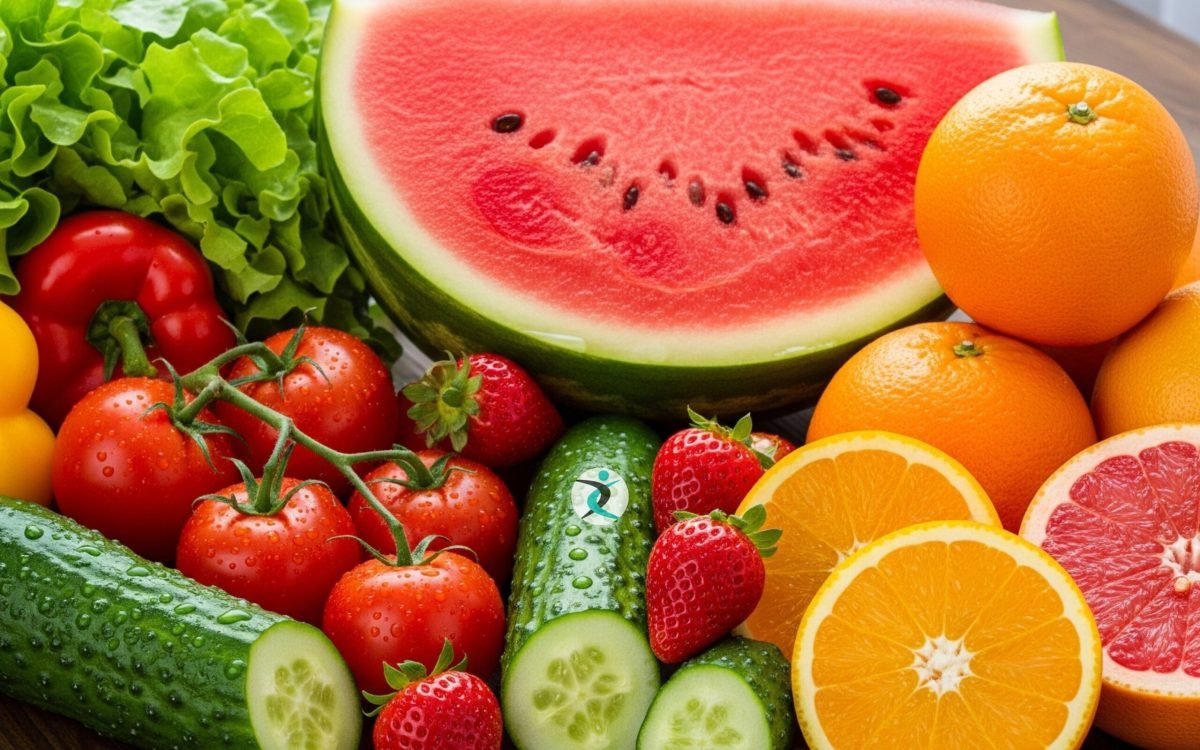
Fruits: Watermelon, oranges, strawberries, grapes, and cantaloupe
Vegetables: Cucumbers, celery, zucchini, and lettuce
Soups & Broths: Low-sodium soups can provide hydration and nutrition
Herbal Teas: Naturally hydrating and caffeine-free
Milk: Provides hydration along with calcium and vitamin D for bone health
Tips for Seniors to Stay Hydrated
Here are some simple yet effective strategies to improve daily hydration:
Set a Routine: Drink water at the same times every day (e.g., with each meal).
Use Reminders: Set alarms or use hydration apps for regular drinking reminders.
Carry a Reusable Water Bottle: Keep it nearby to encourage sipping throughout the day.
Flavor Water Naturally: Add slices of lemon, cucumber, or berries to make water more appealing.
Incorporate Hydrating Foods: Add fruits and vegetables to meals and snacks.
Choose Smaller Portions More Often: Encourage sipping rather than large gulps.
Check Urine Color: Pale yellow is a good indicator of proper hydration.
👉 Want personalized support? Learn more about our Nutrition and Wellness Coaching.
How Much Water Should Seniors Drink Daily?
The general guideline is about 8 – 10 cups (2–2.5 liters) of fluids per day, though needs vary depending on activity level, medications, and health conditions. The Mayo Clinic recommends adjusting based on climate and physical activity.
Caregivers should ensure seniors drink consistently, even if they don’t feel thirsty.
Practical Hydration Tips for Caregivers
Caregivers play a big role in helping seniors maintain hydration:
Offer small amounts of water frequently.
Track daily fluid intake with a simple checklist.
Make hydration part of social activities, like tea time or fruit snacks.
Encourage seniors to eat hydrating foods.
Watch closely for dehydration signs, especially during hot weather or illness.
Conclusion
Water truly is the foundation of good health especially for seniors. Staying hydrated supports cognitive health, prevents falls, strengthens the immune system, and helps maintain overall independence. By drinking water regularly, eating hydrating foods, and paying attention to signs of dehydration, seniors can enjoy a healthier, safer, and more active lifestyle.
👉 Ready to support your health journey? Book a session with our In-Home Senior Personal Training programs today.