Introduction to Arthritis and Its Impact on Seniors
Arthritis is a prevalent condition primarily impacting the joints, leading to pain, stiffness, and swelling. This condition is especially common among seniors, as the aging process naturally contributes to joint wear and tear. There are over 100 types of arthritis, with osteoarthritis and rheumatoid arthritis being the most common forms affecting older adults. While osteoarthritis results from the breakdown of cartilage cushioning the joints, rheumatoid arthritis is an autoimmune disorder causing inflammation in joint linings.
The impact of arthritis on seniors can be significant, often diminishing their quality of life. Chronic pain and restricted joint mobility can hinder daily tasks, such as walking, dressing, or even gripping objects. This decreased mobility may lead to reduced physical activity, potentially compounding other health issues like obesity, heart disease, or diabetes. Furthermore, persistent pain and discomfort may contribute to emotional challenges, such as depression or anxiety.
Arthritis affects different joints, with common sites including the knees, hips, hands, and lower back. For seniors, the condition may exacerbate falls or injuries due to reduced stability and flexibility. Managing arthritis typically involves a combination of medical treatments, lifestyle changes, and exercise to reduce symptoms and maintain mobility.
Exercise plays a vital role in this regard, as it strengthens the muscles supporting joints, improves flexibility, and promotes overall well-being. Incorporating appropriate physical activities into daily routines enables seniors to manage their symptoms and regain a sense of independence in their lives. Understanding arthritis and its effects is crucial for implementing effective strategies to alleviate discomfort and enhance joint health.
Benefits of Exercise for Arthritis Pain Relief
Exercise plays a significant role in managing arthritis pain and improving joint health. Regular physical activity is essential for maintaining mobility, strengthening muscles, and enhancing overall well-being. Seniors with arthritis can reap numerous benefits from incorporating appropriate exercises into their routine.
Improved Joint Function
Engaging in exercise helps to maintain and improve joint function. It boosts circulation, providing important nutrients to cartilage and promoting joint lubrication. Proper movement reduces stiffness, especially in the morning or after periods of inactivity.
Reduced Pain and Inflammation
Studies have shown that moderate exercise can lower inflammation levels within the body. By enhancing blood flow and releasing endorphins, movement helps alleviate pain associated with arthritis. Low-impact exercises, such as walking and swimming, are particularly effective for pain relief.
Strengthened Muscles
Exercise strengthens the muscles surrounding arthritic joints, offering better support and stability. Stronger muscles reduce stress on joints, diminishing the risk of injury and further deterioration. Muscle strengthening activities like resistance training are especially beneficial.
Improved Flexibility and Range of Motion
Stretching and flexibility exercises increase the range of motion and lessen stiffness around affected joints. These movements help seniors perform daily activities with greater ease and less discomfort. Yoga and simple stretches are popular choices for improving flexibility.
Enhanced Mood and Mental Health
Physical activity boosts mood by releasing feel-good hormones known as endorphins. Seniors who exercise regularly often report better mental health, reduced stress, and decreased anxiety related to arthritis pain. Exercise contributes to a positive outlook during challenging times.
Weight Management
Maintaining a healthy weight is crucial for reducing strain on joints. Exercise aids seniors in managing weight, lowering the risk of excessive pressure on hips, knees, and spine. Weight management not only decreases arthritis pain but also enhances overall joint health.
Better Sleep Quality
Arthritis pain can disrupt sleep patterns, but consistent exercise often improves sleep quality. It reduces restlessness and fosters relaxation, easing the symptoms that might keep seniors awake.
Regular exercise tailored to individual needs provides lasting pain relief and contributes to a healthier lifestyle.
Key Considerations Before Starting an Exercise Routine
Seniors considering exercise routines to manage arthritis pain should take certain factors into account to ensure safety and effectiveness. Proper planning and understanding individual needs are essential.
Consult a Healthcare Professional
Before beginning any exercise routine, it is important to consult with a physician or physical therapist. They can provide guidance specific to individual health conditions and recommend exercises tailored to reduce arthritis symptoms without exacerbating pain or causing injury. A professional consultation ensures proper alignment with medical advice.
Understand Personal Limitations
Awareness of current physical ability and fitness level is crucial when starting a new routine. Factors such as joint stiffness, pain levels, and mobility restrictions should influence the choice of exercises. Ignoring these limitations may lead to overexertion or injury.
Start Slow and Gradual
Gradual progression is key for seniors. Begin exercises with low intensity and avoid rapid increases in duration or difficulty. This approach allows the body to adapt and minimizes strain on joints affected by arthritis.
Choose Low-Impact Exercises
Low-impact activities are most suitable for individuals with arthritis as they place less stress on joints. Engaging in exercises like swimming, yoga, or walking can help improve flexibility and reduce joint pain without causing additional discomfort.
Invest in Proper Equipment
Using supportive footwear and comfortable clothing can greatly enhance safety and effectiveness. Equipment such as yoga mats or resistance bands should be appropriate and non-slip to prevent accidents during workouts.
Prioritize Warm-Up and Cool-Down
Incorporating a warm-up routine before exercising and cooling down afterward is vital. These practices prevent joint stiffness, promote blood flow, and prepare the body for physical activity.
Listen to the Body
Paying attention to how the body responds during and after exercises is essential. If pain increases or unusual symptoms occur, it may be necessary to modify the routine or seek professional advice.
Gentle Stretching Exercises to Improve Flexibility
Gentle stretching exercises are essential for seniors managing arthritis pain, as they help maintain range of motion and improve overall flexibility. Regular stretching can reduce joint stiffness and enhance mobility, making daily activities more achievable and less painful. These exercises are non-strenuous, which minimizes the risk of aggravating inflamed joints while providing relief.
Neck Stretch
The neck stretch eases tension and stiffness in the neck and shoulder region.
- Sit upright in a chair with your feet flat on the ground.
- Slowly tilt your head to one side, bringing your ear closer to your shoulder, and hold for 10–15 seconds.
- Return to the starting position and repeat on the other side.
Wrist Flexor Stretch
This stretch alleviates tension in the wrists and fingers commonly associated with arthritis.
- Stretch one arm out with the palm facing upward.
- Use the opposite hand to gently pull the fingers back toward the body.
- Hold the stretch for 20–30 seconds, then switch hands.
Shoulder Rolls
Shoulder rolls promote joint mobility and help relieve stiffness in the shoulders.
- Sit or stand in a relaxed position.
- Rotate your shoulders forward in a circular motion for 10 seconds.
- Reverse the direction and rotate backward for another 10 seconds.
Hamstring Stretch
Improving flexibility in the hamstrings can aid in walking and other lower body movements.
- Sit on the edge of a sturdy chair with one leg extended straight out with the heel on the floor.
- Slightly lean forward from the hips, keeping your back straight.
- Hold the stretch for 15–30 seconds, then switch legs.
Tips for Safe Stretching
- Warm up the body with light movements such as marching in place before beginning.
- Avoid bouncing or forcing joints into uncomfortable positions; move gently and deliberately.
- Perform stretches in a controlled manner and avoid straining.
With consistency, these gentle movements can lead to improved joint function and greater independence.
Low-Impact Aerobic Exercises for Joint Health
Engaging in low-impact aerobic exercises is a safe and effective way for seniors with arthritis to improve cardiovascular health while reducing strain on their joints. These exercises promote blood circulation, strengthen the muscles surrounding joints, and reduce stiffness. Unlike high-impact activities, these exercises minimize the risk of joint pain or injury, making them ideal for those managing arthritis pain.
Aquatic Exercises
Exercises performed in water, such as swimming or water aerobics, are particularly advantageous. The buoyancy of water supports the body, relieving joint pressure and allowing for a greater range of motion. Water also provides gentle resistance, which can help to increase strength without causing discomfort. These activities are excellent for improving flexibility, endurance, and overall joint health.
Stationary Cycling
Using a stationary bike is another effective low-impact aerobic activity. This exercise targets the lower body while putting minimal stress on the hips, knees, and ankles. It allows seniors to maintain mobility in these joints and improve cardiovascular fitness simultaneously. Adjustable resistance settings on most stationary bikes provide customizable options to match individual comfort levels.
Walking
Walking is one of the simplest and most accessible aerobic exercises. It encourages joint mobility, reduces joint stiffness, and enhances mood through gentle movement. Opting for softer surfaces, such as grassy trails, can further reduce the impact on the joints. Regular walking sessions of at least 20–30 minutes can contribute significantly to maintaining joint health.
Benefits of Consistency
Sticking to a routine with low-impact aerobic exercises can help reduce inflammation and ease arthritis symptoms over time. It is important to engage in these activities consistently while listening to the body’s limits to prevent overexertion. Consulting a healthcare provider before starting any new fitness routine is highly recommended. These exercises can aid both joint health and overall wellness, enabling seniors to manage arthritic discomfort effectively.
Strength Training to Support Joint Stability
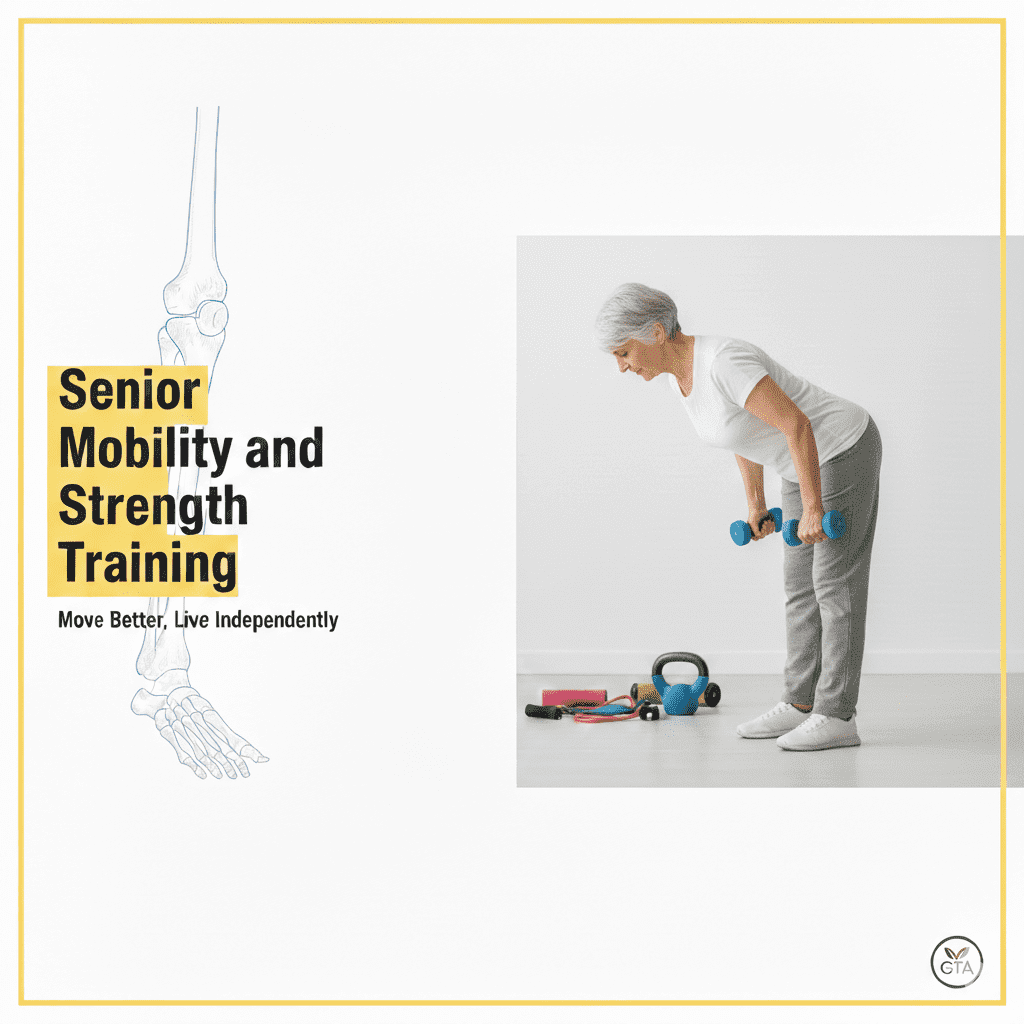
Strength training is essential for seniors dealing with arthritis as it helps enhance muscle strength, which in turn supports joint stability and reduces strain on arthritic joints. Incorporating exercises that build muscle strength can improve physical function and ease arthritis symptoms. The focus should be on low-impact, controlled movements that minimize joint stress while maximizing benefits.
Benefits of Strength Training
Engaging in strength training offers several benefits to those managing arthritis:
- Improved joint stability: Stronger muscles increase support around joints, reducing the risk of injury.
- Reduced pain and stiffness: Strengthening surrounding muscles helps alleviate the discomfort caused by arthritis.
- Enhanced mobility: Greater muscle strength contributes to better posture and balance, easing everyday movements.
- Increased bone density: Resistance training promotes bone health, which can be particularly beneficial for aging individuals.
Suggested Strength Training Exercises
Here are some effective strength training exercises for seniors with arthritis. These exercises should be performed with proper form and under the guidance of a professional, if necessary:
Seated Leg Lifts:
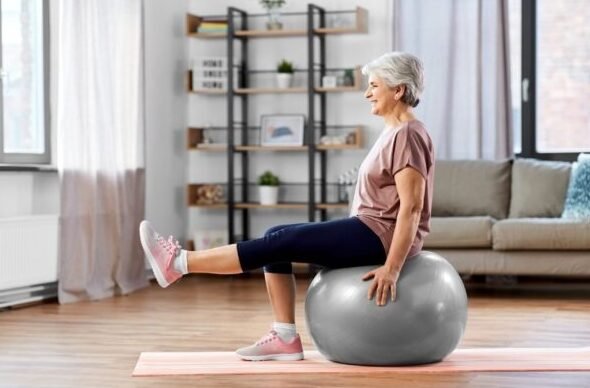
Sit on a sturdy chair with your back straight. Slowly lift one leg until it is parallel to the floor. Hold for a few seconds, then lower and repeat with the other leg.Wall Push-Ups:
Stand a few feet from a wall, place your palms flat on the wall at shoulder height, and bend your elbows to bring your chest closer to the wall. Push back to the starting position.Bicep Curls Using Light Weights:
Hold light dumbbells, keep your elbows close to your torso, and slowly curl the weights toward your shoulders, then lower them back down.Chair Squats:
While sitting on a sturdy chair, push through your heels to stand up slowly. Lower yourself back down gently, ensuring proper alignment and control.Ankle Circles for Lower Body Stability:
While seated, extend one leg and perform circular motions with your ankle to improve lower limb mobility and strength.
Precautions to Consider
- Always consult a healthcare provider before beginning any exercise routine, especially when managing arthritis.
- Avoid overexertion and use light resistance or body weight to start.
- Perform exercises in a controlled manner, focusing on proper form and avoiding abrupt movements.
- Incorporate rest between strength training sessions to allow muscles to recover.
Staying consistent with these exercises can help improve quality of life for seniors, fostering better joint health and overall well-being.
Water-Based Exercises for Low-Impact Relief
Water-based exercises provide an effective and gentle way for seniors to manage arthritis pain. The buoyancy of water supports the body, reducing the impact on joints while allowing for safe and comfortable movement. This environment encourages better range of motion and promotes flexibility without the risk of placing undue stress on sensitive areas.
One noteworthy advantage of water-based exercises is their ability to ease stiffness. The warm water used in many aquatic therapy pools can relax muscles, improve circulation, and help reduce inflammation in the joints. These benefits are particularly important for seniors who may experience chronic pain caused by conditions like osteoarthritis or rheumatoid arthritis.
Different water exercises can target various areas of the body to improve strength and mobility. Some examples include:
- Water Walking: This simple activity builds leg strength and enhances balance. Walking forward and backward in the water works to both stretch and strengthen muscles.
- Aquatic Aerobics: Light aerobic movements, such as leg lifts, arm circles, and side steps, provide both cardiovascular and joint relief benefits.
- Swimming: As a full-body workout, swimming encourages smooth joint motion and strengthens multiple muscle groups simultaneously.
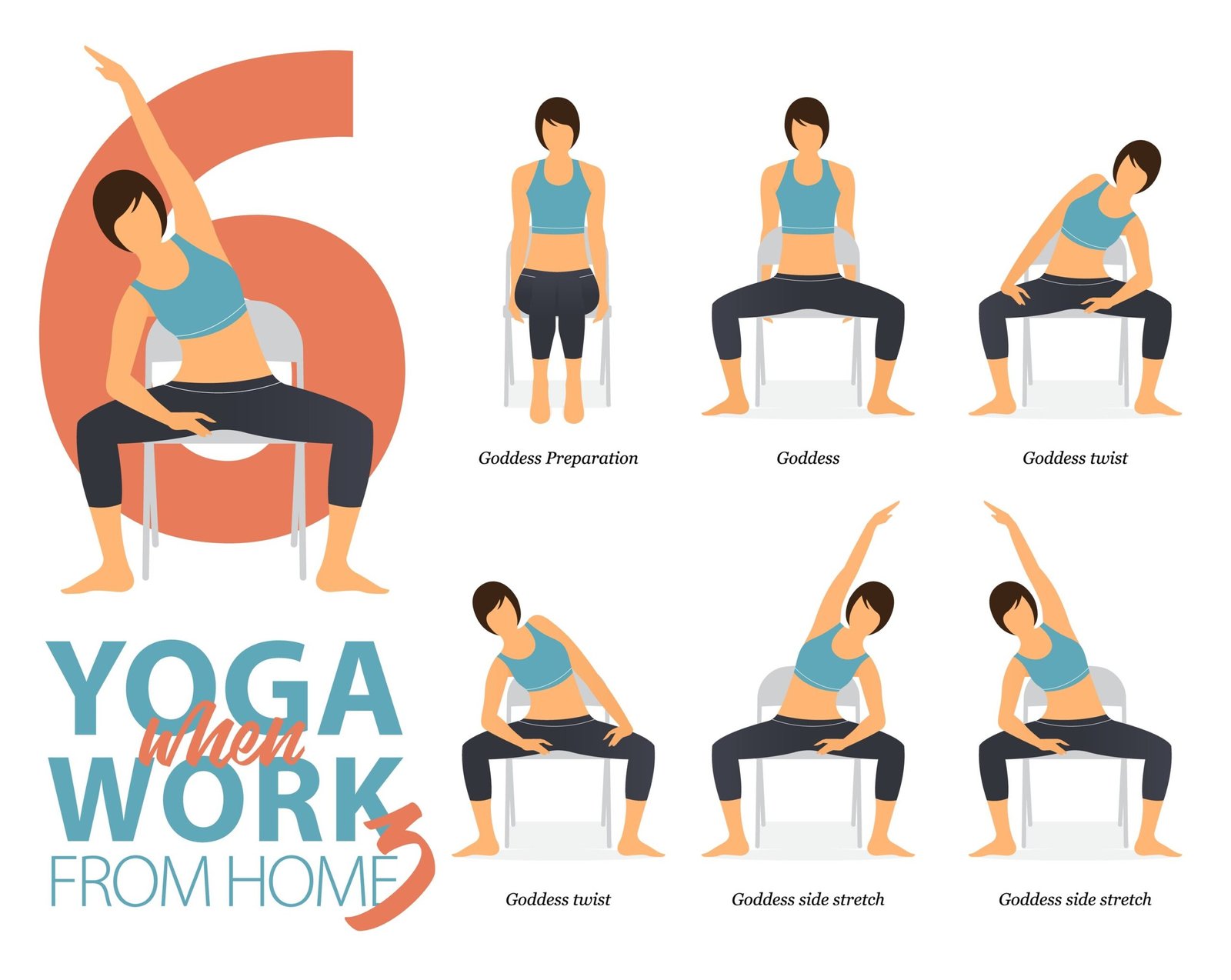
- Water Yoga or Tai Chi: These practices, when adapted for a pool environment, improve flexibility, reduce tension, and enhance relaxation.
Additionally, participating in water-based exercises fosters a sense of community and camaraderie, potentially reducing feelings of isolation. The resistance provided by water also strengthens muscles without the need for additional weights, making it a practical option for seniors with varying fitness levels. By incorporating water-based exercises into their routine, seniors can manage arthritis pain effectively while improving overall mobility and quality of life.
Yoga and Tai Chi for Balance and Stress Reduction
Yoga and Tai Chi are widely recognized as effective exercises for improving balance and reducing stress, making them ideal choices for seniors dealing with arthritis pain. These practices not only help relieve the physical discomfort caused by arthritis but also promote mental well-being. By incorporating slow, deliberate movements and deep breathing techniques, both Yoga and Tai Chi foster relaxation and enhance overall health.
Benefits
- Improved Joint Flexibility: Through gentle stretching and fluid motions, Yoga and Tai Chi help loosen stiff joints, alleviating tension and enhancing mobility.
- Enhanced Balance: Arthritis can affect stability, increasing the risk of falls. The focus on posture and controlled movements in these practices strengthens the body’s core and enhances physical balance.
- Stress Reduction: Stress can exacerbate inflammation and worsen arthritis symptoms. Deep breathing exercises and meditative practices incorporated in Yoga and Tai Chi alleviate stress and promote relaxation.
- Pain Relief: Certain poses and movements target painful areas, stimulating blood flow and reducing chronic pain.
Recommended Styles
For yoga, seniors with arthritis may benefit from gentle yoga styles, such as Hatha Yoga or Adaptive Yoga. These approaches emphasize slow transitions and simple poses tailored to individual capabilities. For Tai Chi, beginners are encouraged to explore Tai Chi for Arthritis or Tai Chi for Fall Prevention, which are specifically designed programs to accommodate participants with mobility limitations.
Safety Tips
- Ensure proper guidance from a certified instructor to prevent injury and maximize benefits.
- Use supportive props such as yoga blocks, straps, or chairs if needed.
- Begin with short sessions and gradually increase the duration as comfort improves.
- Wear comfortable clothing to allow free movement and avoid joint strain.
These practices not only provide physical benefits but also create an uplifting sense of mindfulness and vitality, empowering seniors to confidently manage their arthritis symptoms.
Using Resistance Bands for Controlled Movements
Resistance bands provide a versatile and effective way to support controlled movement and joint stability. Utilizing these bands can aid seniors in improving mobility, reducing stiffness, and alleviating pain associated with arthritis. The bands’ flexibility allows for a range of exercises designed to target various muscle groups without exerting excessive pressure on joints.
Benefits of Resistance Bands for Arthritis Pain
- Low-impact exercises: Resistance bands enable seniors to perform exercises with minimal strain on joints, making them ideal for arthritis management.
- Improved muscle strength: Strengthening surrounding muscles helps stabilize joints affected by arthritis, ultimately reducing discomfort.
- Enhanced range of motion: Regular use promotes mobility and flexibility, which can be compromised by arthritis.
- Customizable resistance levels: Bands come in varying resistance levels, allowing individuals to tailor exercises based on their strength and capability.
Recommended Resistance Band Exercises
Seated Leg Extensions
Sitting on a sturdy chair, loop a resistance band around both ankles. Slowly extend one leg forward against the band’s resistance, then return to the starting position. This exercise targets the quadriceps and supports knee health.Bicep Curls
Secure the band beneath the feet while sitting, and grasp the handles firmly with both hands. Bend the elbows, pulling the band upwards for a controlled bicep curl. This strengthens arm muscles without straining elbow or shoulder joints.Shoulder Raises
Hold a resistance band with both hands in front of the body. Slowly raise the arms against the band’s resistance to shoulder level. This movement enhances flexibility and strength in the shoulder region.Side Steps
Place the band around both legs, just above the knees, in a standing or seated position. Step the legs outward to stretch the band, then bring them back inward. This activity promotes hip joint mobility and relieves tension.
Tips for Using Resistance Bands Correctly
- Maintain proper posture throughout exercises to ensure safe and effective movements.
- Perform each exercise slowly, focusing on controlled stretches rather than abrupt motions.
- Incorporate these exercises into a daily routine to maximize benefits gradually over time.
- Consult a physical therapist or medical professional for exercise modifications tailored to specific needs.
Resistance band workouts empower seniors to manage arthritis pain while supporting overall joint health.
Hand and Finger Exercises to Improve Dexterity
Maintaining hand strength and flexibility is essential for seniors living with arthritis, as these exercises can improve dexterity and reduce stiffness. Regularly engaging in targeted hand and finger exercises can support better joint function and help alleviate associated pain. These exercises may be performed while seated comfortably and can become part of a daily routine.
1. Finger Bends
- Begin by holding one hand out with fingers straight and separated.
- Slowly bend the thumb towards the palm, then return it to the original position.
- Repeat the motion for each finger individually, ensuring full bends without forceful movements.
- Perform this sequence 5–10 times per hand.
2. Fist Stretch
- Start by opening the hand wide, keeping fingers fully extended.
- Gradually close the hand into a loose fist, ensuring the thumb wraps gently across other fingers.
- Squeeze the fist lightly before reopening the hand.
- Repeat the stretch 10–15 times to promote flexibility.
3. Finger Lifts
- Lay the hand flat on a table, palm down.
- One at a time, lift each finger as high as possible without causing discomfort.
- After raising all fingers individually, lift the entire hand slightly off the table for a brief stretch.
- Repeat 8–10 times per hand.
4. Thumb-to-Finger Touch
- Extend the hand with fingers open wide.
- Touch the tip of the thumb to the tip of the index finger, forming an ‘O’ shape.
- Repeat this movement with each finger, ensuring slow and controlled motions.
- Perform this exercise 10–12 times per hand.
5. Ball Squeeze Exercise
- Hold a soft stress ball or sponge in one hand.
- Gently squeeze the ball, holding for 3–5 seconds before releasing.
- Repeat 10–15 times, switching hands after each set of repetitions.
Tips and Precautions
- Ensure a warm-up with mild hand movements before beginning exercises.
- If pain occurs, reduce intensity or frequency.
- Consult a healthcare professional if unsure of limits or specific movements.
These exercises, when conducted regularly, can enhance mobility and offer significant relief from persistent arthritis symptoms. Proactive care fosters improved daily function and comfort.
Post-Exercise Recovery and Tips to Stay Consistent
Managing post-exercise recovery is crucial for seniors to ensure they reap the benefits of physical activity while avoiding injury or overexertion. Arthritis-friendly exercises can be highly beneficial but should be complemented with proper recovery practices to maintain mobility and reduce discomfort.
Effective Post-Exercise Recovery Practices:
- Hydration: Drinking water after exercise helps to replenish fluids lost through sweat and keeps joints lubricated. Proper hydration is especially vital for those with arthritis.
- Stretching: Gentle stretching routines post-exercise can prevent stiffness and promote flexibility. Focus on stretching areas prone to arthritis pain, like hands, knees, or hips.
- Rest: Giving the body time to rest and recover is necessary to avoid fatigue. Alternating active days with rest days can help reduce soreness and inflammation.
- Heat or Cold Therapy: Applying a heating pad to relax muscles or an ice pack to reduce swelling can soothe sore joints effectively.
- Nutrition: Consuming anti-inflammatory foods, such as fish rich in omega-3s and leafy greens, may support joint health while aiding recovery.
Strategies to Stay Consistent:
Remaining consistent with an exercise routine is essential for long-term arthritis pain relief. Seniors can adopt the following approaches to maintain regularity:
- Set Realistic Goals: Starting with small, achievable fitness goals ensures gradual progress without undue strain.
- Reward Progress: Celebrating milestones encourages sustained commitment and provides motivation to continue.
- Create a Schedule: Establishing a dedicated time for physical activity helps build a habit, ensuring consistency becomes effortless.
- Work with a Buddy: Exercising with a friend or joining a group can make the experience enjoyable while fostering accountability.
- Listen to the Body: Recognizing the body’s limits is crucial. If pain or discomfort arises, adjustments to the exercise intensity or type should be made.
- Seek Professional Guidance: Consulting a physical therapist or trainer specialized in senior care can ensure the exercises align safely with individual needs.
Recovery and consistency are paramount for seniors managing arthritis pain. Adopting thoughtful practices ensures exercise continues to alleviate symptoms while improving overall well-being.
When to Consult a Healthcare Professional About Arthritis Exercise
Individuals experiencing arthritis should consider consulting a healthcare professional before starting or modifying any exercise routine. This ensures that the exercises chosen are safe and effective for their specific condition and mobility level. Certain factors necessitate professional guidance to avoid exacerbating pain or causing unnecessary strain.
Situations Requiring Professional Consultation
Several circumstances may warrant a healthcare provider’s advice:
- Severe Pain During Exercise: If someone feels sharp or persistent pain while exercising, it is crucial to determine if the routine is suitable or if modifications are necessary.
- Uncertain Diagnosis: If arthritis symptoms have not been officially diagnosed or the type of arthritis is unclear, a professional should confirm the condition before suggesting exercises.
- Post-Surgical Recovery: Those recovering from joint surgery or replacement need tailored exercises to prevent complications or damage to the healing area.
- Progression of Symptoms: If arthritis symptoms worsen unexpectedly, or if mobility decreases significantly, a physical therapist or doctor can help establish appropriate adjustments.
- Presence of Other Medical Conditions: Those managing additional health concerns, such as cardiovascular issues or diabetes, may require specialized routines to address overall health while protecting arthritic joints.
Benefits of Professional Input
Seeking advice from medical experts, such as physiotherapists or rheumatologists, can provide clarity and confidence in managing arthritis through exercise. Experts can create personalized plans that take into account joint limitations, severity of arthritis, and current fitness levels. Additionally, healthcare providers can monitor progress and recommend gradual modifications to maintain safety and effectiveness.
Communication Tips
During consultations, individuals should describe the type of arthritis they have, outline their exercise goals, and share any history of injuries or treatments. Open communication ensures that healthcare professionals can provide tailored advice.