The Holistic Connection Between Senior Brain Health and Nutrition
Brain health for seniors
The New Science of Aging Gracefully
For decades, we believed that cognitive decline was an inevitable part of growing older. We thought the brain was a “static” organ that simply wore out over time. Modern neuroscience has proven this wrong. Through a process called neuroplasticity, the brain can continue to form new neural connections well into our 80s and 90s. However, this doesn’t happen by accident. To optimize brain health for seniors, we must look at the body as a whole system.
In this guide, we will explore the three pillars of a sharp mind: specific physical movement, targeted nutrition, and the biological “why” behind these lifestyle choices.
Pillar 1: How Movement Enhances Cognitive Health
It may seem counterintuitive that moving your legs can help your memory, but the biological link is undeniable. When we engage in physical activity, the body produces a protein called Brain-Derived Neurotrophic Factor (BDNF). Scientists often refer to BDNF as “Miracle-Gro” for the brain. It nurtures existing neurons and encourages the growth of new ones.
Our research into how movement enhances cognitive health shows that even low-impact activity can increase the size of the hippocampus, the area of the brain responsible for verbal memory and learning. This is particularly vital for seniors who are concerned about early-stage dementia or general “brain fog.”
Pillar 2: Why Exercising is Essential for Mental Clarity
Beyond just “growing” the brain, we have to look at the immediate chemical benefits of activity. Exercise regulates cortisol (the stress hormone) and boosts endorphins. For a senior living alone or dealing with chronic pain, these chemical shifts are the difference between a day of depression and a day of productivity.
When we discuss why exercising is essential, we aren’t just talking about muscles. We are talking about the vascular system. The brain consumes about 20% of the body’s oxygen. If your heart is weak, your brain is starved. Strengthening the cardiovascular system through senior-specific training ensures a steady, rich supply of oxygenated blood to the prefrontal cortex.
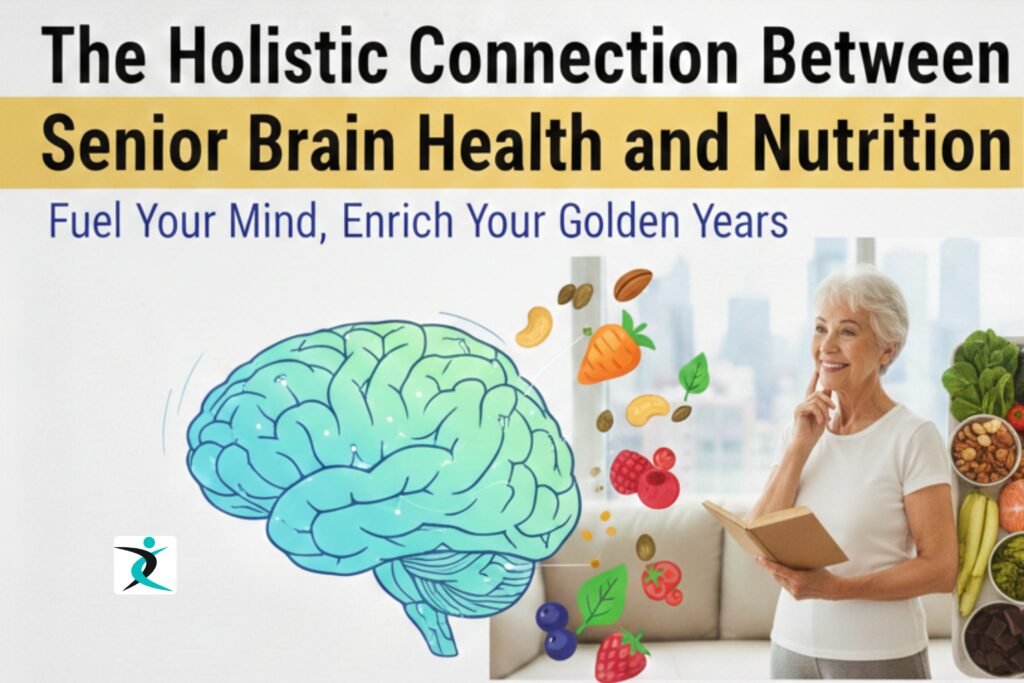
Pillar 3: The “Fuel” – 5 Superfoods Every Senior Should Eat
You cannot out-train a poor diet, especially when it comes to the brain. The brain is the most “expensive” organ to maintain. It requires specific fats, antioxidants, and vitamins to prevent oxidative stress.
In our breakdown of the 5 superfoods every senior should eat, we prioritize:
Blueberries: Packed with anthocyanins that have anti-inflammatory effects.
Fatty Fish: Rich in Omega-3s, which are the building blocks of brain cells.
Leafy Greens: High in Vitamin K and Lutein.
Walnuts: Known for improving cognitive performance in older adults.
Turmeric: Contains curcumin, which crosses the blood-brain barrier and has been linked to clearing amyloid plaques.
The Synergy: Combining Nutrition and Movement
The magic happens when you combine these two pillars. Imagine eating a meal rich in Omega-3s and then engaging in a 30-minute mobility session. You are providing the brain with the raw materials it needs (nutrition) and then triggering the signal to use those materials (exercise).
This is the cornerstone of brain health for seniors. It is not enough to just do crosswords; you must move. It is not enough to just walk; you must eat for your neurons.
Deep Dive: Preventing Cognitive Decline through Routine
Consistency is the enemy of atrophy. For many of our clients in the GTA, we establish a “Cognitive Morning Routine.” This includes:
Hydration: The brain is 75% water. Dehydration is a leading cause of temporary memory loss in the elderly.
Sunlight: Essential for Vitamin D and circadian rhythm regulation.
Complex Movement: Using our Web Stories as a guide, we perform movements that cross the “midline” of the body, forcing the left and right hemispheres of the brain to communicate.
Addressing the “Orphan” Concerns: Safety and Resources
We often hear from seniors who are afraid to start. They worry that their physical limitations prevent them from achieving these cognitive benefits. This is why we created our all fitness resources library. It provides scaled versions of every exercise, ensuring that even those with limited mobility can participate in the “Brain-Body” revolution.
If you are a caregiver looking to support a loved one’s brain health for seniors, remember that the best time to start was ten years ago, but the second best time is today. You can use our Client Referrals Form to get a professional assessment of how we can integrate these cognitive strategies into a home-based fitness plan.
Conclusion: A Future of Clarity
Aging does not have to mean losing your “self.” By understanding brain health for seniors as a combination of blood flow, neurobiology, and cellular nutrition, you take the power back. You are not just a passenger in your aging process; you are the pilot.
Check our Locations to see where our specialists are available to help you build your custom brain-health roadmap.
Technical Breakdown & External Links
The Fisher Center for Alzheimer’s Research Foundation – Exploration of the latest dementia research.
PubMed: Effects of Physical Exercise on Cognitive Functioning – Peer-reviewed study on senior neuroplasticity.